Big Bend National Park

I am originally from Texas, but moved away in 2003. Last year we returned to live in Texas, so we decided to go to Big Bend National Park over my Spring Break. With some reports of the Covid-19 contagion coming in, we decided to pack our own food for the trip and to camp, so as to be able to isolate ourselves as much as possible. We left the Austin area and drove across the beautiful central hill country, where the sides of the highways and byways are carpeted with bluebonnets during the month of March.
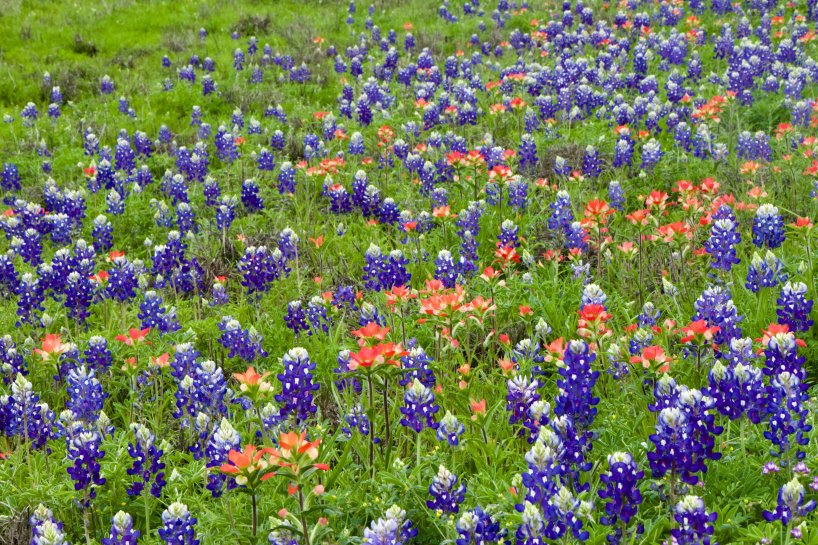
Ever since Lady Bird Johnson was First Lady, the Texas Department of Transportation has sown more than 30,000 pounds of bluebonnet seeds around the state annually.

Before entering Big Bend, we took a spin around the town of Marfa, a place I had heard of (due to the mysterious “Marfa lights” and also from their reputation as a Bohemian artists’ colony). I wish we could have stayed in town and eaten there, but we were already heeding warnings to not bring any outside germs into small rural communities so we just did a pass through.

With a population of only 1800, you stand a good chance of exploring all of Marfa in a long weekend. Keep an eye out for celebs like Matthew McConaughey

We spent the first day at Big Bend driving the scenic Maxwell Drive, which is essentially the west half of the park. We headed all the way to the Mexican border, where we hiked into the Santa Elena Canyon, fording an off-shoot of the Rio Grande River. The area was busy with hikers and kayakers, but people were staying a fair distance apart. The amazing effects of the eroding power of water were on full display in the canyon, with 1500 foot towering cliffs on either side of us.

Santa Elena Canyon
Chris hiking up the Santa Elena Canyon
Deah fording an offshoot of the Rio Grande to get to the Santa Elena Canyon viewpoint

Later, we drove the Chisos Basin drive. It was approaching sunset and there were some beautiful views. On the way out of that area, we spotted a coyote and were able to snap a pic. We also spotted some golden eagles flying around and Chris got a nice shot of those.
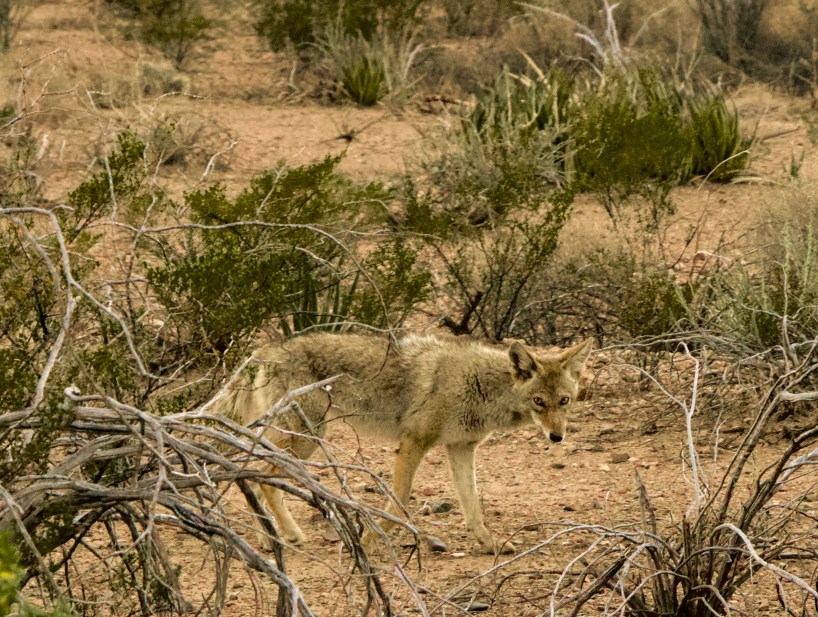
Spotting the wildlife around the park
A Golden Eagle

We camped near the ghost town of Terlingua. There are a number of cabin rentals, small hotels, bars, and restaurants there. Of course, they are most famous for their annual chili cook off in November. We had our own dinner to cook at our campsite so we just took a drive through town to see the dusty sights.
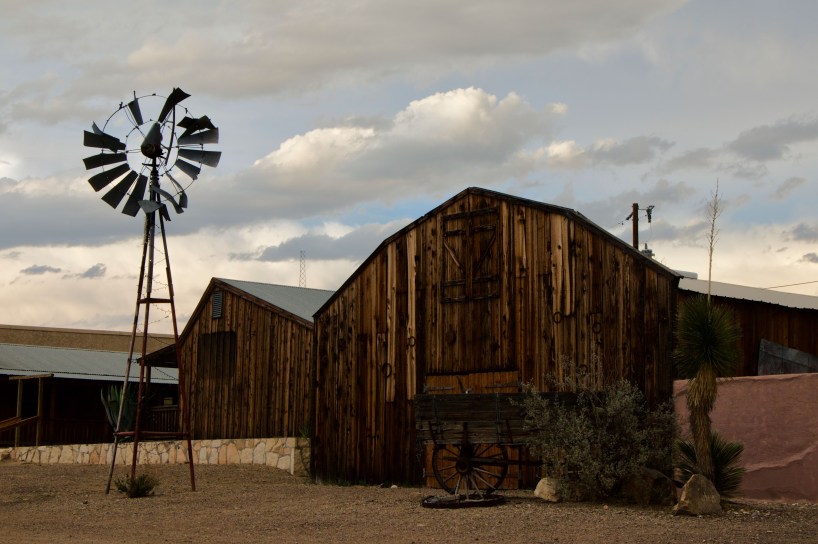
Terlingua: population 2,000 but this small town swells to over 10,000 annually with the chili cookoff
High on a hill overlooking the road into Terlingua

The next day we explored the eastern half of Big Bend. We made up a breakfast at the picnic tables at Dugout Wells. There we encountered a woman waiting for a scheduled ranger talk, but soon found out that the visitor’s center had been closed and all ranger talks and guided walks were canceled for the time being (campgrounds still open for the week). We continued our drive all the way to the eastern end of the park, to the Rio Grande Village, and hiked a bit into the Boquillas Canyon. Along the way, we saw small homemade souvenir “caches” of trinkets made by residents of the village of Boquilla, Mexico (you can leave the money in a jar and they come collect it later). We were serenaded across the border river by a man with a wonderful singing voice, his song echoing across the canyon. In normal operating times, if you bring your passport (kids just need a birth certificate or proof of citizenship) you can cross the river at Boquillas Crossing ($5 rowboat round trip) and have lunch and explore the small Mexican village. However, the crossing was closed this week.

A small souvenir stand
Recent rains had the cacti in full bloom while we were there

Along the southeastern edge of the park, we were able to hike to and enjoy a hot springs. Many years ago there were actually cotton plantations in this area, with dozens of workers and a somewhat-thriving industry. In fact, in the 1860s they even imported 30 camels and their handlers from North Africa to use to explore and patrol the area!

A hot springs built on the sides of the Rio Grande River

With more and more dire news coming in every time we stopped to check messages, we decided to cut our trip short and head home. We made one final stop on our way out of the park at the Fossil Discovery Exhibit (built in 2017), where some of the largest fossil finds in the US have occurred. Over 1200 fossils spanning 130 million years of geohistory have been found there. You can see a replica of some of the largest dinosaurs that ever existed, such as the Tyrannosaurus Rex, the Deinosuchus (an alligatoroid bigger than a school bus!), and the Quetzalcoatlus northropi (the largest flying creature). Fossil finds from all three giants have been found in the park’s perimeter.
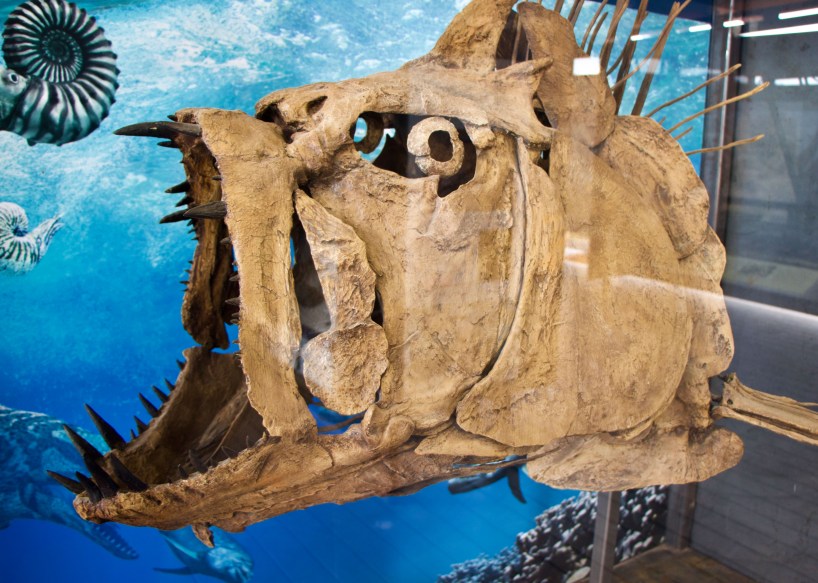
Xiphactinus, a giant spiny fish from the Late Cretaceous Era

We exited the park via the Persimmon Gap entrance, and spent one more night in the area, and drove home the next day. The bluebonnets, Indian paintbrushes, and other wildflowers were a welcome sight to us as we headed home to make a decision about Chris’s Pacific Crest Trail hike plans.
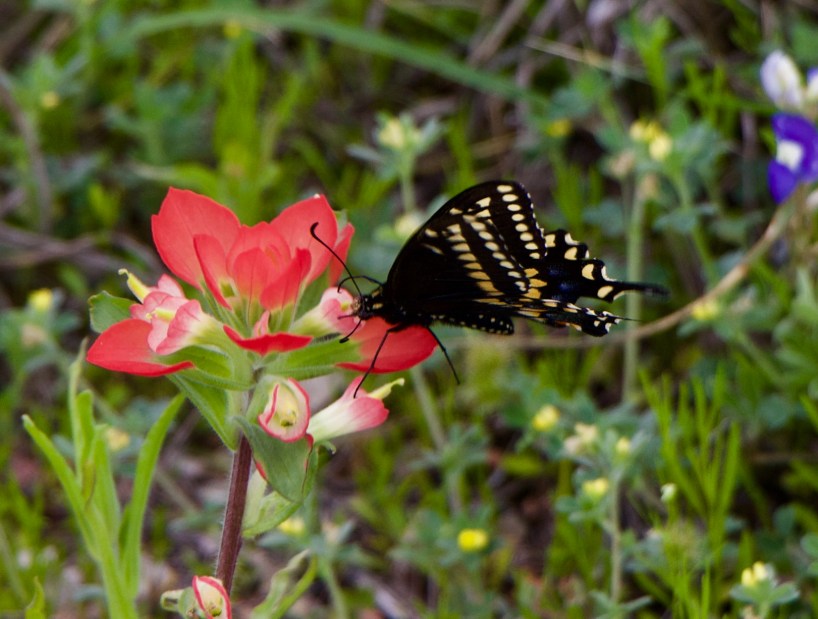
A butterfly does his thing


Feeling Terrific in the Pacific

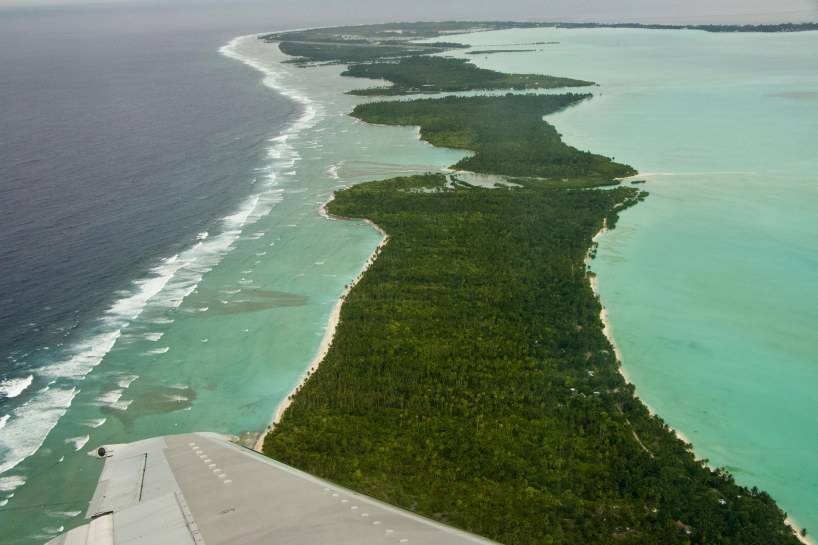
Blue Pacific Ocean waves crashing near Abaiang Island Kiribati

*****Guest post by Chris******

After “settling down” in Austin and spending way too much time at Home Depot, I wanted to travel again.  Deah was busy with her new job, but suggested I go solo on the condition that I write a guest blog-post.  I’m no Shakespeare, but ventured out regardless for a three week Pacific trip to Marshall Islands, Nauru, and Kiribati.

I spent several days on Majuro Atoll, Marshall Islands on both ends of the trip. It’s accessible via the United Airline island hopper flight starting in Honolulu. Due to the Compact of Free Association with the USA, Majuro has a somewhat American feel to it; brands, beers, T-shirts, people with relatives in the States, etc. It’s a long, skinny island, but easy to get around by frequent taxis and infrequent buses.

The international airport of Majuro, Marshall Islands. Tiny place but has a cafe, bar, wifi, etc.
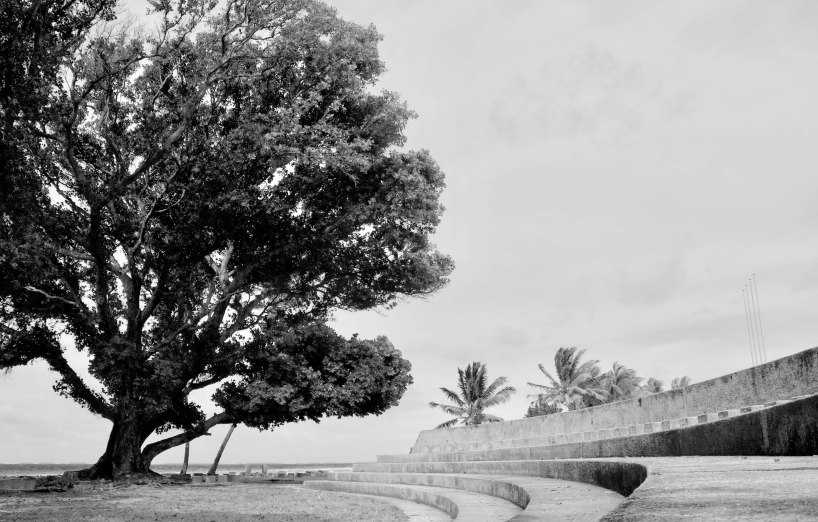
The Peace Park build by the Japanese and Marshallese governments commemorates all those killed in the Pacific during World War II. About 30 minutes by car from Majuro.
This guy (?) was about the size of my little fingernail. There were lots of critters on the reef that were easy to see by walking out during low tide.
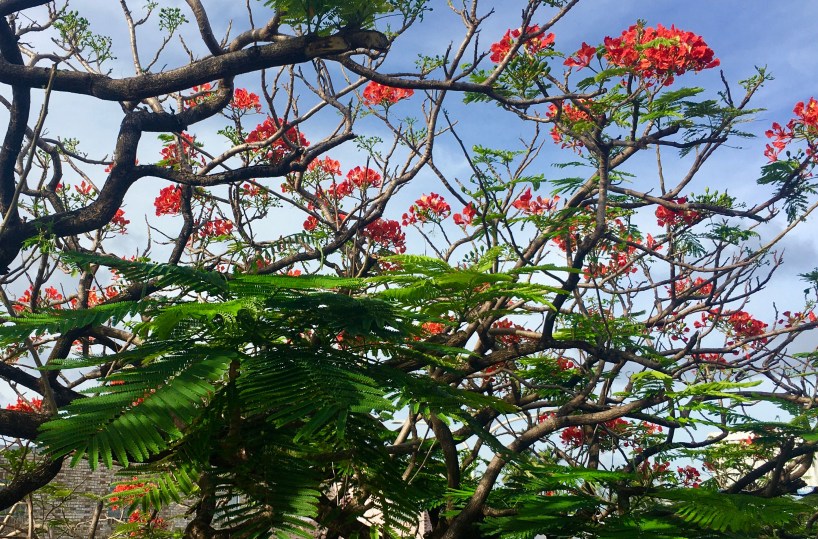
A “flame tree” outside the Flame Tree Restaurant.

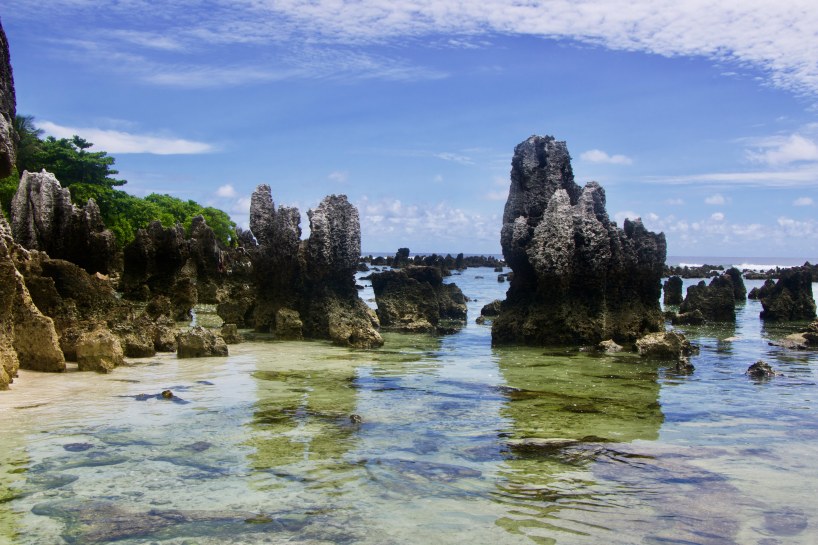
After a Nauru Airlines flight delay of 48 hours, I arrived in Nauru; an island nation that used to be one of the world’s richest per capita, but is unfortunately now one of the poorest.  This change was due to over-exploitation of massive phosphate deposits by foreign countries and later Nauru itself.  The removal of the phosphate left a lot of coral pinnacle formations.  It only takes about three hours to hike around the entire country; four if it’s really hot and you stop for the occasional beer or dip in the ocean. 

Welcome to Nauru. This is the entire country.
Coral pinnacle formations.
Cantilever used to load and unload ships. Currently ships can’t get closer than the edge of the reef. There is a quay under construction.
Weightlifting is popular for both women and men on Nauru.
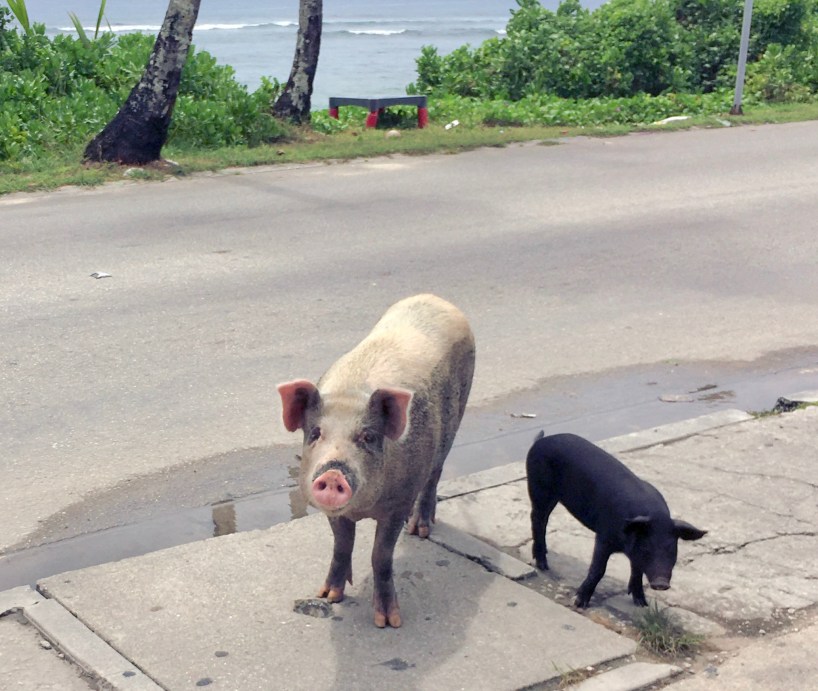
Weightlifters need loads of protein, so these little piggies better be careful.
Engine from a phosphate train on display outside of a tiny museum on Nauru’s history.

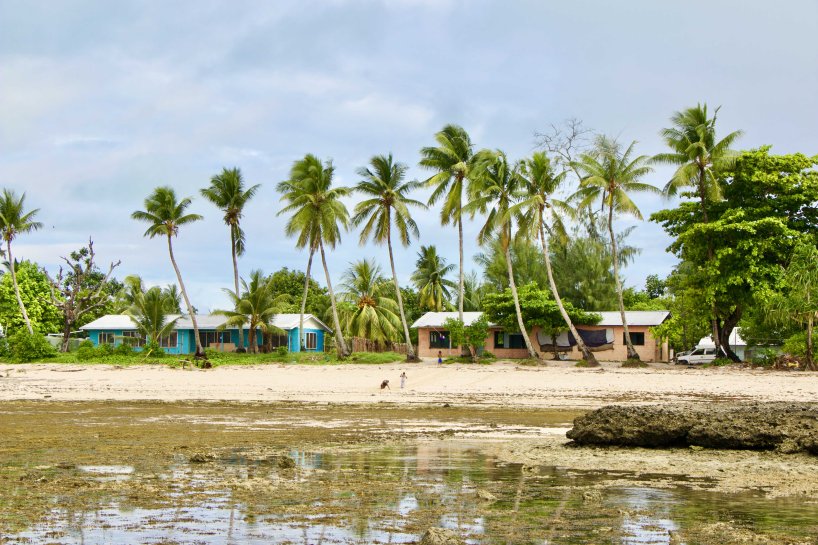
Next up was Kiribati; one of the world’s smallest countries by landmass, yet one of the largest by sea territory.  I visited two islands; Tarawa and Abaiang.  South Tarawa was full of small villages and towns, busy, and easy to get around in by mini bus. One of the main Tarawa attractions is the World War II battle site and its Japanese coastal guns and bunkers. Abaiang was less developed, rustic, and more laid back. I got there and back by two-hour boat ride, but there is a occasional plane option. Both islands had lots of places to swim (high tide) and walk out to look for various critters (low tide). The Kiribati people I met were all friendly and helpful. I enjoyed both islands.

Blue on the ocean side and green on the lagoon side of Tarawa atoll, Kiribati.
Japanese gun and bunkers left over from the World War II battle of Tarawa.
Looking back at Tarawa during low tide.
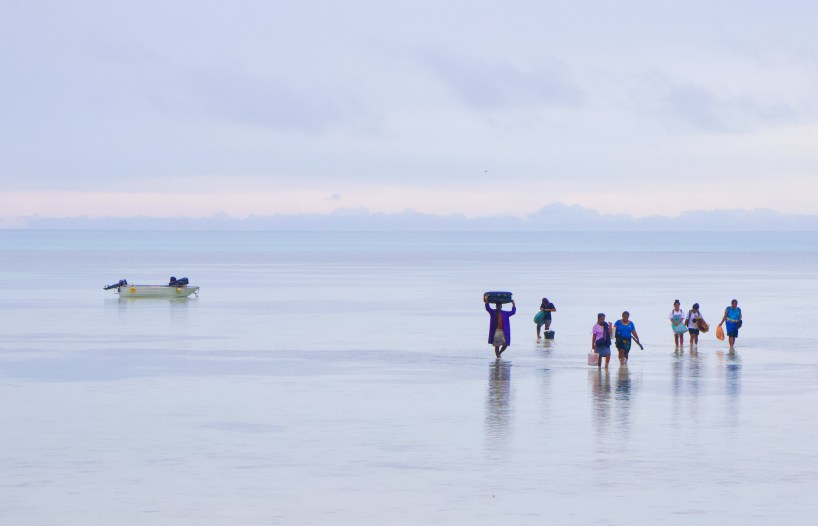
Passengers first ride a 25-passenger boat from Tarawa, then transfer in groups to a tiny motorboat, and finally walk through the swallow water to arrive to Abaiang atoll.

All in all it was a fun trip to three countries with three distinct personalities. The most challenging parts were getting a Nauru visa and scheduling flights. The best part was meeting lots of really friendly people in a relaxing part of the world.

Christmas on the Coast: the Gulf Seashores of Mississippi

If you’re dreaming of a white Christmas, but don’t like snow- then I suggest a trip to the US Gulf Coast. Stretching from Florida to Texas, the white sand beaches and quaint coastal towns, coupled with 70 degree days, are a delight in the off-peak winter months.

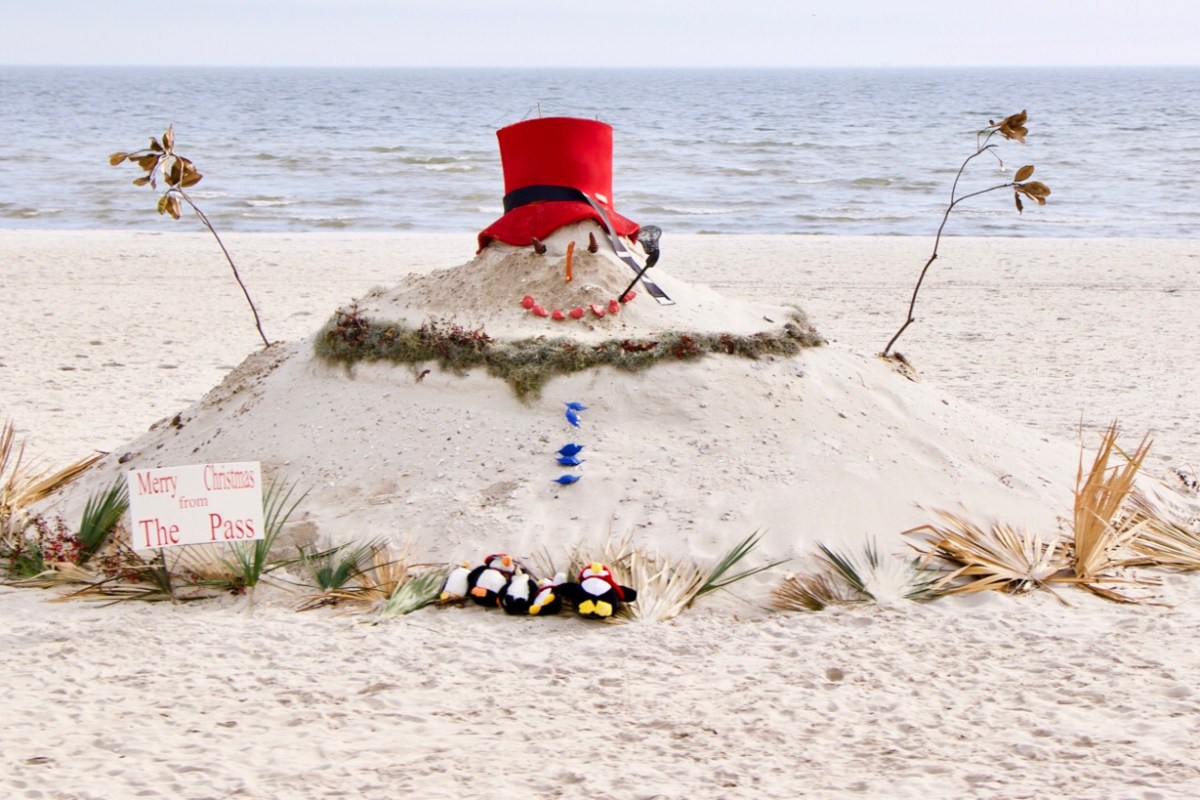
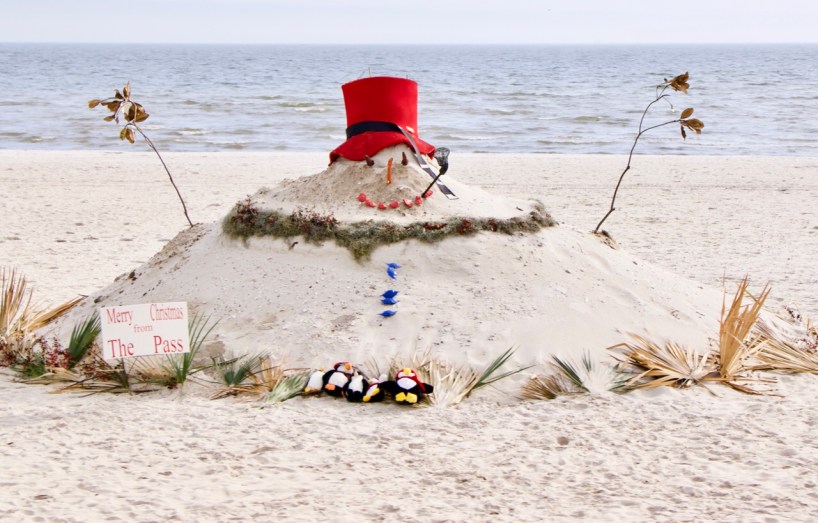
A “sandman” greets us at Christian Pass, Mississippi

The Gulf Coast isn’t complete without a ‘Pascagoula Run’, so avoid I-10 and take Highway 90 instead to Pascagoula. Are you a Parrothead? Look for the Buffet Bridge near Buffet Beach, a 2015 honor for local-boy-made-good Continue reading “Christmas on the Coast: the Gulf Seashores of Mississippi”

Housesitting in Monterrey, Mexico

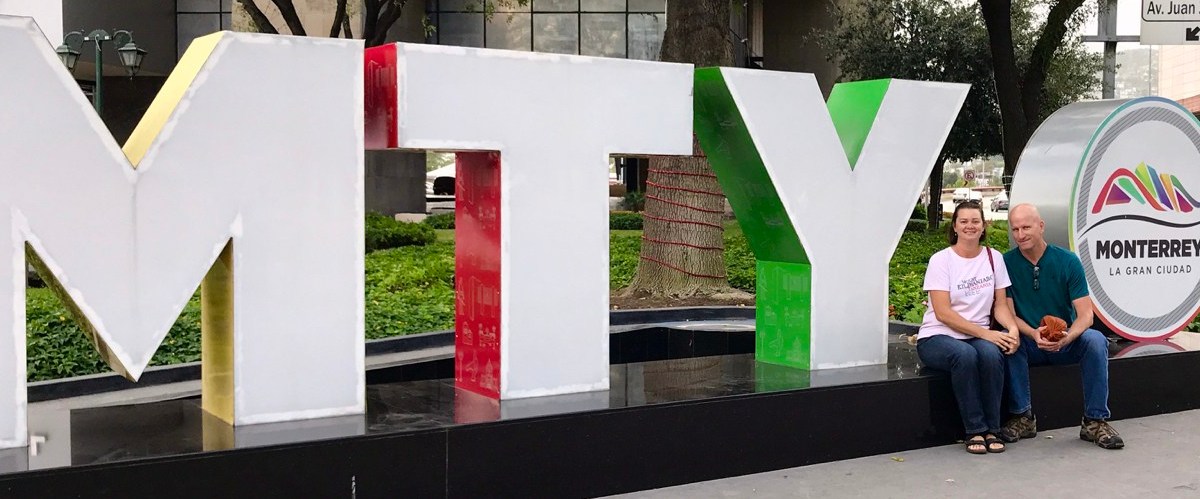
Deah and Chris in Monterrey Mexico

For Thanksgiving week, Chris and I got to experience travel with a twist: we went as certified housesitters and cared for a cat while her owner was away. We’ve been members of the website Trusted Housesitters for a year now, and we finally found a gig that would match up with our schedule, plus a place we wanted to visit.

Although we could have flown from our home airport of Austin, there were cheaper and more direct flights from Continue reading “Housesitting in Monterrey, Mexico”

Volunteering for Hurricane Relief Efforts in the Bahamas

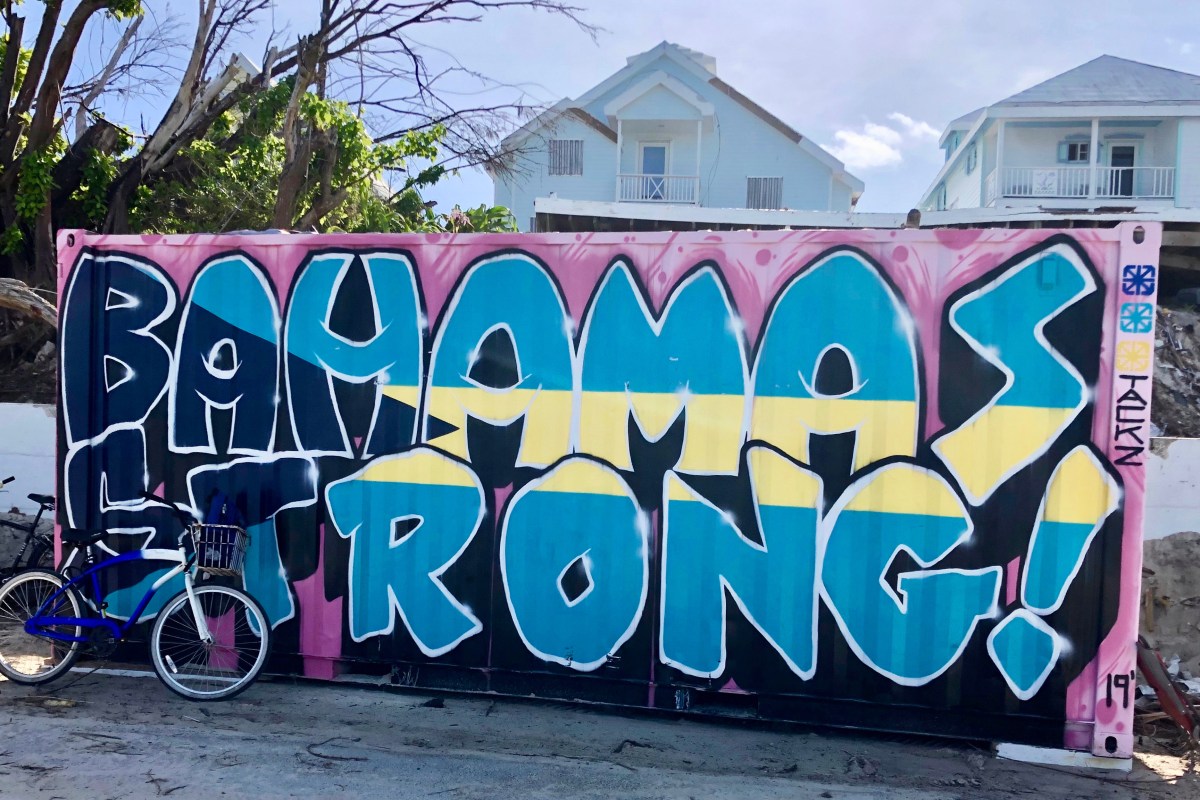
Bahamas Strong

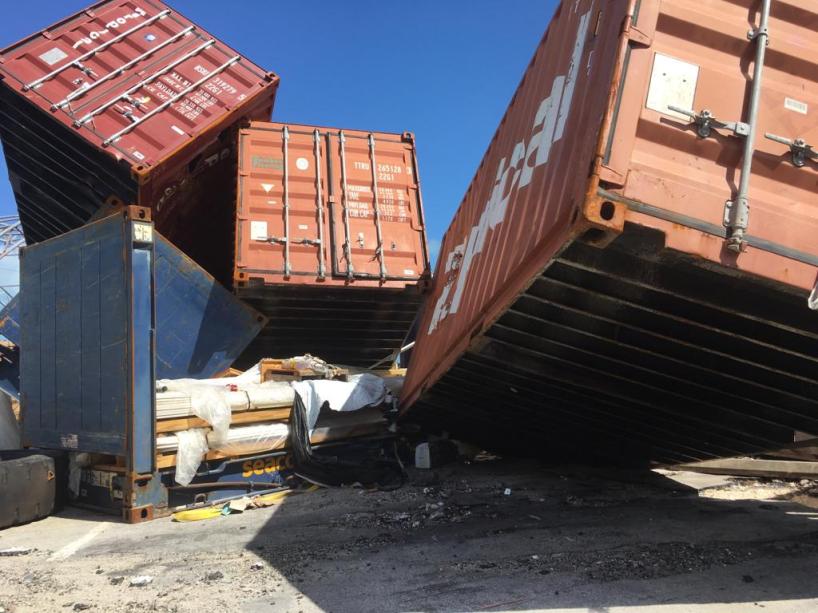
On September 1st 2019, a category five hurricane passed through the northern Bahamas. For 24 hours, the hurricane- the strongest to EVER hit landfall there- stalled out over Abaco Island in particular, pummeling the island with 185 mile-per-hour winds and a 25 foot storm surge. By the time the hurricane passed on to other parts of the Bahamas, more than 80% of the buildings on Abaco Island were damaged. An untold number of lives were lost- as much as 25% of the population of Abaco are Haitian refugees, who are not counted by the Bahamian government- and an estimated $3 billion of infrastructure was damaged.

Homes, cars, shipping containers, and boats were tossed around in the storm


An organization I volunteer with, Team Rubicon, was one of the first Continue reading “Volunteering for Hurricane Relief Efforts in the Bahamas”