From Hope to Hot Springs

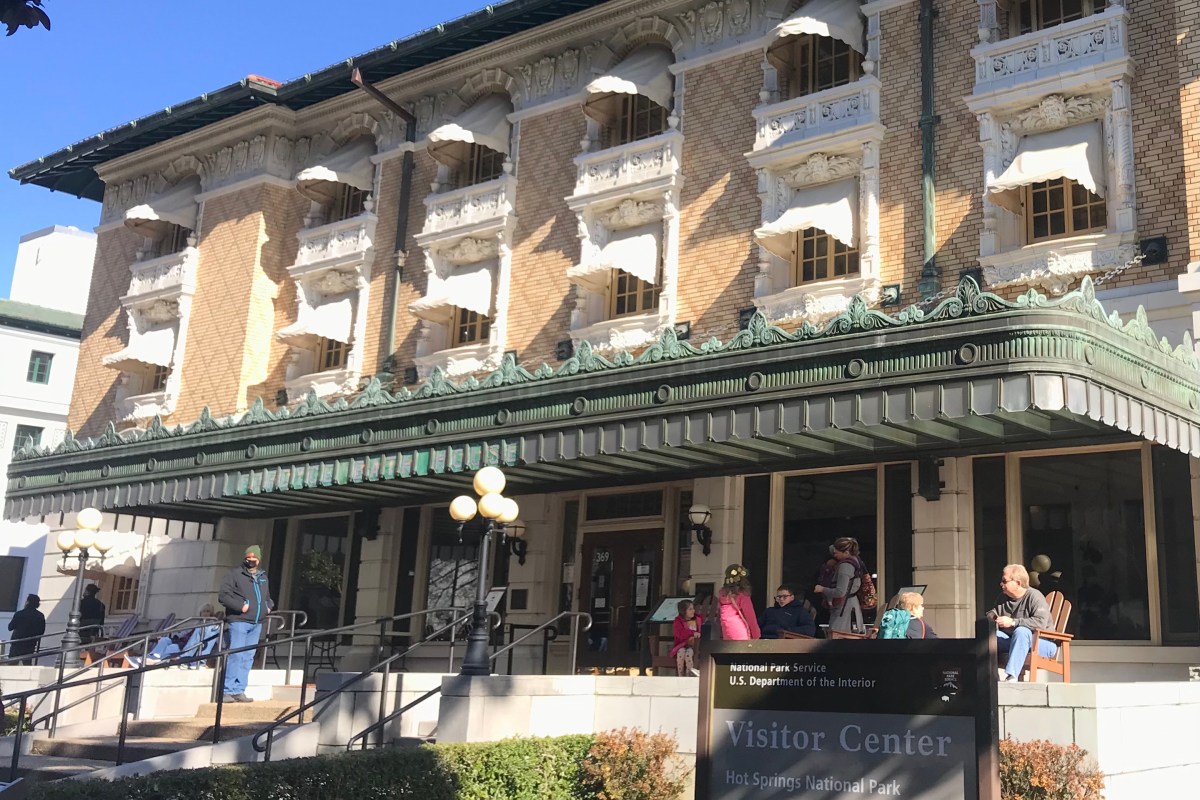
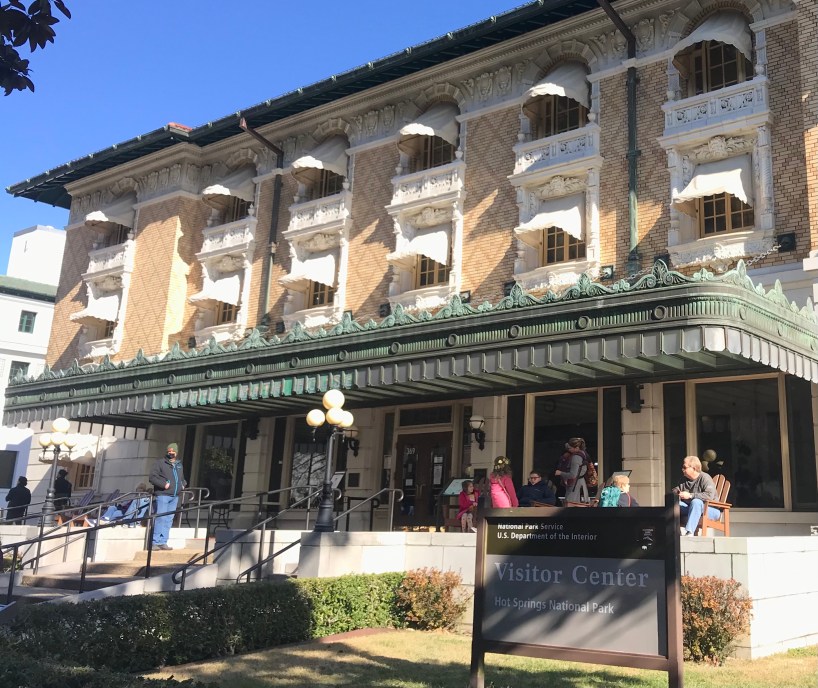
Hot Springs Arkansas National Park Visitor Center

Anyone who has been to Texas can tell you that it’s hard to road-trip out of this state- in some directions you can drive for 10 hours and still be in Texas! For our long MLK weekend we were looking for a road trip to a place we hadn’t been to, out of Texas, and on the way to DC. Bonus points if we could tag a national park! We settled on Hot Springs, Arkansas.

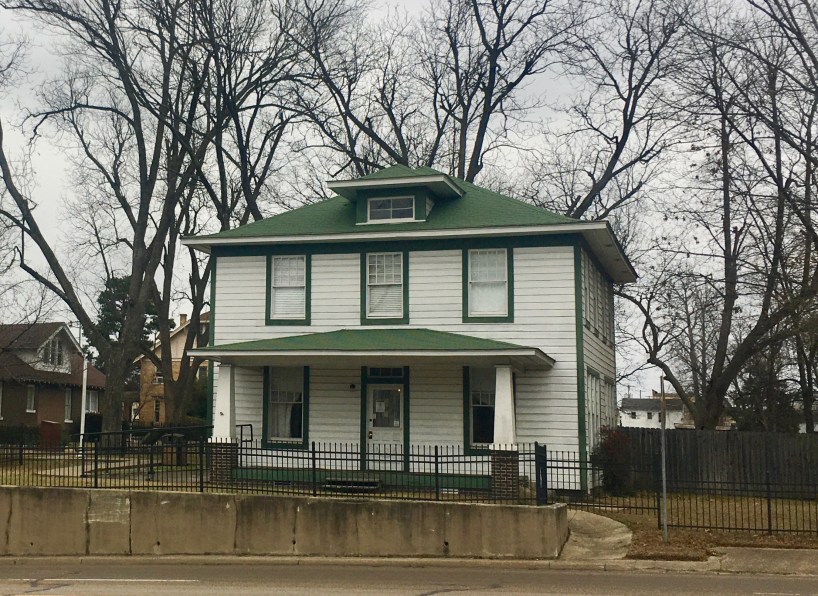
After an overnight visit with friends in DFW (thanks Ken and Kristina for the hospitality!), we drove to Hope, Arkansas- which is the birthplace of our 42nd president, Bill Clinton. His childhood home, where he lived with his mother and grandparents for his early years, has been preserved by the National Park Service, and is open to visitors daily, with a tour every hour.

Birthplace of William Jefferson Clinton

From Hope, it was just a couple more hours driving to get to Hot Springs, Arkansas. A light snow was falling, and the visitor’s center was about to close, so we popped in quickly to get some info about the area (visitor’s centers staff always have great suggestions). We had dinner at Picante’s Mexican Grill and then checked into our motel for the night, Dame Fortune’s Cottages (yes, I picked it solely for the name).

Formerly Fordyce Bathhouse (est.1915), now the Hot Springs National Park Visitor Center

The next morning, we were up early to get in line at the public bathhouse. As of January 2022, the only open bathhouse is the Quapaw, which dates back to 1922. Visitors can book for private baths, massages, and other spa services, or for $20, can access their four public thermal pools, each at a different temperature. The thermal waters that flow into the Hot Springs area have been carbon-dated back to 4000 years ago- meaning that, the waters we were bathing in there had fallen as rain in 2000 BC- as old as the pyramids in Egypt. The water is high in minerals such as silica, calcium, magnesium, free carbon dioxide, bicarbonate, and sulfate. For centuries, these waters have been famed for their healing properties. If you do visit the Quapaw, be sure to bring your own shower shoes, and get there early- they do not take reservations for the public pools- and they are closed on Tuesdays.

Chris and Deah, inside the Quapaw Bathhouse

After spending a couple of hours in the baths, we showered, dressed, and got ready to explore the rest of the town. First off, a fabulous lunch and craft beers at Superior Brewery, formerly Superior Bathhouse. The main street of the town of Hot Springs is also the national park- in fact, it is the first national lands set aside in the United States (not to be confused with Yellowstone, which sometimes claims that title). The waters and area around Hot Springs were designated national lands as far back as 1832, when President Andrew Jackson set aside the lands as a public reservation. It wasn’t until 1872 that the area really came under the jurisdiction of the Department of the Interior, and by then, several families and businesses had settled and built structures there. After several fires in the wooden bathhouses, the row of Victorian, fire-resistant brick buildings that we see today were built between 1912 and 1932. In 1921, Hot Springs officially became our 18th National Park.

The Quapaw Bathhouse, est. 1922

The row of bathhouses thrived during the first half of the 20th century, but by the 1950s, many of the buildings were in decline. Every one of them except the Buckstaff (still in existence but temporarily closed due to Covid) had closed by 1985. A campaign started to revitalize the area, and various other businesses were allowed to purchase and marginally renovate the eight Victorian bathhouses along Bathtub Row. Now, the buildings have been repurposed into Superior Brewery, the Hale Hotel, the Maurice Bathhouse (currently vacant and available for leasing), the Fordyce, which is now the park’s official visitor’s center, the Quapaw Bathhouse, the Ozark, which houses the Hot Springs National Park Cultural Center, and the Buckstaff. The last building on Bathtub Row, the Lamar Bathhouse, includes a small national parks store, as well as a research library and the park archives.

Buckstaff Baths (est 1912)
Superior Baths (1916)- now Superior Brewery

The National Park’s Visitor Center, housed in the old Fordyce Bathhouse, is definitely worth a visit. All three floors are open to visitors, and you can see the old changing rooms, gymnasium, baths, massage rooms, and resting rooms that the clients of the bathhouse using in the Roaring 20’s. If you go down to the basement, you can see where the hot spring actually comes out of the ground. Original Art Deco stained glass windows and other embellishments are still in most of the buildings along Bathtub Row.

The gymnasium at the Fordyce- available to male clients only when it was open
Fountains, marble dressing rooms, and stained glass windows added luxury to the services

After visiting the town of Hot Springs, and driving out into the park a little- the Hot Springs Mountain Tower has an observation deck from which you can view the surrounding valleys- we wended our way toward Little Rock. I needed to catch a flight back home, while Chris needed to keep driving to DC. We stopped at the Little Rock Central High School National Historic Site and learned about the civil rights events of 1957. The school is still a functioning high school, and there is a Visitor’s Center across the street with videos, images, and articles about the turbulent fight to desegregate schools in the south. If you’re in Little Rock, I definitely suggest you spent a couple of hours here. It was the perfect way to end our 3-day weekend and think about the legacy of Martin Luther King, Jr, and other civil rights activists.

Little Rock Central High School National Historic Site
Little Rock Central High School

Christmas in Puerto Rico

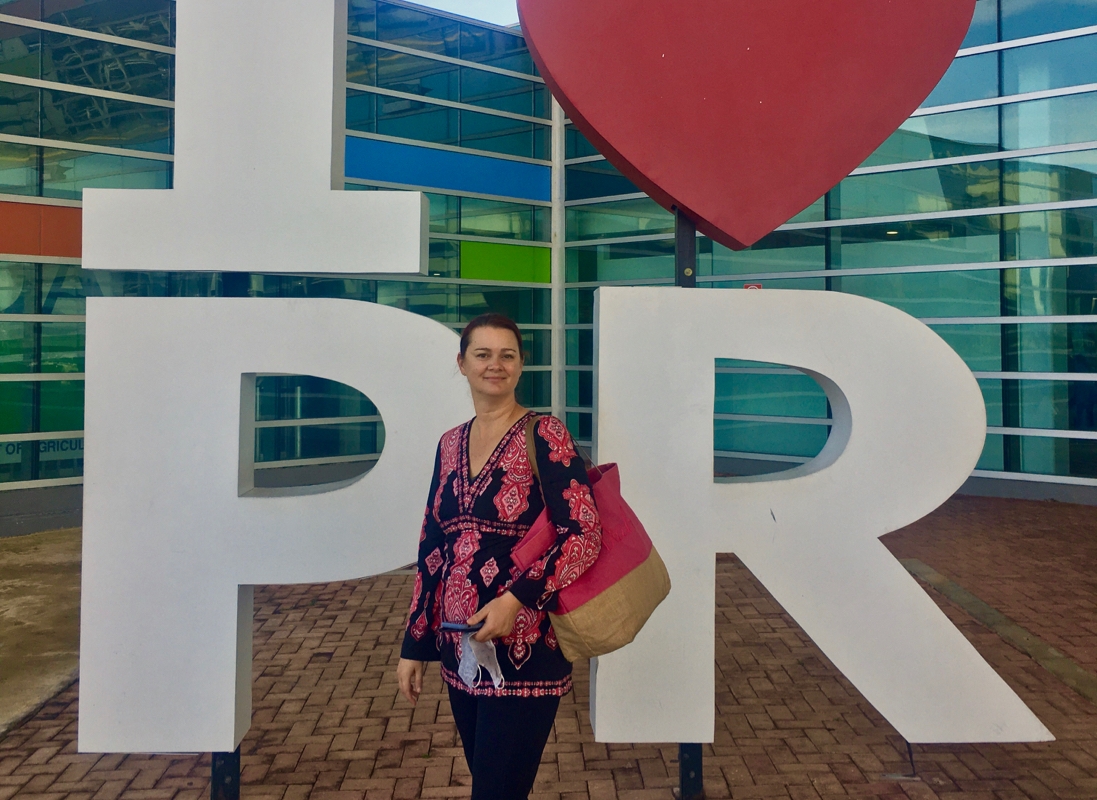
I heart Puerto Rico

With ever-changing airline restrictions and countries closing their borders due to Covid, we decided to play it safe and travel mostly domestically for the time being. For our winter holiday, we chose to fly to Puerto Rico, which, being technically part of the United States, meant that we wouldn’t have to worry about finding and taking a Covid test to arrive or to return back to the US.

Old San Juan

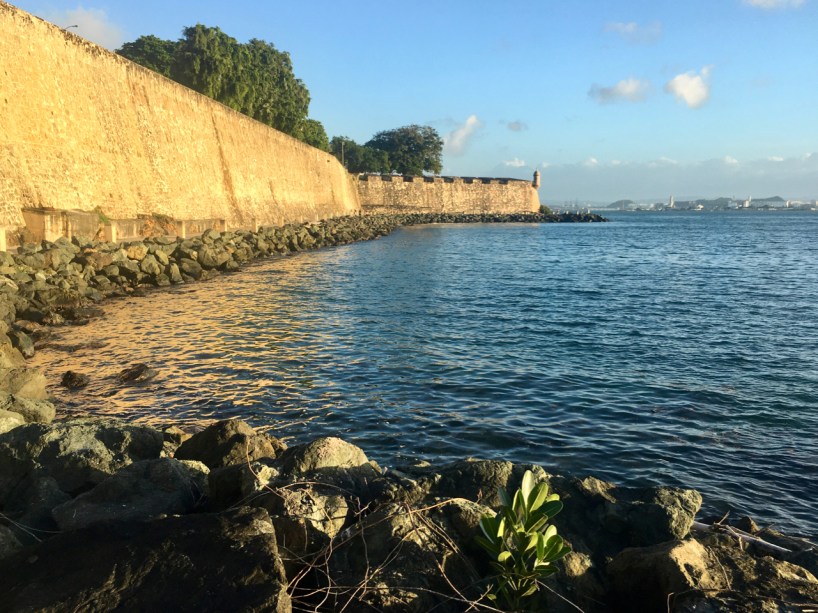
We spent the first few days in Old San Juan, enjoying colonial-style architecture, rich history, and delicious food. Between a walking tour of the small old-town area, and the two remaining fortresses, we learned a lot about the explorers, pirates, traders, and soldiers who have made San Juan their home over the past five centuries.

A view of El Morro, the San Juan defensive fortress, from the waterline
Old San Juan, the colonial cemetery, and new(er) San Juan in the background
The flags of Puerto Rico, the United States, and the Cross of Bergundy (flown over forts built by Spain)

Favorite dish in old San Juan: the Puerto Rican Sampler at Deaverdura

Where we stayed: Hotel Casablanca (which features 4 stone bath tubs on the roof terrace)

Fajardo

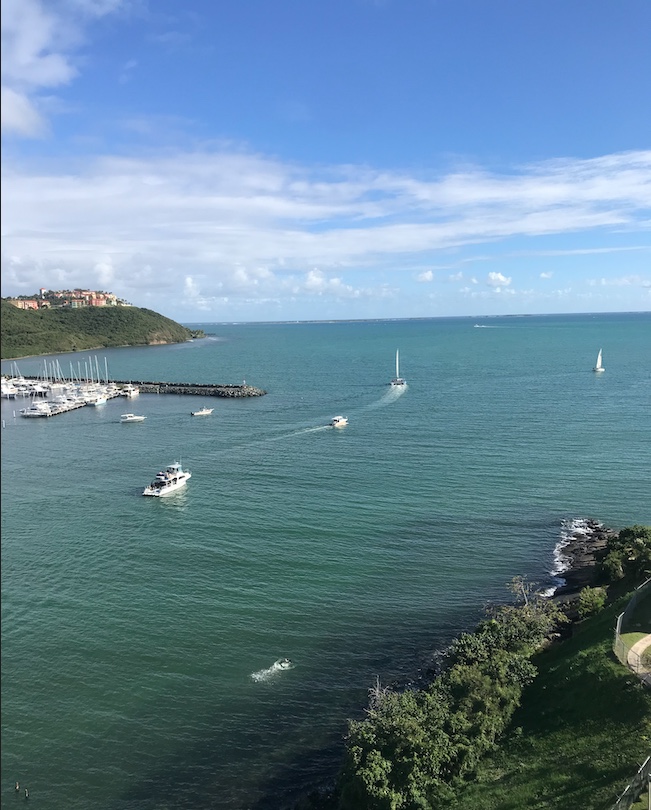
From Old San Juan, we took an Uber to the outskirts of Fajardo, a smallish town on the east coast of the island. We stayed at a high rise condo just beside a marina, and attempted to do something we rarely do: nothing. Our condo was a mile away from the nearest restaurant or small market, and two miles from the nearest grocery store. We loaded up on some provisions, had a delicious mofongo dinner out the first night, and then hunkered down for a few days. We did wind up booking a scuba diving excursion for Christmas Day, but other than that, we stayed put and watched the sea birds, the boats, and the water from our 9th-floor balcony.

Watching the boats in our harbor
A Merry Scuba Christmas!

Favorite dish in Fajardo: Mofongo relleno de Camarones en Crema de Cilantro at Sal y Pimienta

Where we stayed: A studio condo listed on AirBnb in the Dos Marinas Tower

Luquillo

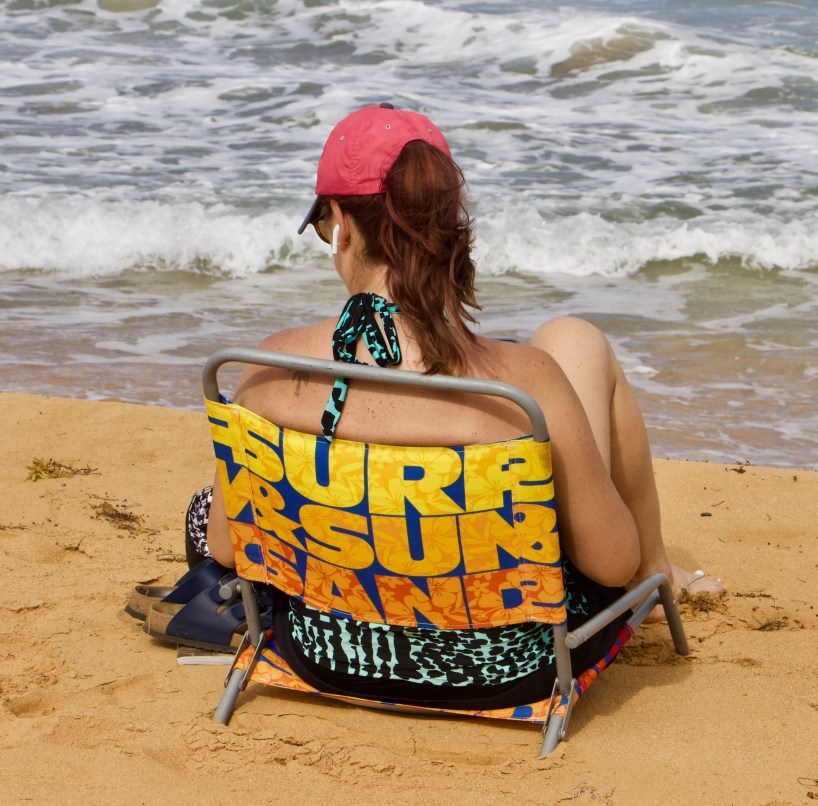
Luquillo is a laid-back beach town in the north of Puerto Rico, a perfect place for swimming, surfing, and drinking rum. We took a taxi from Fajardo to Luquillo, and arrived at our AirBnB apartment just a half block from Playa Azul. On our first evening in town, we walked over to the famed Luquillo Kioskos, a row of 30 or so bars and restaurants stretched out along the curve of a shallow bay. We drank beer and ate fried seafood and enjoyed the warm evening. For the rest of our time in the town, we tried out each of the other restaurants and cafes- Luquillo has just enough to try out two a day and not have to repeat, all without having to walk more than a mile. With views of the El Yunque Rainforest behind us, and the ocean in front of us, we were content to stay there and rest, relax, and toast the end of 2021.

Chris at the beach in Luquillo
Deah reading at the beach
An afternoon rain shower over the rain forest

Favorite food in Luquillo: Drinking a cold, creamy coquito. Here’s the recipe. I’ve already made two batches since we’ve been home.

Where we stayed: possibly my favorite Airbnb apartment. This one’s a gem, and under $100 a night

Of course this is only one small corner of Puerto Rico- there’s still so much to explore on this beautiful island (and the smaller barely-populated islands near it). Have you been to Puerto Rico? What was your favorite city or area?

Why you should visit Mexico City and Puebla, and what to eat while you are there

20211123 Mexico City flag

After 18 months of staying in the US, Chris and I decided to dip our toes into the international travel scene again for my fall break. We chose Mexico for several reasons: direct flights, cheap prices, and easy entry requirements. As of November 2021, Americans do not need a Covid test to enter Mexico- just one to re-enter the US. We booked our tickets on Volaris airline, a Mexican carrier, and we were ready to go.

Plaza Constitution: the heart of Mexico City

Leaving your car at the airport for more than a few days can be expensive, so I looked up some cheaper parking options. We went with parkingaccess.com, which wound up being $35 to park our car at a nearby hotel for the duration of our trip. Be sure to read the fine print when choosing where to leave your car- try to pick a hotel with a free airport shuttle option (otherwise you’ll up your costs by having to take an Uber the last mile), and some local options provide covered parking, while others don’t.

Continue reading “Why you should visit Mexico City and Puebla, and what to eat while you are there”

Chris Hikes the PCT- part 2: the Sierra Nevada

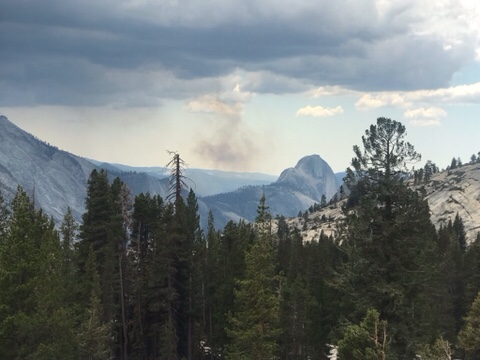
Small wisps of smoke rise from a fire near Yosemite National Park California

“The mountains are calling and I must go”, John Muir wrote in a letter to his sister in 1873, and after being in the Sierra Nevada mountains for the last few weeks, I can understand how he felt.

Although some of the toughest hiking, the Sierra Nevadas are also some of the most scenic

By mid-June, Chris and his hiking bubble had completed 25% of the trail, ending the “desert” portion of the trail. Starting June 14, he hiked out of Kennedy Meadows South, and began traversing the southern Sierra mountains. This part of the trail included the longest stretch of the trail with no access to resupply points, and no cell coverage. I camped with him at Cottonwood Meadow Campground, up in the Alabama Hills just west of Death Valley and the little town of Lone Pine on 395, and brought him a giant Subway sandwich and enough dry foods for eight days of hiking. Which makes a really heavy pack! When he left the next morning, he began the trek to get to the top of Mount Whitney, the tallest mountain in the continental US.

Continue reading “Chris Hikes the PCT- part 2: the Sierra Nevada”

Chris Hikes the PCT-part 1: the southern desert

wooden sign on the Pacific Crest Trail

Chris set off in late April to hike the Pacific Crest Trail, hopefully in its entirety (2,650 miles). Visiting some friends and family along the way, he was able to leave our car with our friend Touch in San Diego, and arrived at the start of the PCT on the night of May 3rd. Months before, he had applied for a PCT permit, and had a start date of May 4 at Campo, on the California/Mexico border.

Chris at the start of the PCT

The PCT starts off hot and sandy, with moderate hills and few water sources in low-rainfall years. Chris hiked his way past small towns such as Julian, Warner Springs, and Idyllwild, and up and then down mountains such as Mt. San Jacinto (10,883 feet). Taking a long weekend, I flew to San Diego, picked up our car, and drove to the point where the PCT meets I-10 near Palm Springs. Thanks to the Garmin InReach GPS/SOS Chris’s parents bought for the hike, we actually timed it really well, and Chris arrived at our rendezvous only 15 minutes after I did. Having just hiked 20 miles down a mountain ridge, in an extremely windy area (known for its wind farms), he was happy to take a “zero” and a “near-o” to spend some time together, resupply his food pack, and rest his feet. We also visited Joshua Tree National Park (although, he was not interested in hiking any trails there… I wonder why).

Continue reading “Chris Hikes the PCT-part 1: the southern desert”