On May 9, we flew from China to Seoul, South Korea. We spent the next week in Seoul, visiting various sites such as the Jongmyo Shrine, the old city walls, the Gyeongbokgung Palace, Seoul Tower, and a couple different history museums. Continue reading “South Korea: Just in Time for the Cherry Blossoms”→
*We entered and exited China four times in the last two months, so I waited until the end of our China visits to post this.
* I wrote Taiwan, Hong Kong & Macau, and Tibet as separate posts because of their unique cultural or geographical identities, even though technically they are part of China.
On April 4th we walked over the border between Macau (which I wrote about that in this post) and Zhuhai, and boarded a bus to go north to Guangzhou, China. We spent the night there, and then took a train to Yichang. We chose that as our first stop because we wanted to see the Three Rivers Dam and the beautiful gorges and rivers in the area. I have wanted to see that area ever since seeing the movie The Painted Veil, which was filmed in that area in 2004- the last film that was made in the area before the dam was built. We went on a tour of the dam- the largest in the world- and took lots of pictures. Unfortunately our tour of the dam was not in English. But we figured out most of it anyway. In Yichang, we stayed in a nice hostel, which thankfully had heat, which was good because it was super cold there. So cold, I had to break down and buy a jacket, even though it’s April already.
Three Rivers Dam
From Yichang, we took an overnight train to Xi’an, home of the terra cotta warriors. I happen to love overnight trains. The best duration is 12 hours. You board the train around 7 or 8 pm, settle in, read for an hour or two, then pop a sleeping pill, put on your eye mask and earplugs, and sleep for 8 hours. Wake up, have a cup of coffee, and an hour later you’re there. Drop your bags off at the hotel, and you’re ready to go sightseeing. It’s way more comfortable than a long bus ride, cheaper than a plane ride, and you save a night’s accommodation costs. Plus you get to see some scenery.
My train companions
Although I do have to say that I like the Thailand trains better than the Chinese trains. Thai trains, in 2nd class, have long rows of bunk beds, that convert to table and chairs during daytime hours. All the bunks have a privacy screen. Once you’re in it for the night, you’re pretty cozy. Chinese trains, in 2nd class, have three tiered bunks, which means you basically can’t sit up right in any of them. No privacy curtains. Alongside one wall of the train are tiny pull-down tables and chairs. Tiny. We did two 2nd class Chinese trains (called “hard sleepers”, even though the beds are fairly soft), and two 1st class (called soft sleepers, not actually any softer). In first class, they have two sets of bunk beds inside a private cabin, with a small table in between them. The door closes for privacy and you can control the lights, and they have a tv in them, although I never used it.
Chris on a Thai Sleeper Train/ Chris on a Chinese Sleeper Train
Aaaaanyway, we arrived at the home of the Terra Cotta Warriors, Xi’an. They were made 2,200 years ago, to celebrate the first emperor of the Qin Dynasty, considered to be the unifier of China. Discovered by farmers digging a well in 1976, so far over 8,000 warriors, including archers, infantry, cavalry, and horses, chariots, acrobats, strongmen, musicians, and generals have been uncovered. About half are on display; the rest are still under cover until the preservationists can figure out better techniques for preserving the delicate polychrome lacquer painted on the statues. They were quite a sight, and a lifelong goal of mine.
A bucketlist item checked off: The Terra Cotta Soldiers of Xi’an
Afterwards we walked around the walled city of Xi’an, sampling some food and seeing their Bell Tower and Drum Tower. The city is pretty far west, so we saw some of the Uigur, Chinese Muslims, with their big bee-hive head scarves all wrapped up around their hair.
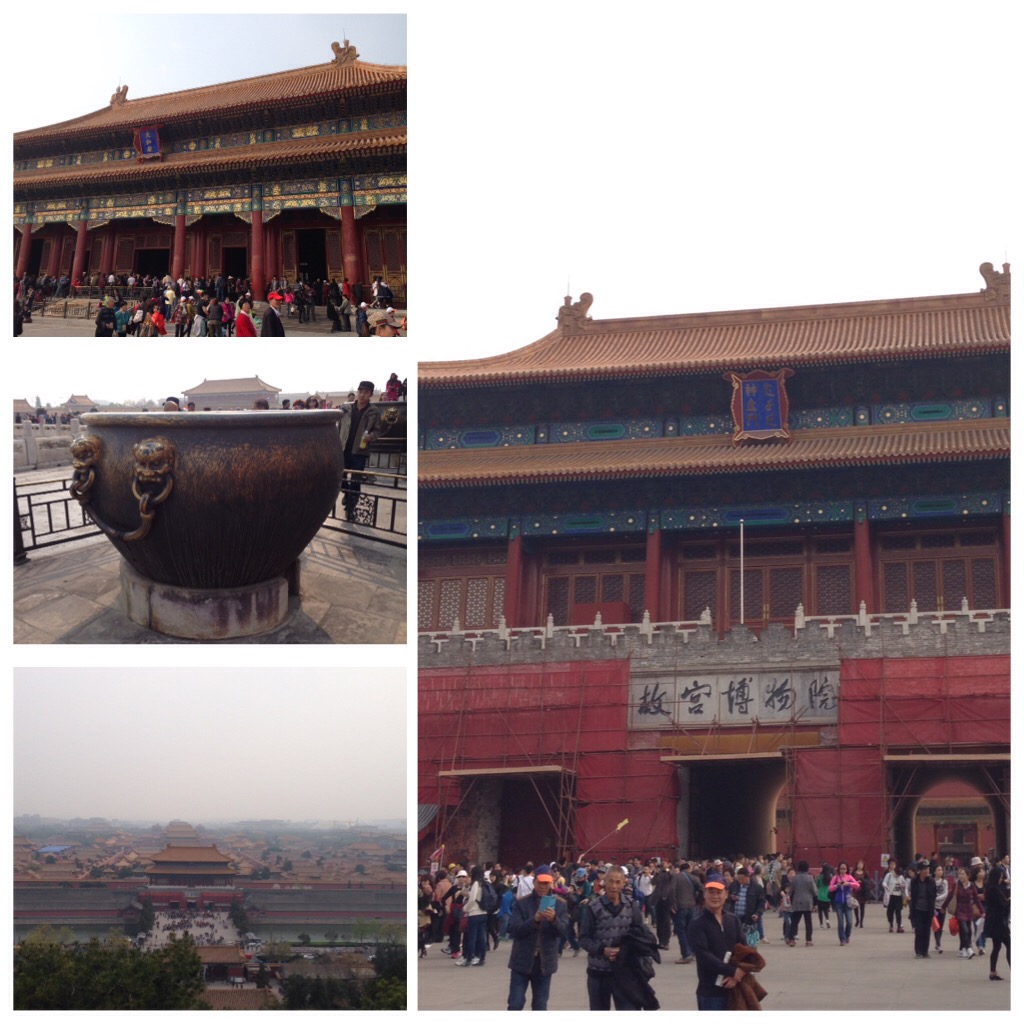
From Xi’an, another sleeper train to Beijing. There we explored Tiennemen Square and the Forbidden City, both not far from our hotel. Tiennemen Square is pretty boring, really, just a big square, but The Forbidden City had all kinds of courtyards, palaces, apartments, alleyways, etc. Afterward, we climbed a hill just north of the Forbidden City, and got a look at it from above. There you could really see Beijing’s pollution. Kind of sad.
The Forbidden City
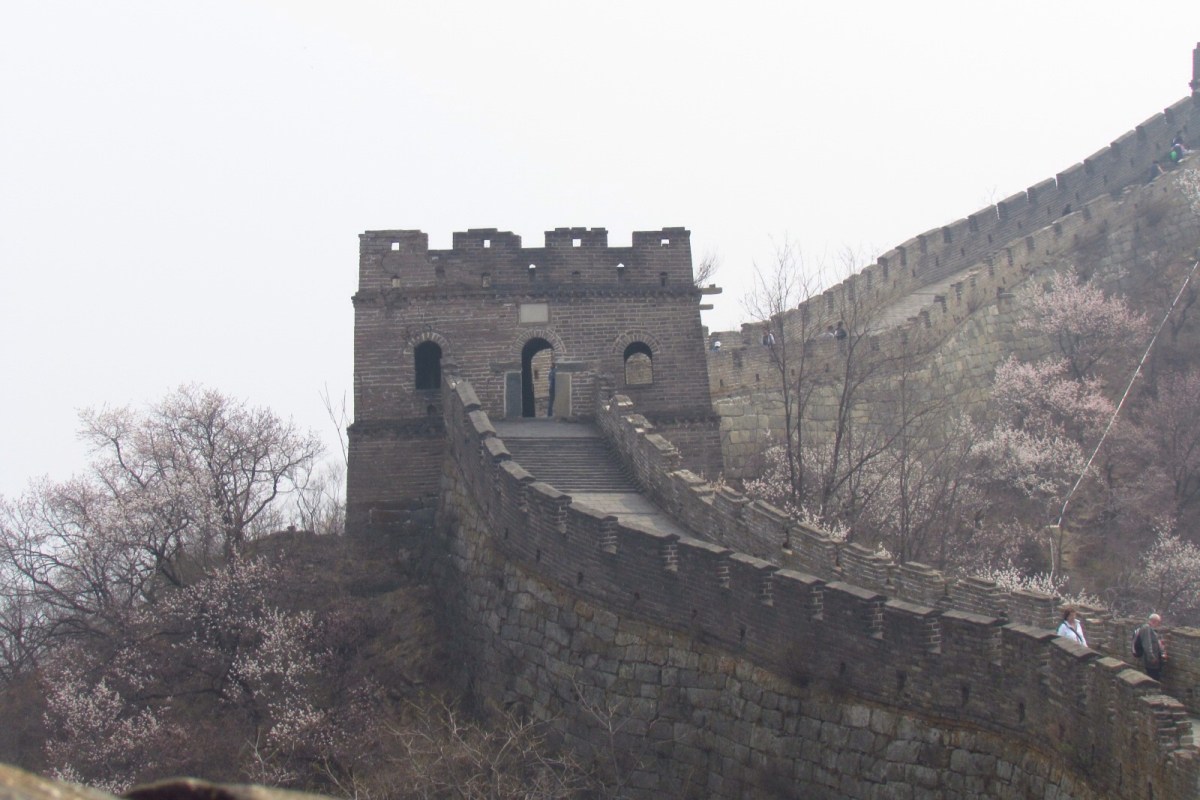
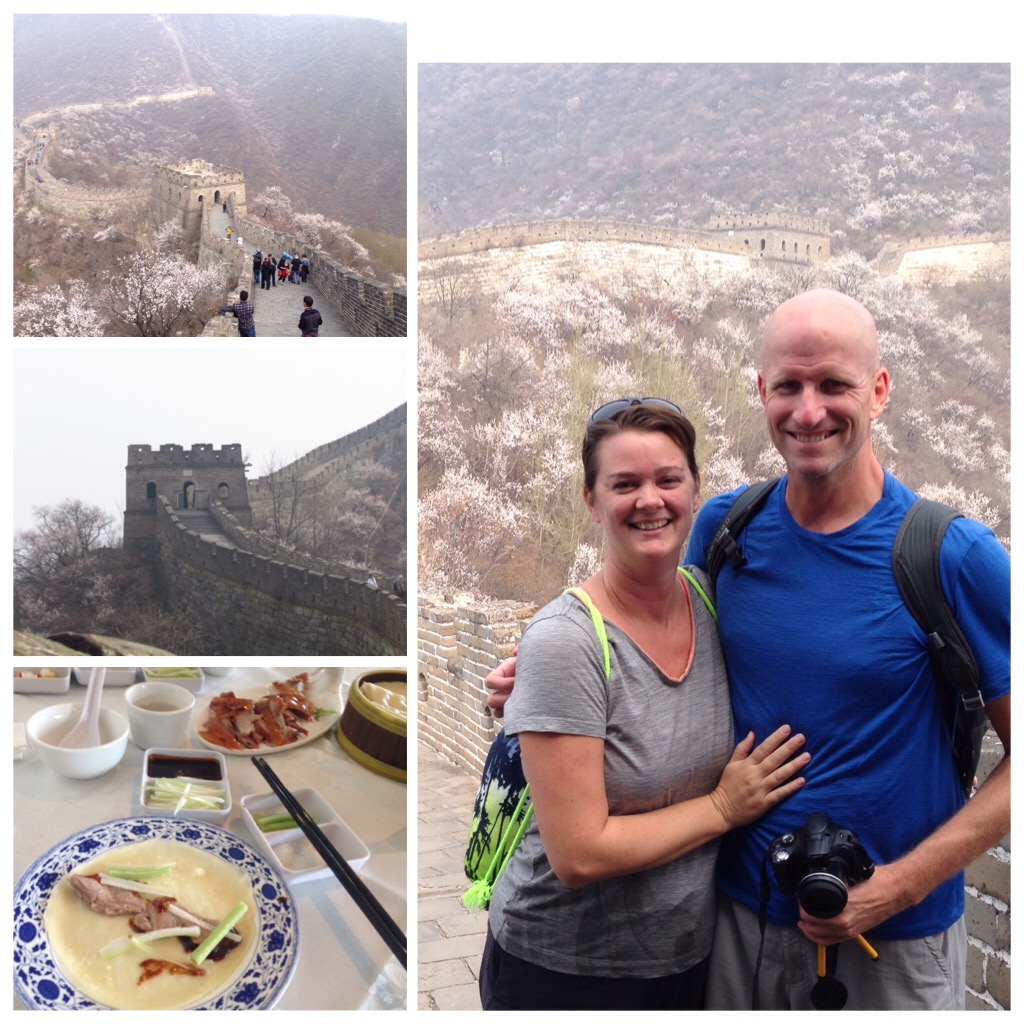
We had Peking Duck for dinner, and of course we went to the Great Wall. Talk about another lifelong dream! We went to the Matianyu section, about 70 km from Beijing, chosen due to it generally being less crowded than other sections closer to the city. We took a cable car up to Tower 14, hiked up and along to Tower 26, then returned back to Tower 6 and took a ski lift back to the bus park. All in all, about 8 km of hiking. It was amazing seeing the wall curve and wend its way along the mountains, and all along the cherry blossom trees were just beginning to bloom.
The Great Wall of China; and Peking Duck
In Beijing, we also visited the Temple of Heaven. It’s located in a beautiful park, and used to be reserved solely for the emperor as he made an annual sacrifice. One temple there is the oldest wooden temple in China. The blue, circular wooden buildings are really amazing examples of Chinese architecture and cosmology.
The Temple of Heaven
We met with our DPRK group, and flew to N Korea. When that trip finished, we had one day and night back in Beijing- more Peking Duck. Then we flew to Mongolia. When we returned from Mongolia, we had one night in Beijing before our trip to Tibet. No time for more duck.
When we left Tibet, we took the train from Lhasa to Lanzhou, a medium-sized city pretty much in the middle of China. We chose the train because we wanted to see the scenery as we left Tibet. It was amazing. We went over some pretty high mountain passes. I could feel it in the air as we tried to breathe. The Tibet trains have special glass windows to block out UV Rays, because the atmosphere is so thin. Each cabin has special oxygen hook-ups in case you need it.
Western Tibet/ Eastern China
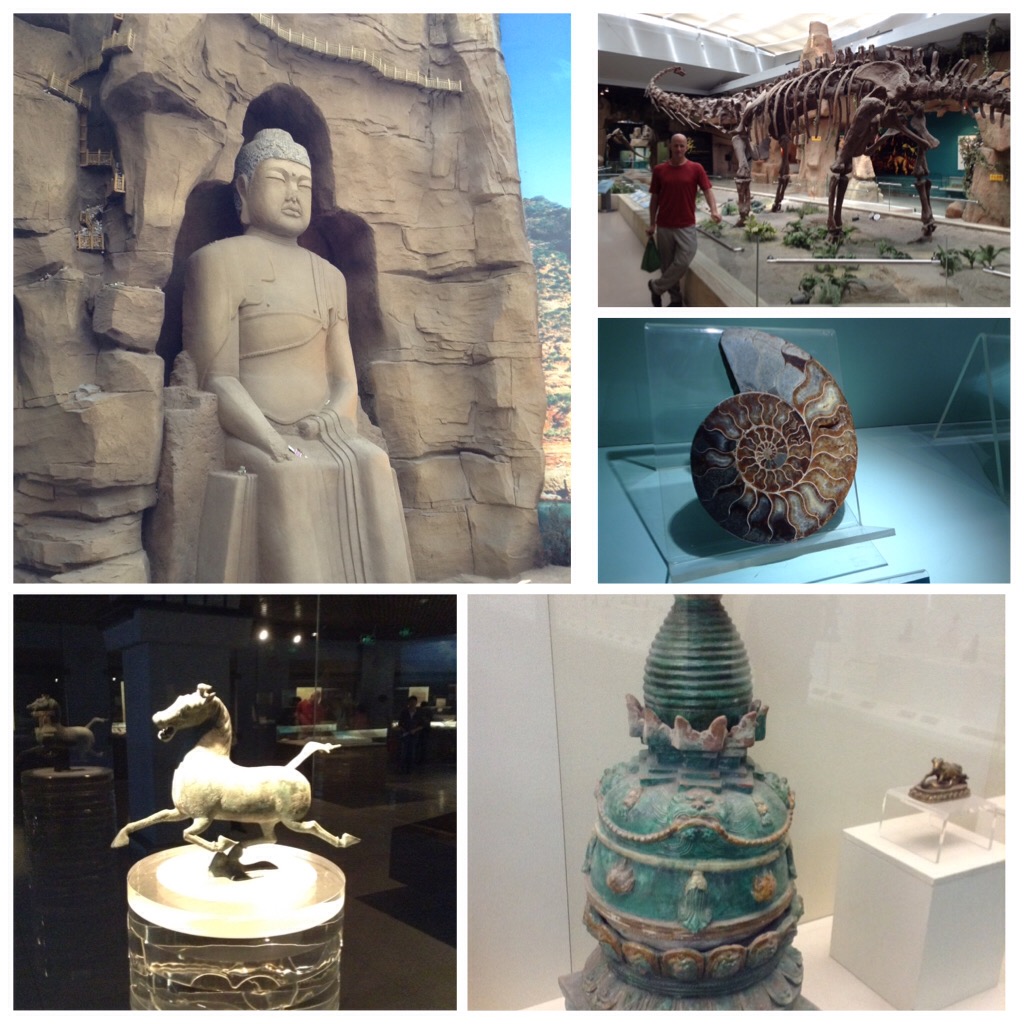
Last stop in China was Lanzhou. The city was considered the beginning of the Silk Road for all goods leaving China and heading west. The plateau that the province sits on was also probably one of the first settled parts of China, and has an amazing number of potsherds, early bronze items, etc. Even a large number of dinosaur bones have been found here. They have a pretty good museum with several rooms, so we went to it. The Silk Road, Han Buddhism, fossils, and Neolithic Pottery were all nice exhibits. And it was free. I wholly approve of free museums.
Lanzhou Museum
After crossing The Yellow River, we headed to the airport. We will fly via Shanghai and arrive in Seoul on Saturday, May 9. Country #84!
Yak butter tea, yak dumplings (momo), yak curry, yak cheese, yak noodle soup. If it had yak in it, we ate it. Yak butter tea? Super, super salty. I’ll stick with sweet tea from now on. Yak meat? Tastes like Continue reading “Tibet, The Top of The World”→
With a hankering to try mare’s milk and see the world’s largest equestrian statue, we decided to include Mongolia on our trip. It’s a two hour direct flight from Beijing, and we had a week to kill between our North Korea tour and a planned tour to Tibet. We would have liked to take the train to Mongolia, but it takes two days and also we would have had to wait a day or two to start the train journey, so it would have cut our time in-country very short.
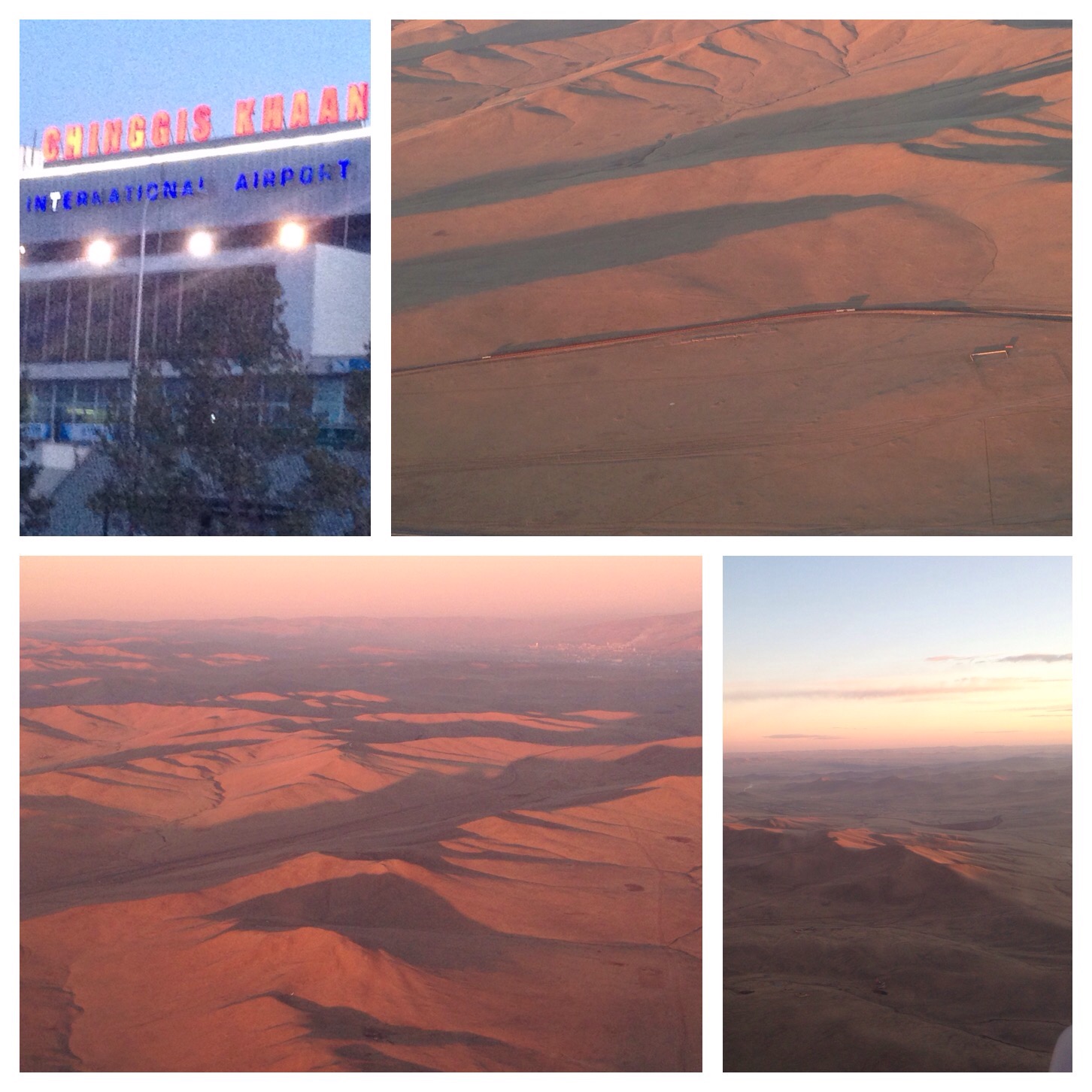
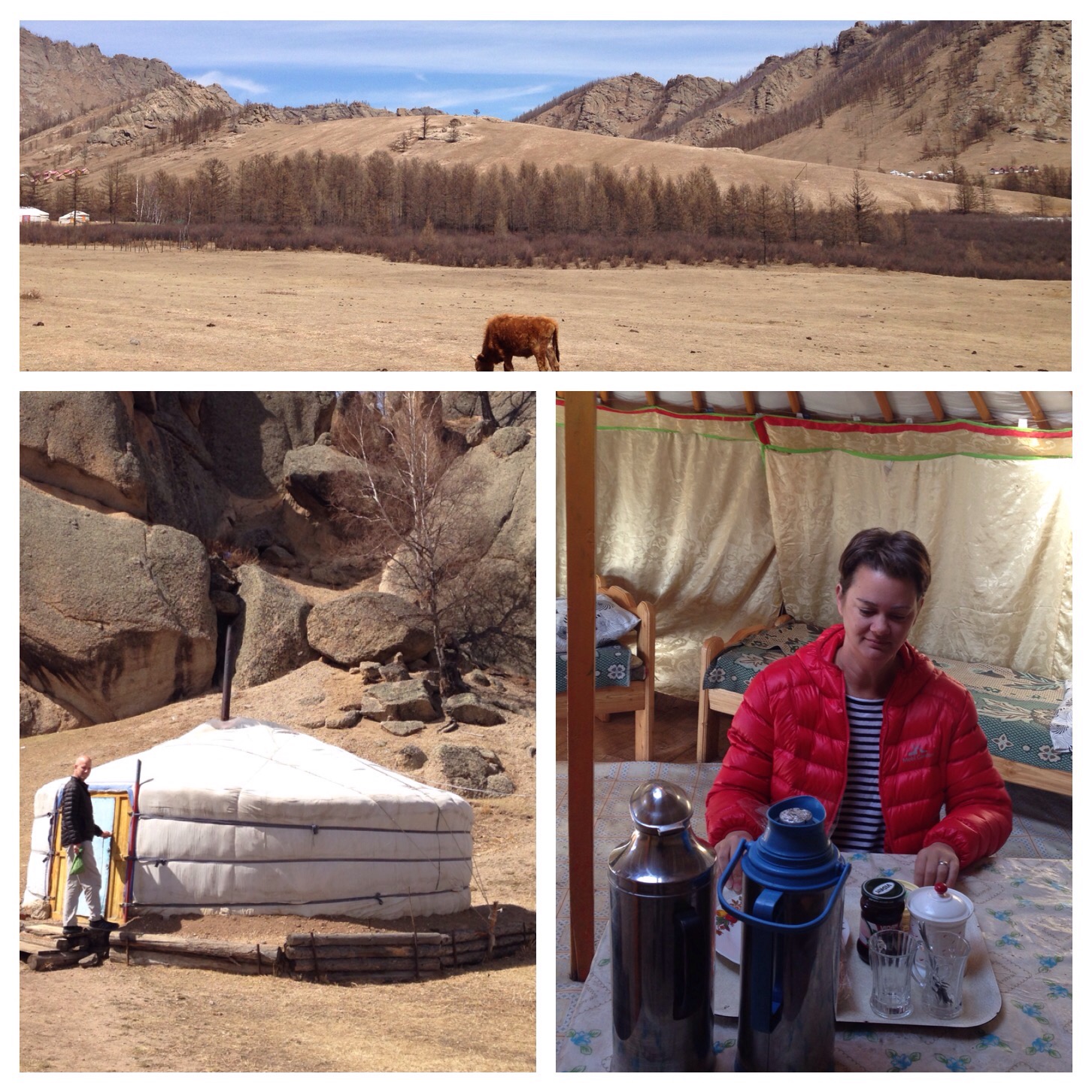
So. We flew from Beijing to Ulaan Battar (after an 8 hour delay due to “weather”), and got to our hostel. The flight flew in over the Gobi Desert and it was amazing to see it from the air. The next day we went to Terelj National park, a beautiful, empty place out on the steppes. We hiked around, rode some horses, and stayed in a ger, which is the same as a yurt (the Turkish word for a round, felt house that can be moved from place to place). A lady named Anna cooked our meals and showed us how to work the wood fired stove (it was pretty cold at night!). It was really lovely out there.
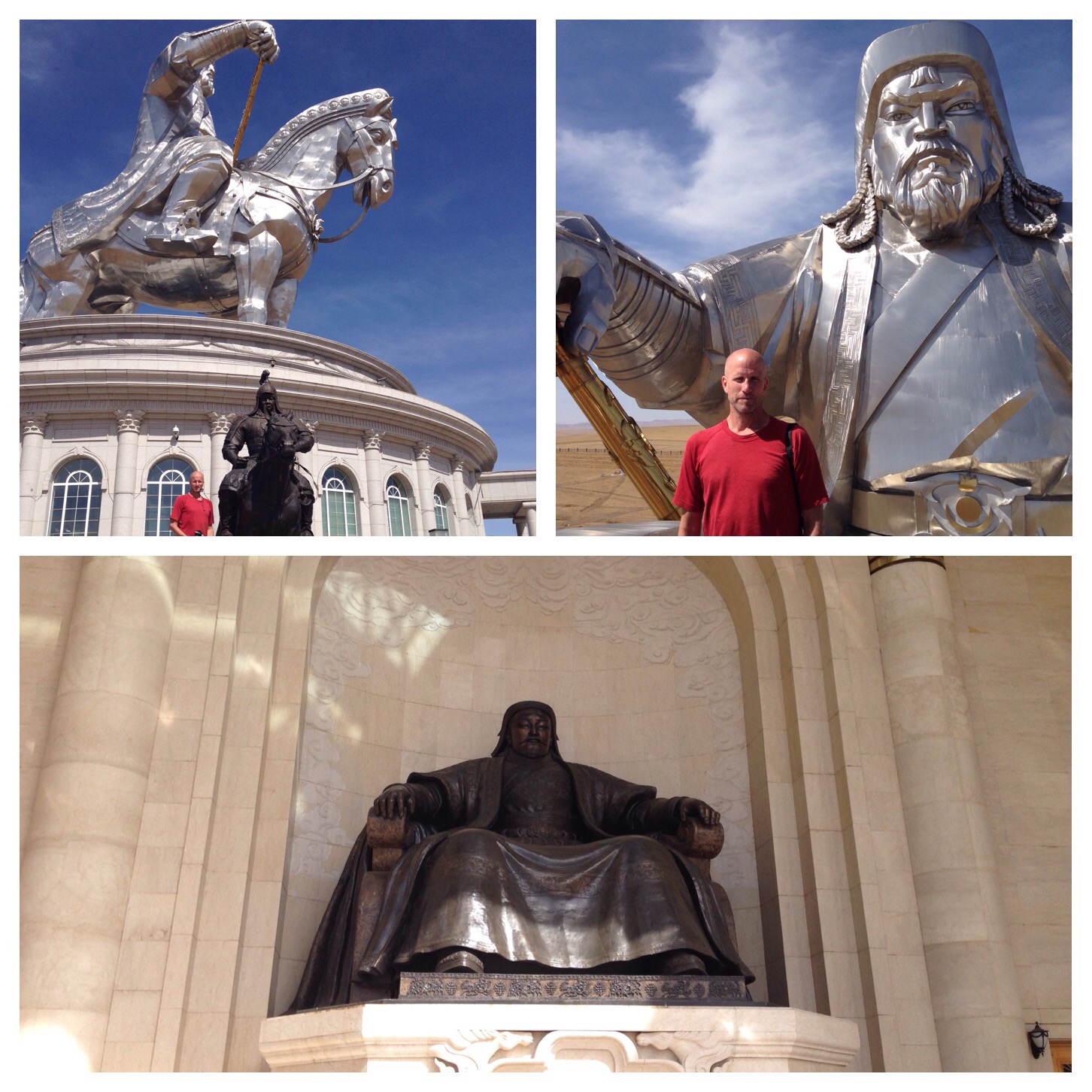
In the city of Ulaan Battar, we visited various Ginghis Khan related places. Lots of giant statues of him all over the place. Including a giant- world’s largest- equestrian statue of Ginghis riding a horse, covered in steel plates. You can even take an elevator up to the horse’s head and stand up there, seeing for miles around, snow-capped mountains in the distance.
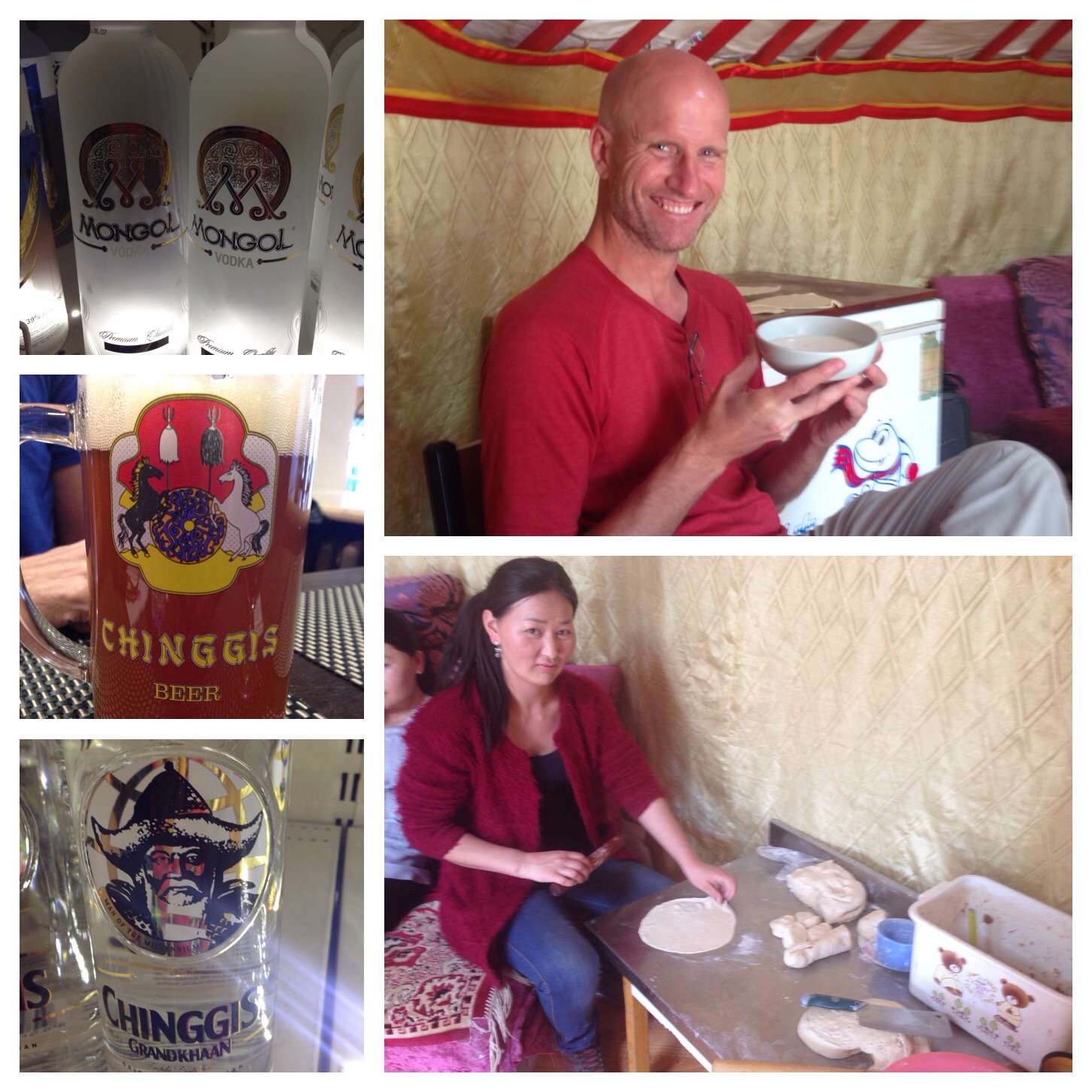
Ulaan Battar, surprisingly, has some pretty good food options. We had Russian food, Turkish food, and Mongolian food while we were here. One local specialty is a slightly fermented drink made from mare’s milk. It wasn’t terrible, it tasted like drinking sour cream or yogurt. We also had a local dumpling type food called khushuur, made with meat inside, which is sometimes fried and sometimes boiled in milk-tea. Speaking of, we asked about yak butter tea, a famous Mongolian thing, and were told two different things. One person said only the true nomads- way far away- drink that and it’s disgusting and smells horrible. Another person said it’s simply hot tea with yak milk and salt. A yak, after all, is just a very shaggy type of cow.
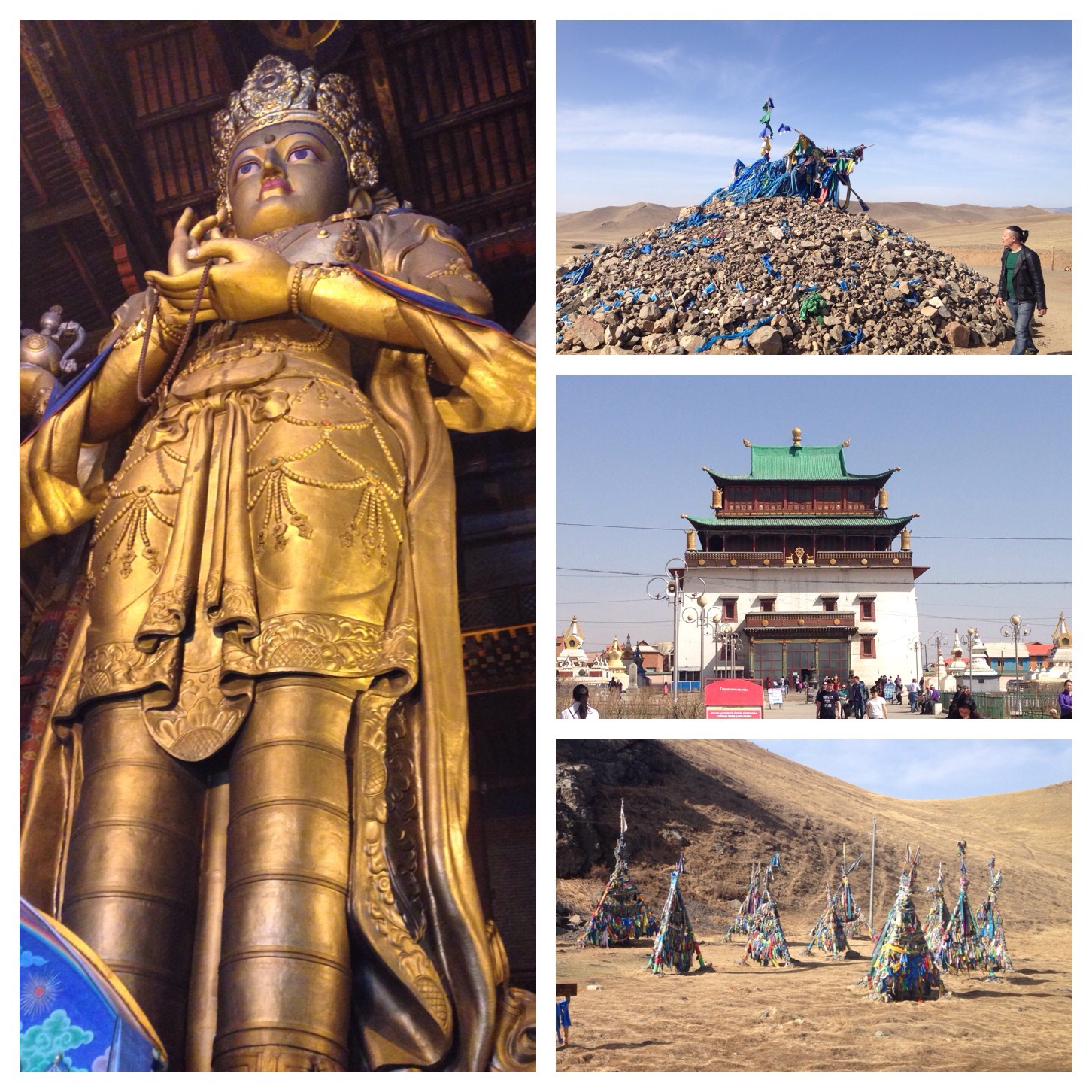
We visited a beautiful Buddhist monastery called Gandantegchenling. The Mongolian Buddhists share the same kind of Buddhism that Tibetans do, and both countries fought for independence from China. Many Mongolian monasteries were burned down during the Communist Soviet purges of the 1940’s. In addition to Buddhism, many Mongolians are animists, believing in the spirits of nature, such as wind, water, and sky. There are many awaas around the area, which are rock cairns with prayer flags where Mongolian shamans make prayers for good luck or positive outcomes.
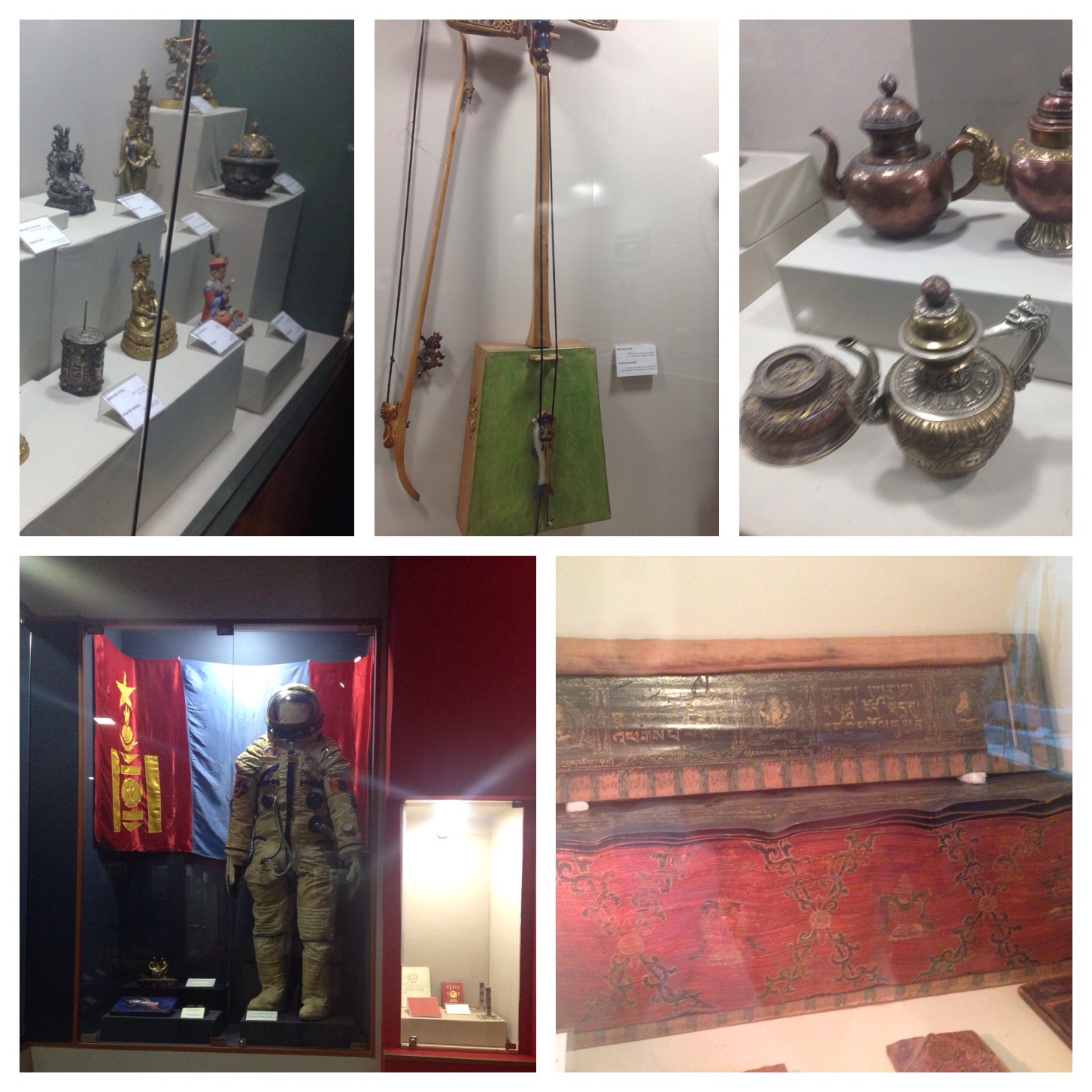
The Mongolian National History museum was really informative, with rooms taking the visitor from Paleolithic to modern times, including a section on the Mongol empire of course. Good stuff. We downloaded the 2004 movie Mongol: Rise of an Empire, but we need one with subtitles. It’s supposed to be a pretty good movie about Ginghis Khan.
We enjoyed our time in Mongolia, but regretted that we didn’t have enough time to get out farther afield.
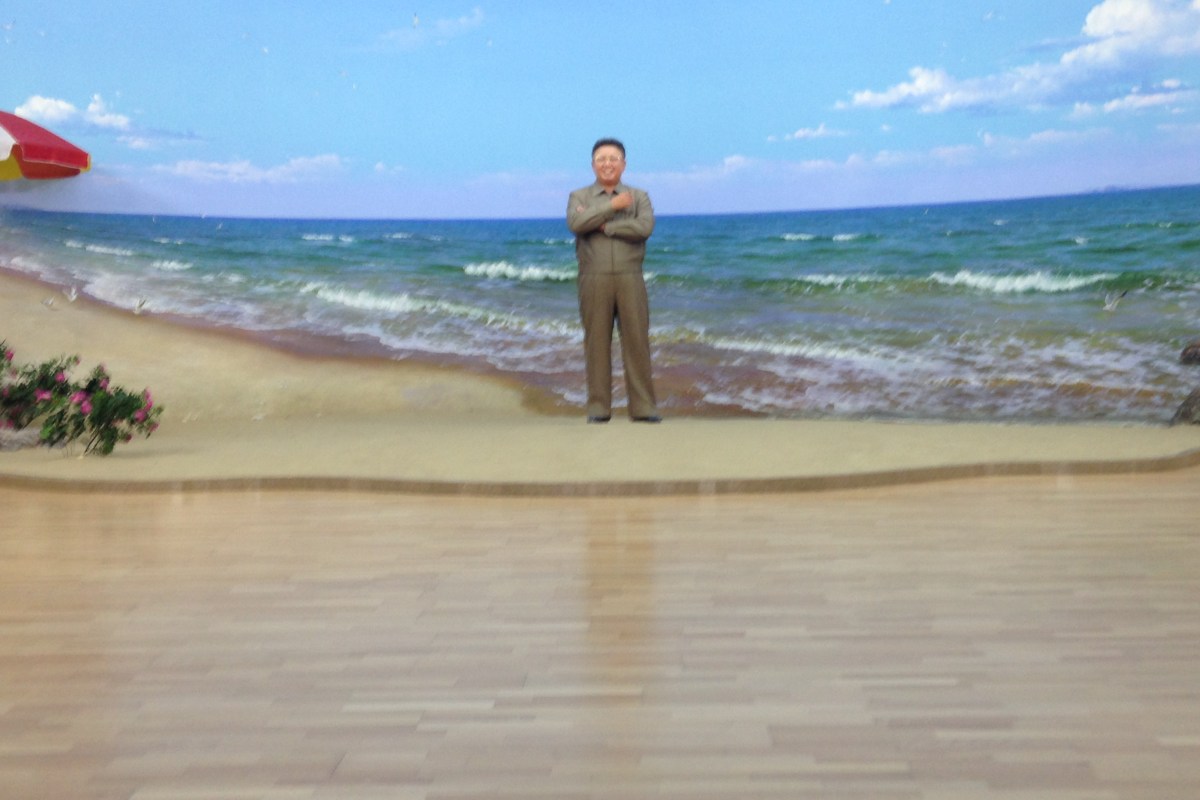
From Beijing it’s a two hour flight on Air Koryo to get to North Korea. The visa only costs 50 Euro, so we decided to go. The country closed its borders from October to March due to Ebola, but reopened in April. It is not, contrary to popular belief, illegal for Americans to travel to North Korea (or at least it wasn’t in 2015 when we went). The only way any travelers can go is with a group, so we booked a week long tour with Young Pioneer Tours. They also run tours to Iran, Haiti, Mongolia- their motto is “we go places your mother doesn’t want you to go”. We picked a tour that was the week of the biggest national holiday in DPRK, which is President Kim il Sung’s 103rd birthday. Yes, he’s dead, but he would be 103. And yes, he’s still the President. His son, Kim Jung il, was the General, and his son, Kim Jung Un, is the Grand Marshall.






 PalmTreeMusings