After “settling down” in Austin and spending way too much time at Home Depot, I wanted to travel again. Deah was busy with her new job, but suggested I go solo on the condition that I write a guest blog-post. I’m no Shakespeare, but ventured out regardless for a three week Pacific trip to Marshall Islands, Nauru, and Kiribati.
I spent several days on Majuro Atoll, Marshall Islands on both ends of the trip. It’s accessible via the United Airline island hopper flight starting in Honolulu. Due to the Compact of Free Association with the USA, Majuro has a somewhat American feel to it; brands, beers, T-shirts, people with relatives in the States, etc. It’s a long, skinny island, but easy to get around by frequent taxis and infrequent buses.
The international airport of Majuro, Marshall Islands. Tiny place but has a cafe, bar, wifi, etc.
The Peace Park build by the Japanese and Marshallese governments commemorates all those killed in the Pacific during World War II. About 30 minutes by car from Majuro.
This guy (?) was about the size of my little fingernail. There were lots of critters on the reef that were easy to see by walking out during low tide.
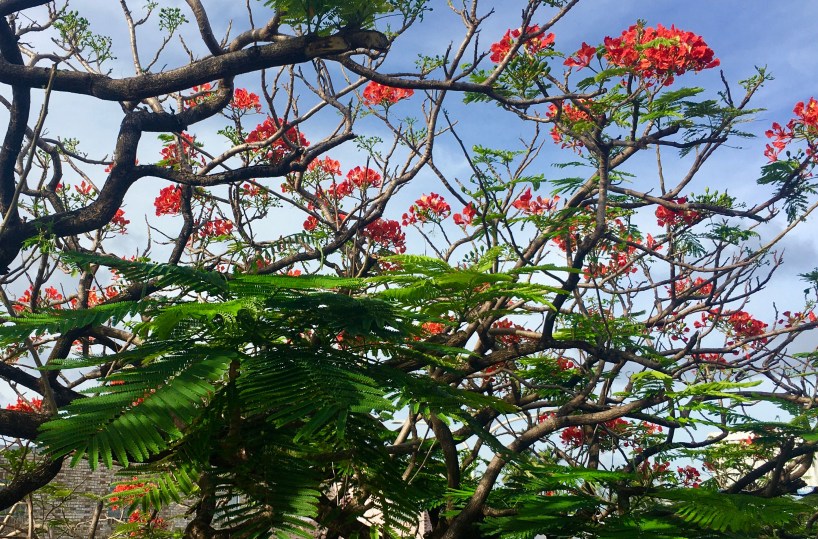
A “flame tree” outside the Flame Tree Restaurant.
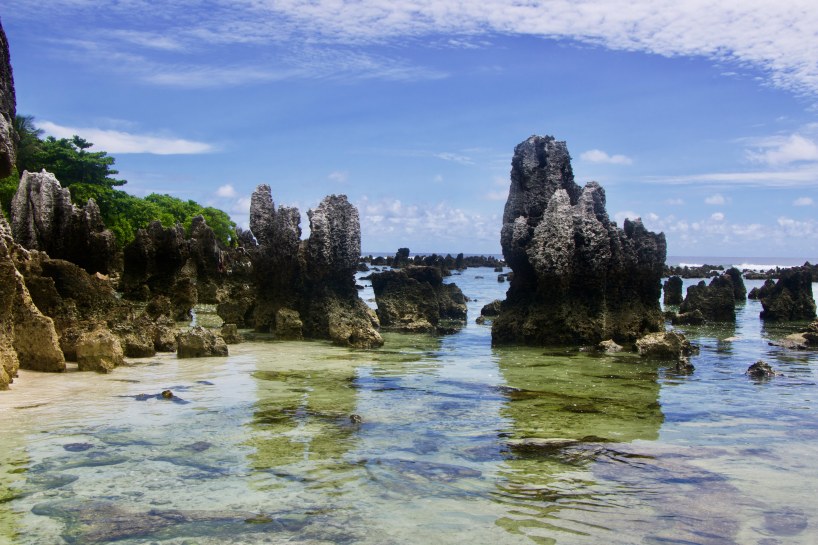
After a Nauru Airlines flight delay of 48 hours, I arrived in Nauru; an island nation that used to be one of the world’s richest per capita, but is unfortunately now one of the poorest. This change was due to over-exploitation of massive phosphate deposits by foreign countries and later Nauru itself. The removal of the phosphate left a lot of coral pinnacle formations. It only takes about three hours to hike around the entire country; four if it’s really hot and you stop for the occasional beer or dip in the ocean.
Welcome to Nauru. This is the entire country.
Coral pinnacle formations.
Cantilever used to load and unload ships. Currently ships can’t get closer than the edge of the reef. There is a quay under construction.
Weightlifting is popular for both women and men on Nauru.
Weightlifters need loads of protein, so these little piggies better be careful.
Engine from a phosphate train on display outside of a tiny museum on Nauru’s history.
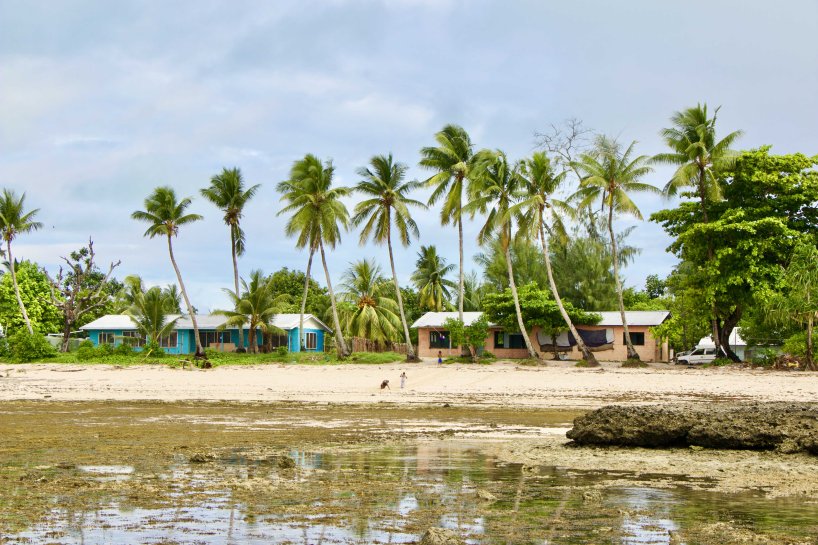
Next up was Kiribati; one of the world’s smallest countries by landmass, yet one of the largest by sea territory. I visited two islands; Tarawa and Abaiang. South Tarawa was full of small villages and towns, busy, and easy to get around in by mini bus. One of the main Tarawa attractions is the World War II battle site and its Japanese coastal guns and bunkers. Abaiang was less developed, rustic, and more laid back. I got there and back by two-hour boat ride, but there is a occasional plane option. Both islands had lots of places to swim (high tide) and walk out to look for various critters (low tide). The Kiribati people I met were all friendly and helpful. I enjoyed both islands.
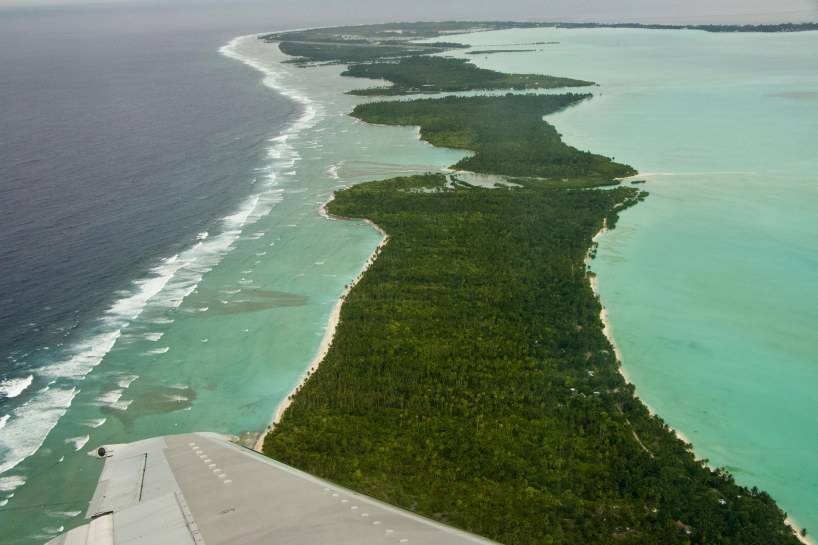
Blue on the ocean side and green on the lagoon side of Tarawa atoll, Kiribati.
Japanese gun and bunkers left over from the World War II battle of Tarawa.
Looking back at Tarawa during low tide.
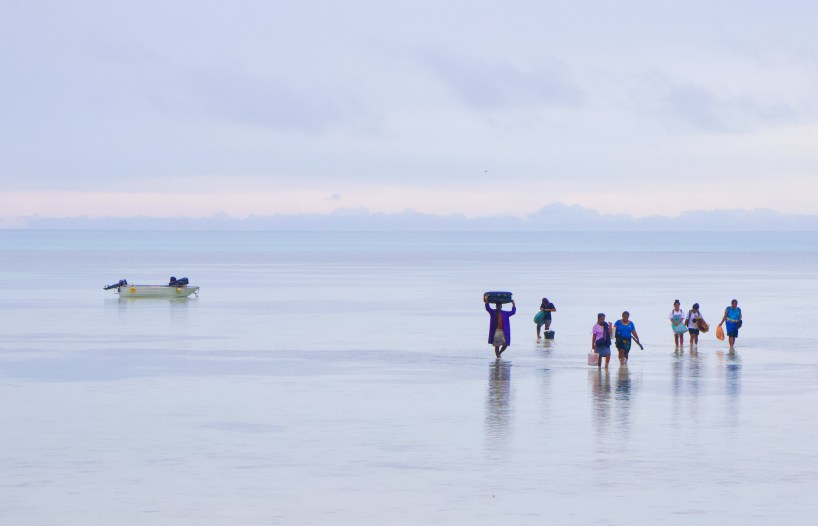
Passengers first ride a 25-passenger boat from Tarawa, then transfer in groups to a tiny motorboat, and finally walk through the swallow water to arrive to Abaiang atoll.
All in all it was a fun trip to three countries with three distinct personalities. The most challenging parts were getting a Nauru visa and scheduling flights. The best part was meeting lots of really friendly people in a relaxing part of the world.
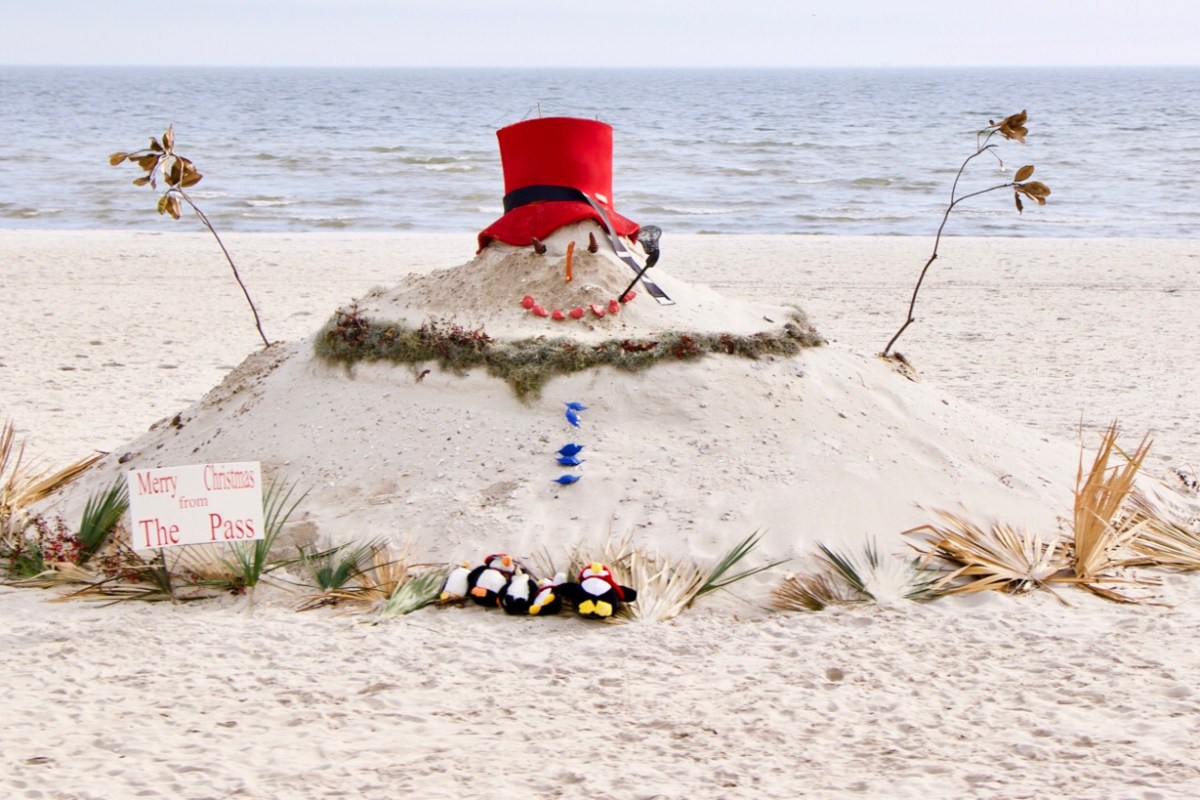
If you’re dreaming of a white Christmas, but don’t like snow- then I suggest a trip to the US Gulf Coast. Stretching from Florida to Texas, the white sand beaches and quaint coastal towns, coupled with 70 degree days, are a delight in the off-peak winter months.
A “sandman” greets us at Christian Pass, Mississippi
For Thanksgiving week, Chris and I got to experience travel with a twist: we went as certified housesitters and cared for a cat while her owner was away. We’ve been members of the website Trusted Housesitters for a year now, and we finally found a gig that would match up with our schedule, plus a place we wanted to visit.
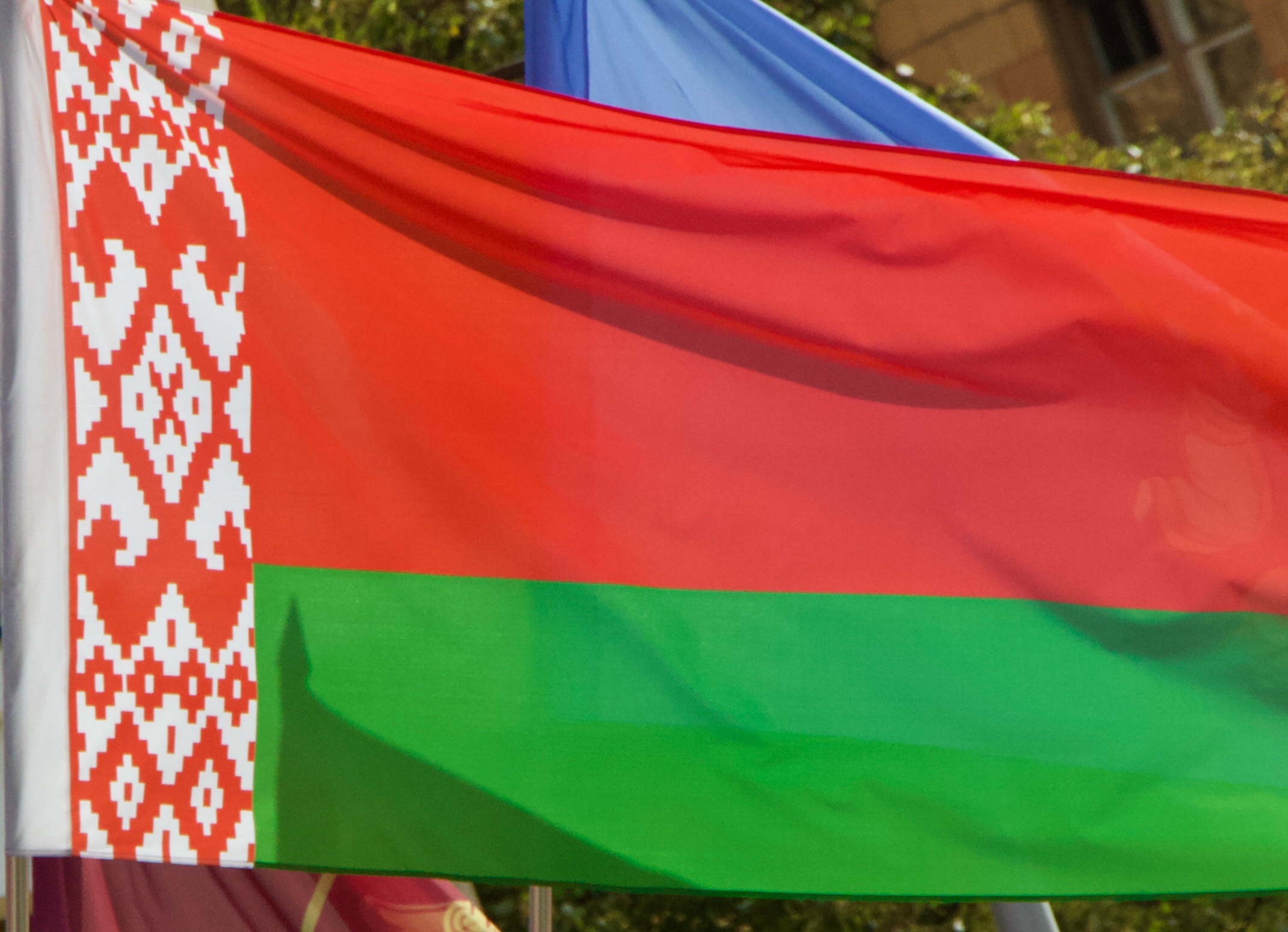
I have to admit, we arrived in Minsk a little travel fatigued. It was our 26th country on this trip, and we’ve been traveling for over a year. But as Chris and I spent more time in Minsk, the city really began to grow on us and we kept discovering more fun areas to explore. Since hosting the 2019 European Games, the country has rushed to modernize, including a free visa for most nationalities (if you arrive by air to Minsk). If you take your time and get to know it, Belarus might surprise you.
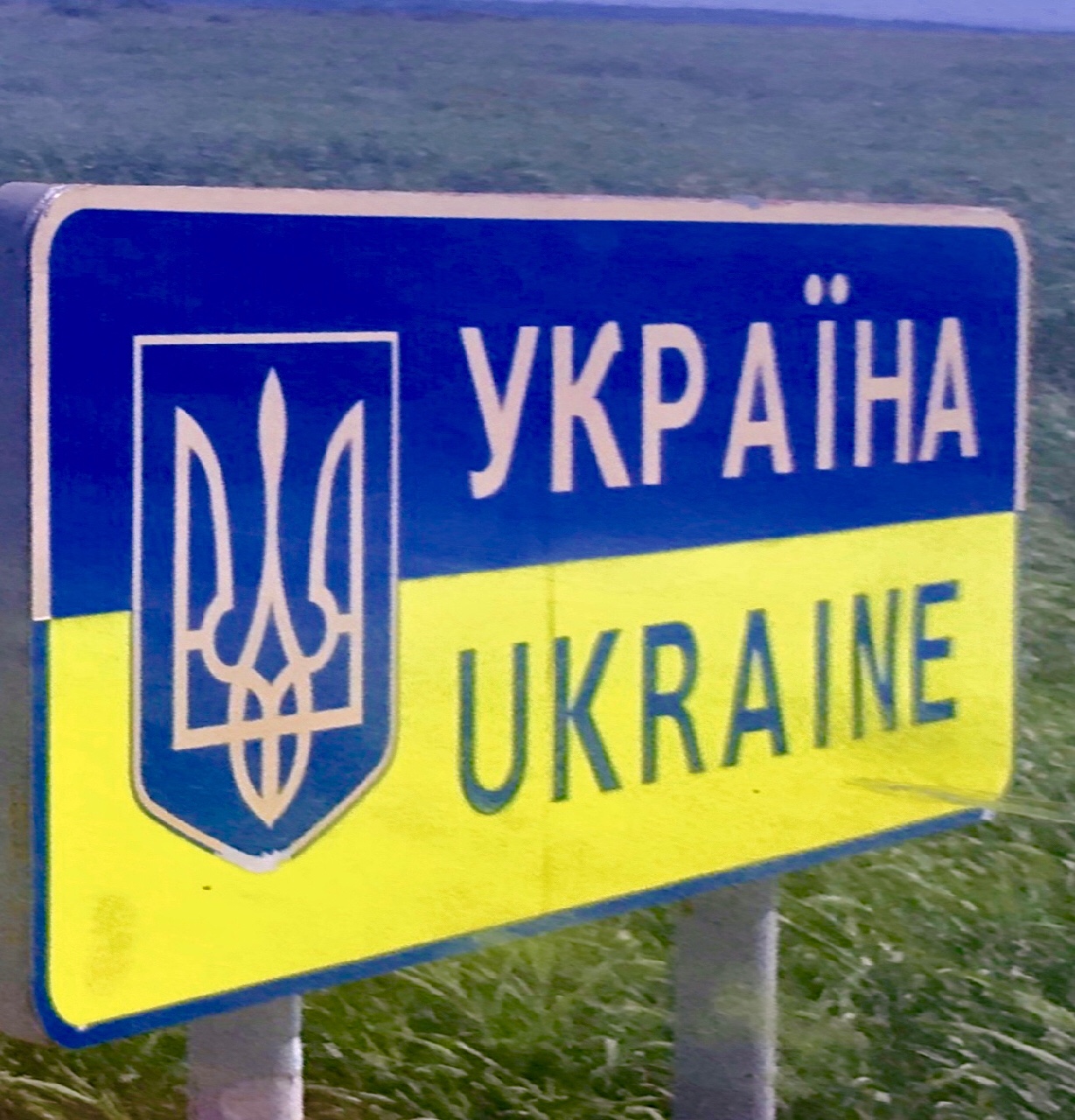
Ukraine is fairly new to the tourism scene, and is less-traveled by western tourists. But there’s still a lot to do in this sprawling country, and in fact, some of the things to do here are so uniquely Ukrainian that they can’t really be done anywhere else! Read on to discover some of the adventures Chris and I had during our two weeks in Ukraine.
Hit the beach:
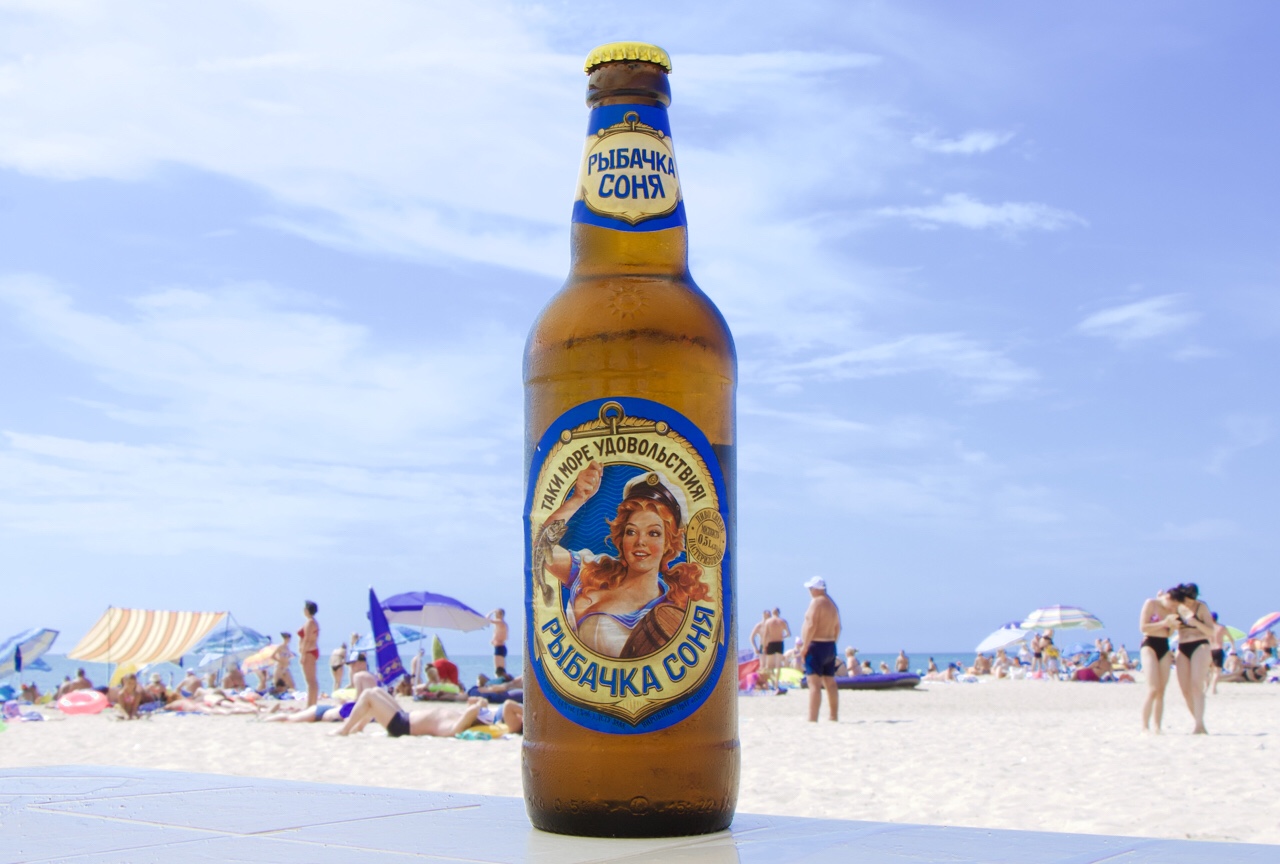
For centuries people from northern climes have flocked to the Black Sea near Odessa to “take the waters” of the sunny south. There are busy party beaches within walking and tram distance of Odessa’s downtown, such as Arkadia and Ibiza. If you prefer a quieter beach scene for your holiday, take the commuter train heading south and visit any of the beach towns the train passes through. We spent three lovely days at Zatoka, about 50 km from Odessa, and loved the relaxed atmosphere there.
There’s nothing like a cold beer on a hot beach
Explore the catacombsunder Odessa:
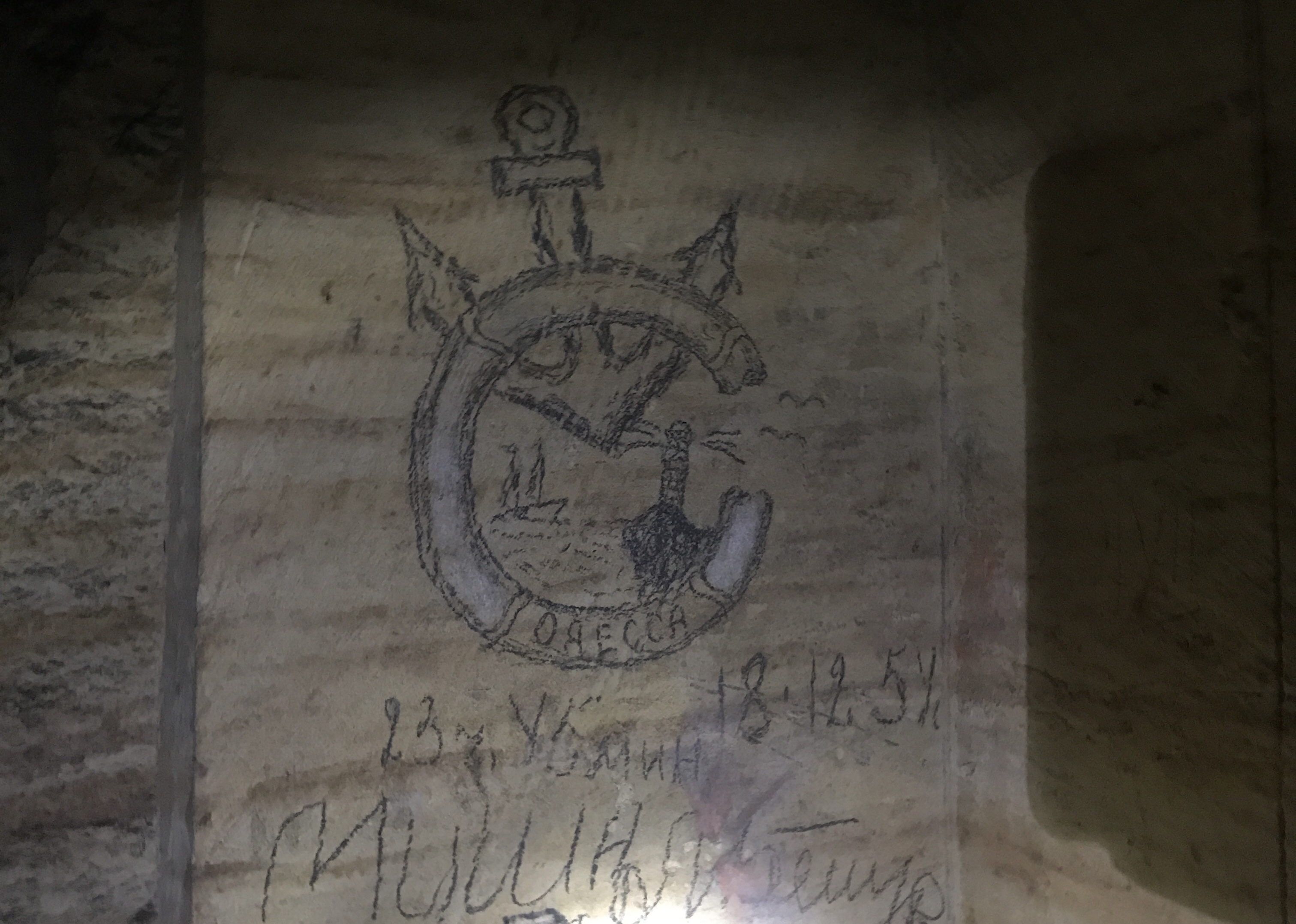
The city of Odessa was built with blocks of limestone mined from tunnels near the city in the 19th century. In later years, these same tunnels were used as an extensive network of bomb shelters and command centers in case of a Cold War attack. Now, visitors can visit the Museum of Catacombs to learn about the 2000 km of tunnels, or take a tour through the “wild” catacombs themselves. We went with Leonid and had a great time exploring the creepy but cool underground. Don’t sign up if you are claustrophobic or afraid of the dark!
Welcome to Odessa Underground!
Free Walking Tour
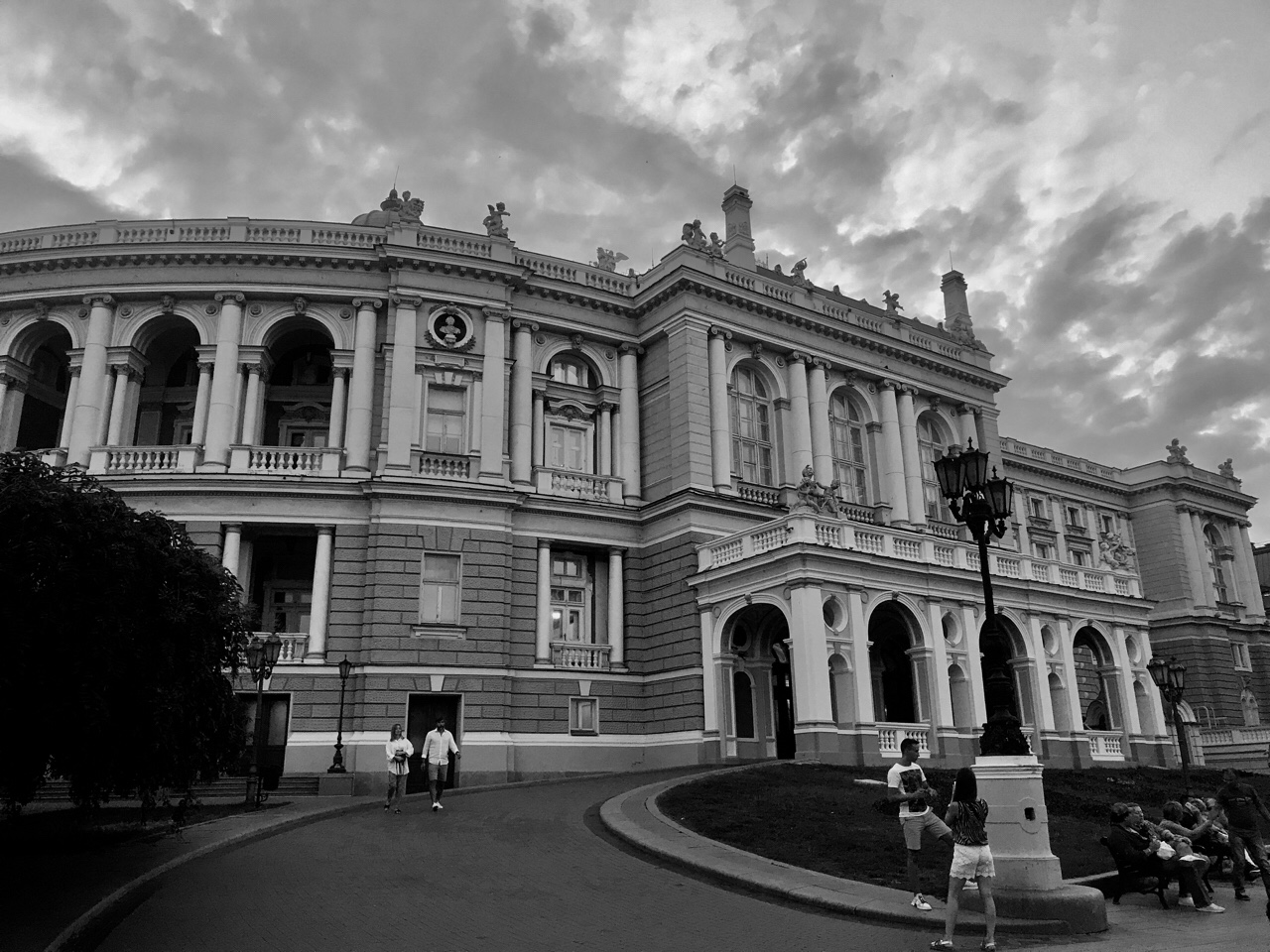
Of course, nearly every major city in Europe offers free walking tours now, but there’s only one in Odessa! We walked the city with Svetlana for two hours, taking in sights such as the Potemkin Steps, the Odessa Opera House, the “Flat” House, and more. It’s a great way to orient yourself to a new city, plus you learn a bit about the history of the place and get tips on local bars and restaurants. These guides live on the tips they earn, so please tip them according to how much you enjoyed the tour and the time they put into it.
The Odessa Opera House
Odessa City History Museum
This was our favorite museum in Odessa. It’s situated in a beautiful 19th century historical mansion, and details the history of Odessa from early Greek fishing village, up through the Cossacks, the Russians, and World War II. We visited on a Friday, so the dates/times in Google maps are wrong (it said they are closed). The museum costs just 30 Hrievnas (just over $1). It’s located just off the lovely City Garden off Derybasivska Street (the main pedestrian street in town).
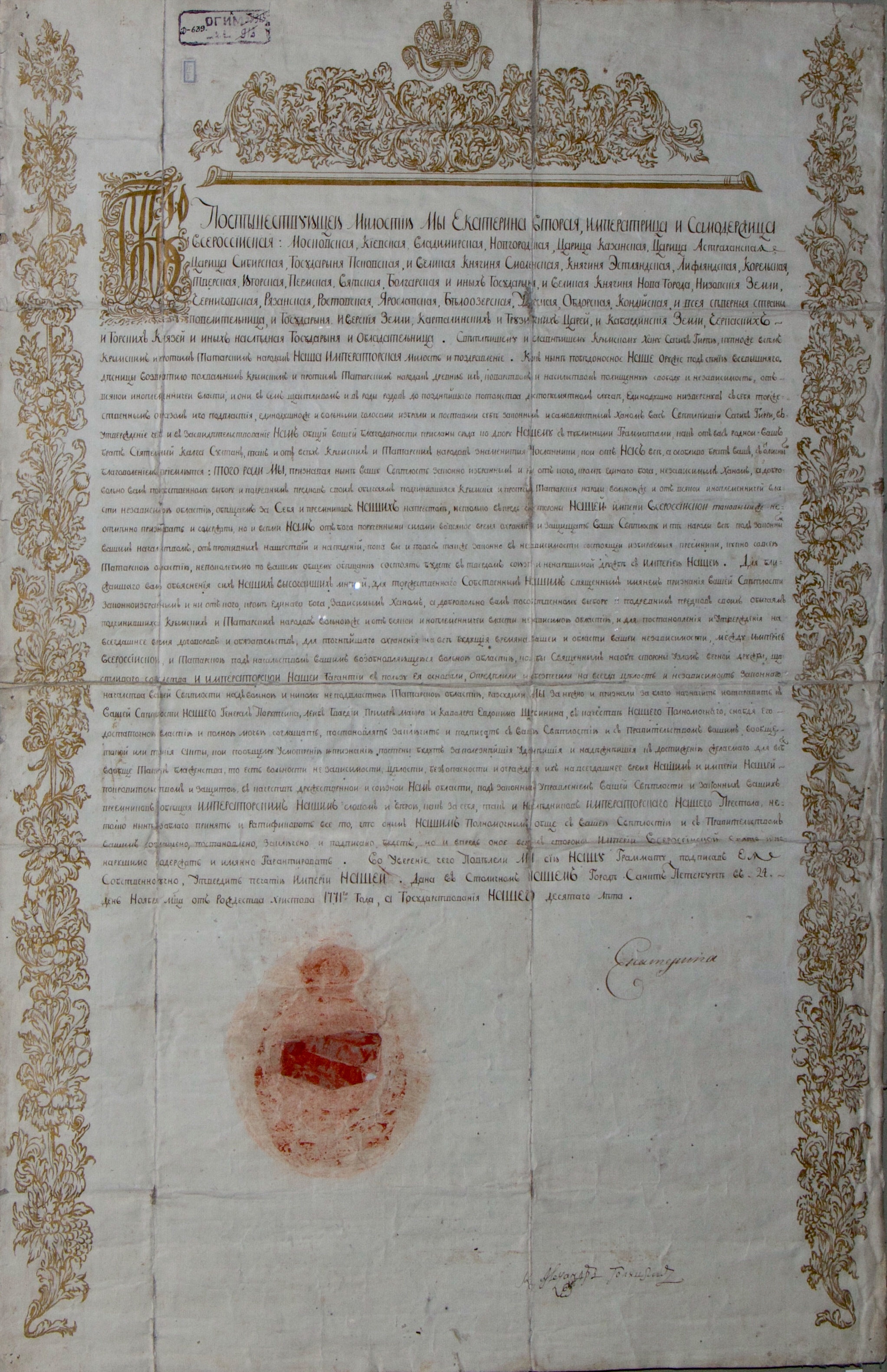
The decree from Catherine the Great to build the city of Odessa
Chernobyl Exclusionary Zone Tour:
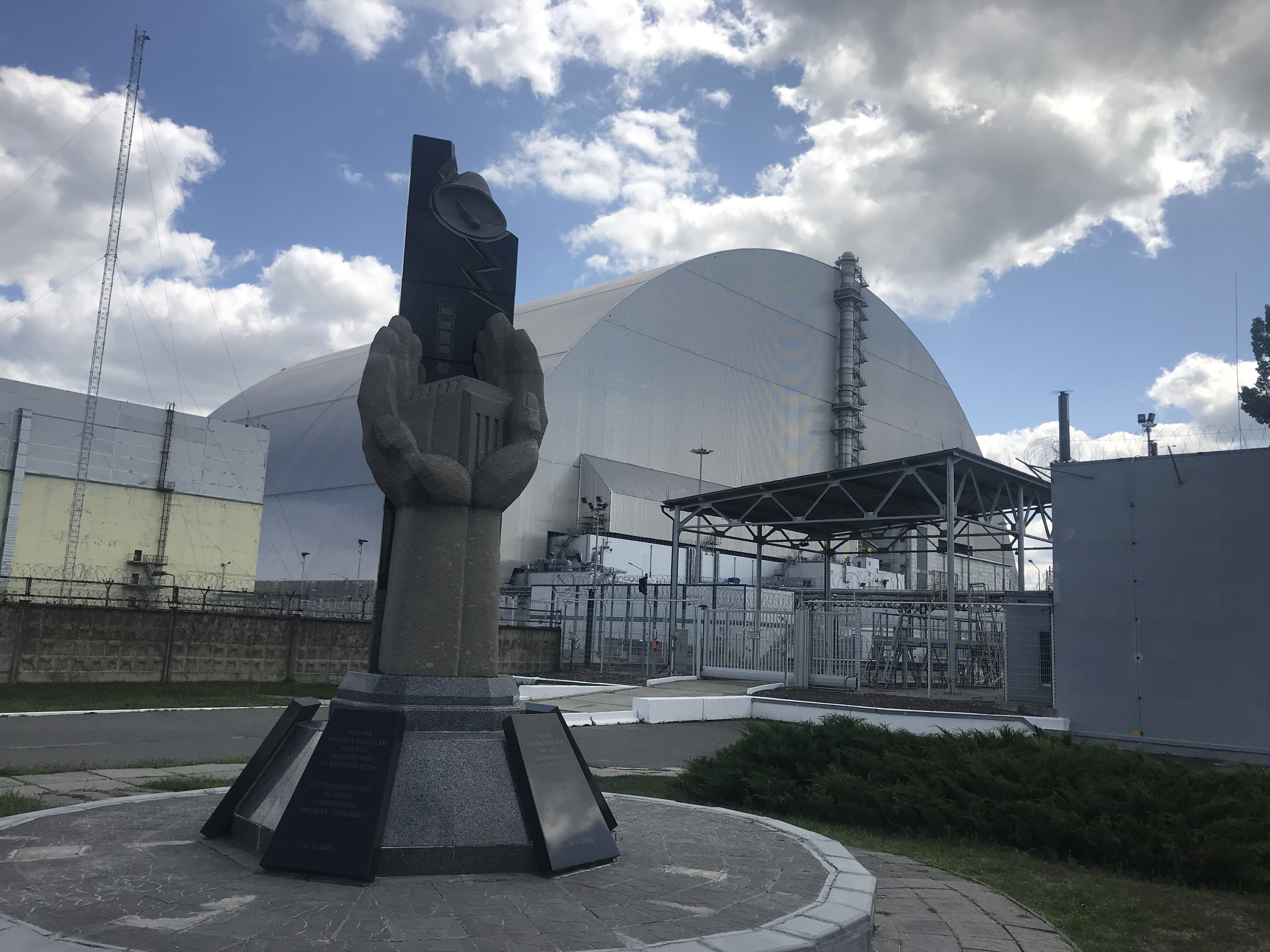
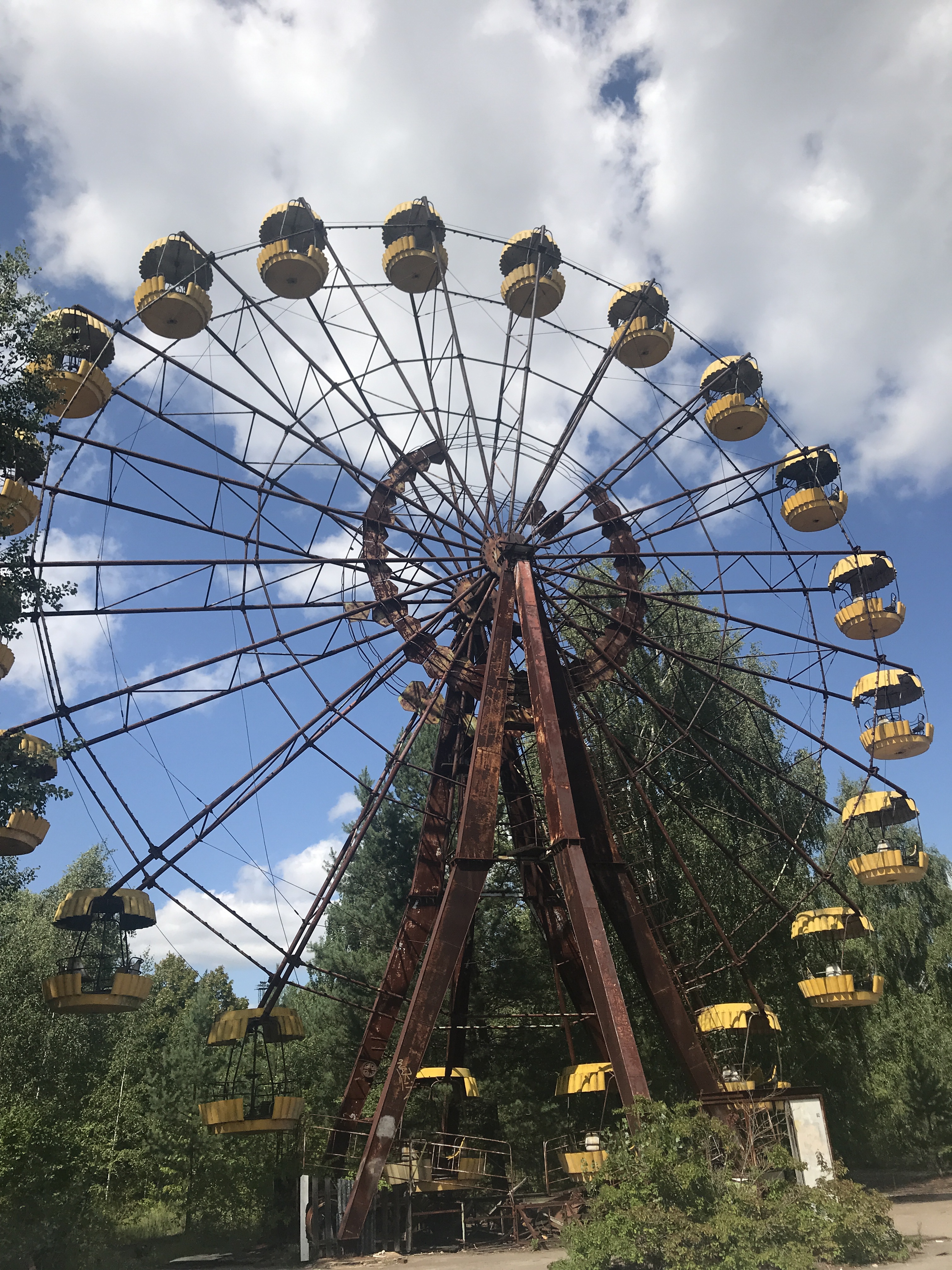
Most people over the age of 35 remember the events of April 1986, when news emerged that the nuclear reactor at Chernobyl in Ukraine was severely damaged and had spewed radioactive gases that reached all the way to Scandinavia in just a few days. The area was promptly evacuated and until 2011, only workers involved in the on-going clean up effort could visit inside the Exclusionary Zone. Tours began running a few years ago, and now, with a new 1.5 billion Euro cover over nuclear reactor number 4, visitors can do a one- or two-day tour to the the Zone. Since the new HBO miniseries debuted in May 2019, Chernobyl has seen a 40% increase in tourism. For visitors who want to learn more about the disaster but don’t have the time or funds to visit the site, there is also a Chernobyl Disaster Museum in Kiev.
Chernobyl Reactor no.4, now covered by a super-dome
The abandoned amusement park at Pripyat, the town that housed the workers of Chernobyl
Street Art and Craft Beer
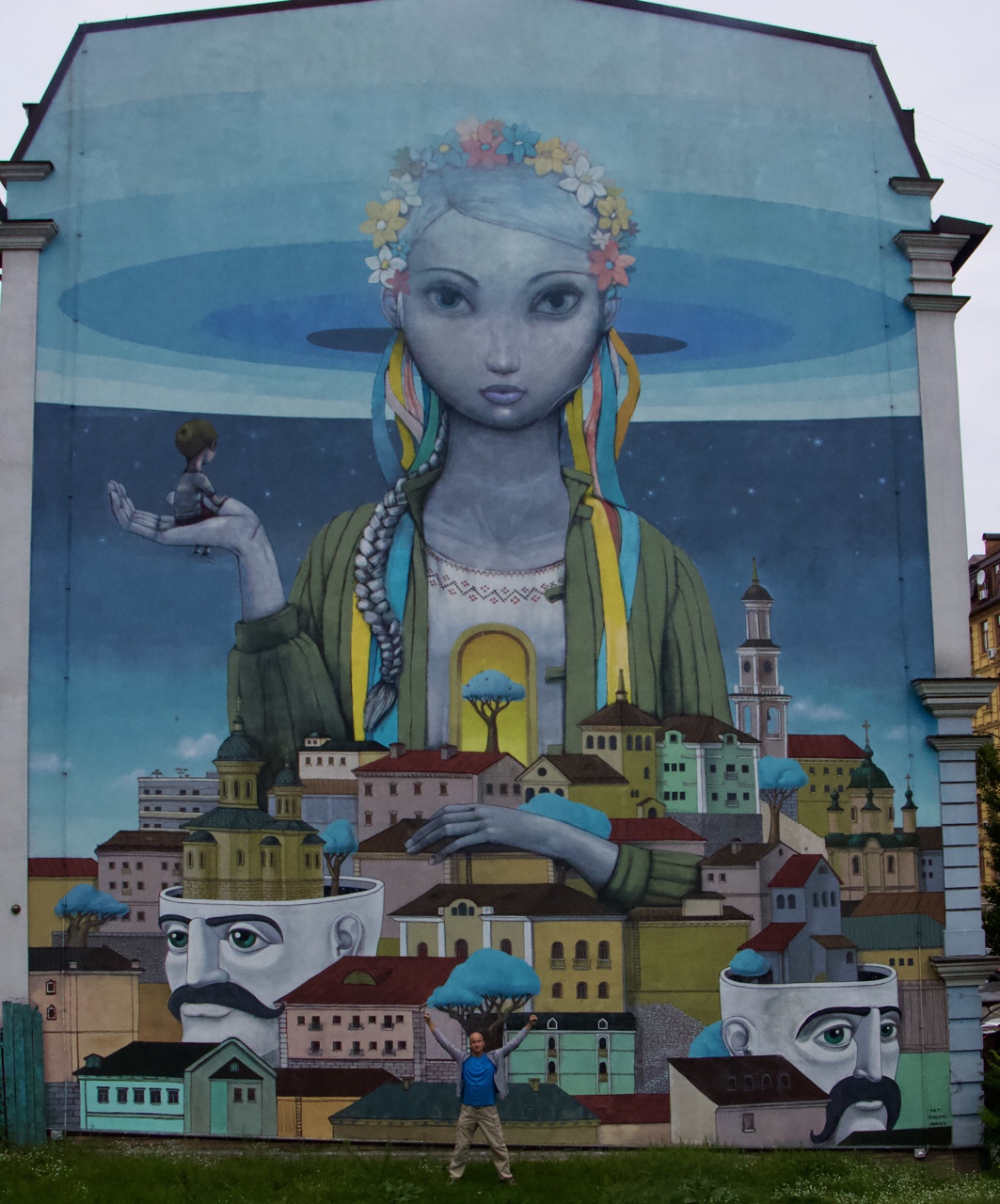
Not only do we love drinking local beers at small breweries, but we also love looking at amazing street art that pops up in cities. On our walking tour of Kiev, we passed by several large-scale murals and wanted to find more information on them. We were super happy to find this blog post from “What Kate and Kris Did” that not only detailed the art murals, but planned a route around Kiev that encompassed several beer stops along the way! A win-win situation for us. Be sure to check out their other posts on Ukraine as well.
“Rebirth”. Tiny Chris, big mural.
EnjoyUkrainian Food
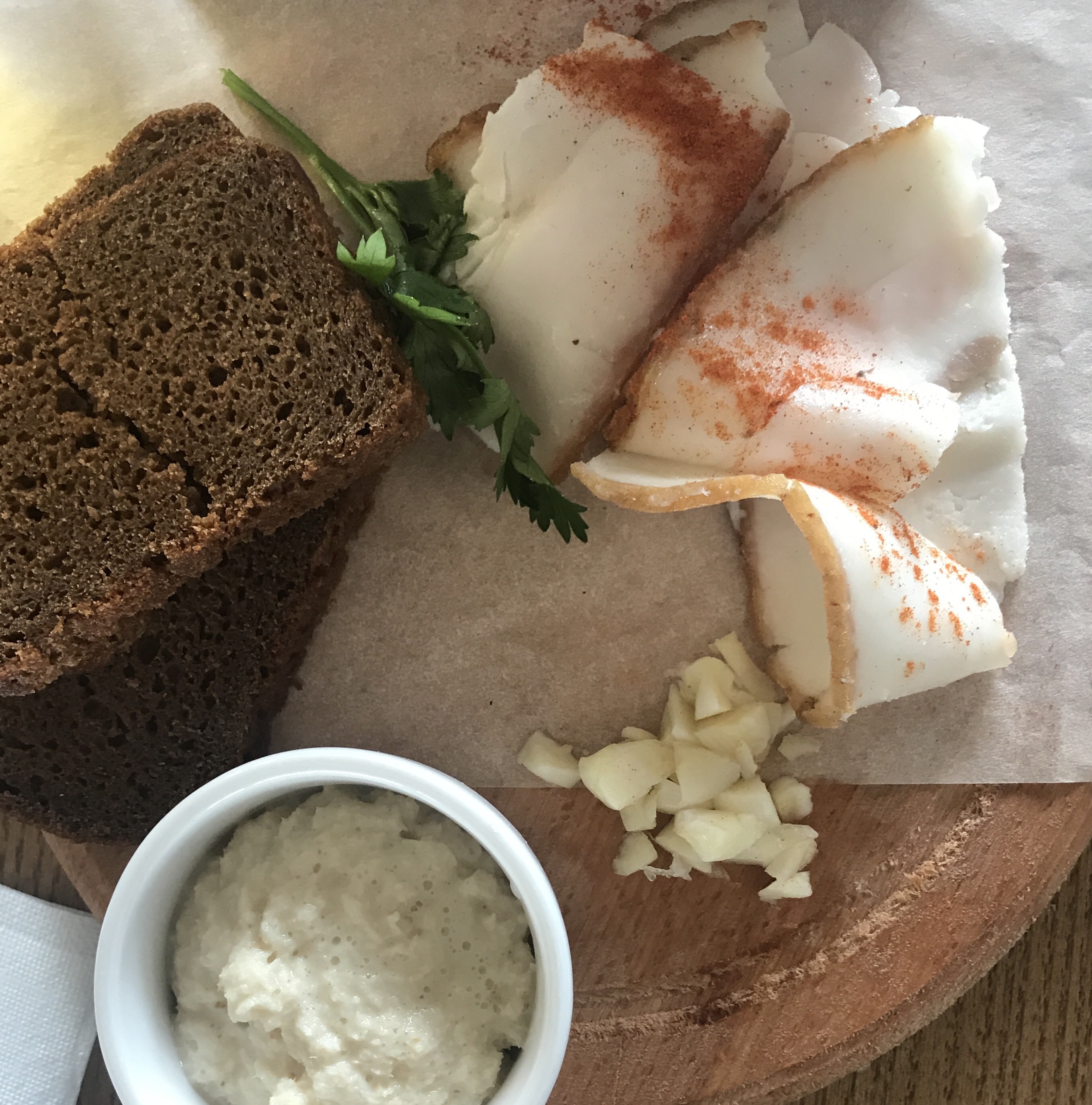
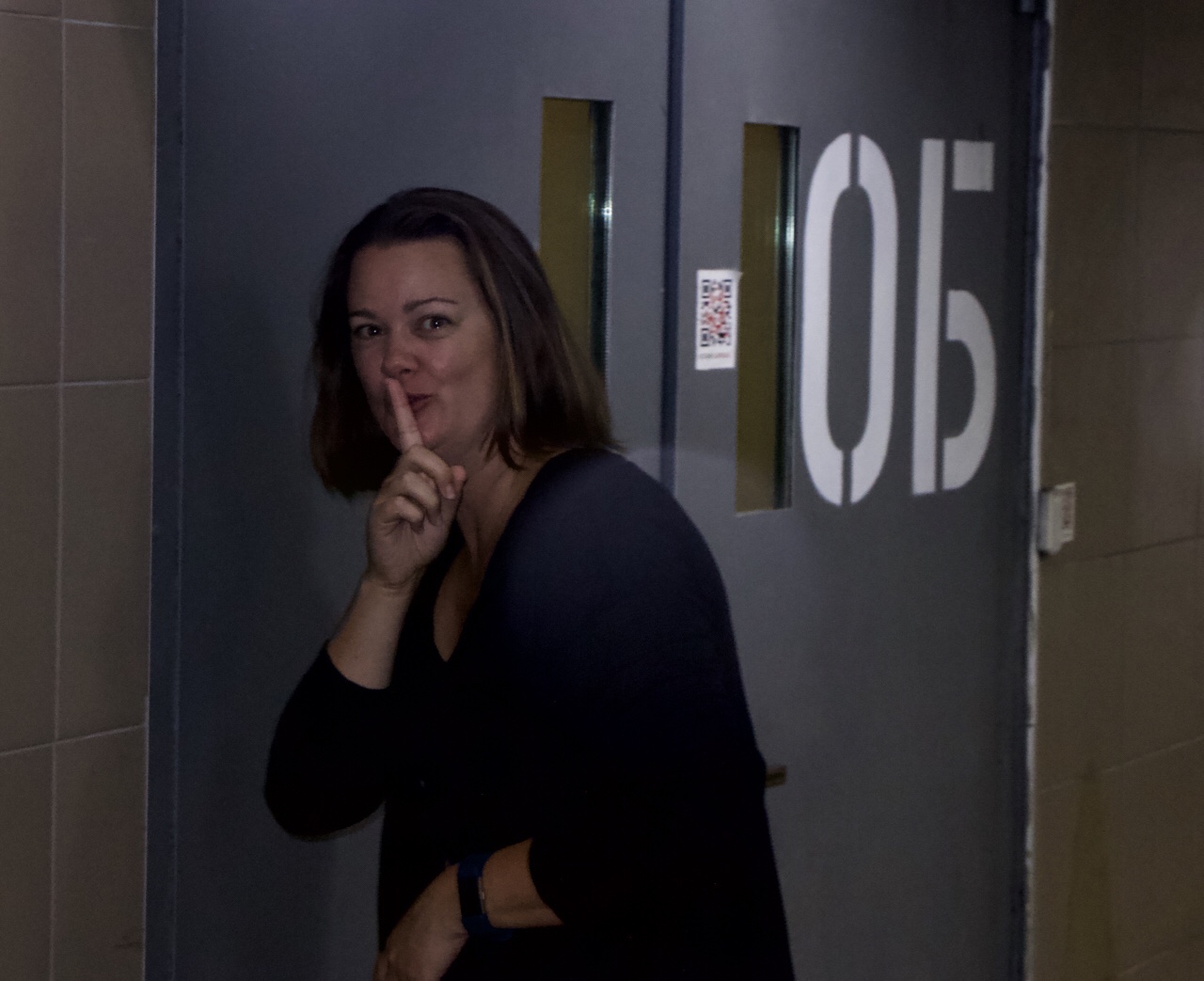
We love to eat, and trying out some local delicacies is always high on our list when we visit a new place. You definitely cannot leave Ukraine without tasting some beef stroganoff (created in Odessa), salo (sliced pork fat served with garlic, herbs, and black bread), and of course borscht (beet soup with beef chunks). Some other favorites of ours that we tried were okroshko (cold yogurt soup with egg, ham, cucumber, and onion), caviar, and kvas, a non-alcoholic malt beverage served ice-cold on hot days. A really fun place to try some Ukrainian specialties in Kiev is Ostannya Barykada (The Last Barricade)- a secret, underground restaurant that will give you a short tour and explanation of the 2014 revolution which took place in the square just above the restaurant. You need a password to enter- hit me up on Twitter or Instagram and I’ll tell you what the password is!
Salo, a delicious pork snack
You can give the password in Ukrainian or English at this (literally) underground restaurant
Study a Modern Revolution
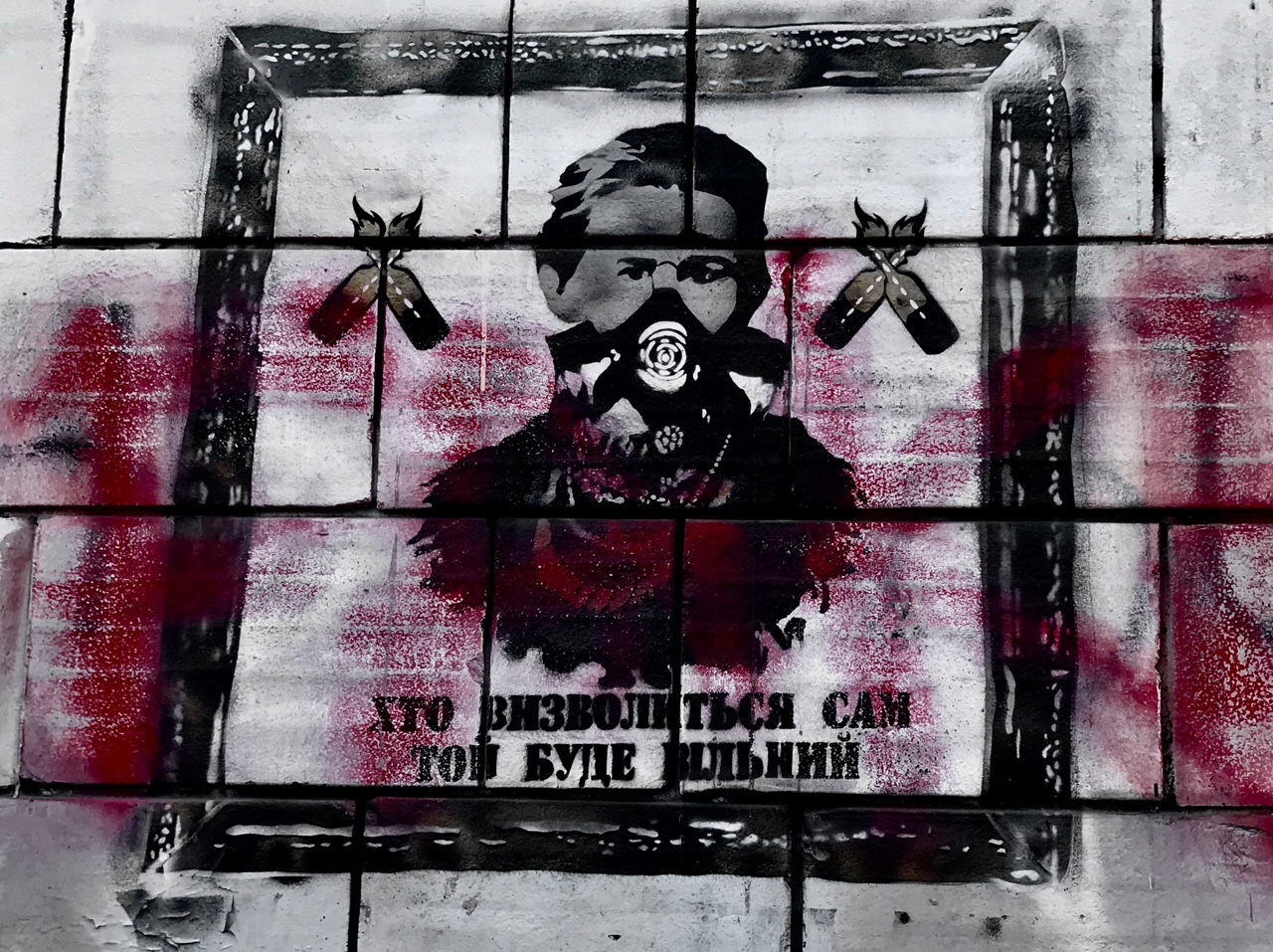
Maybe when you think of revolutions, you think of one’s in the past like the French Revolution or the American Revolution. Well, in this part of the world, revolution is a daily occurrence, with some Ukrainians still fighting their big brother neighboring country Russia for portions of their land, such as Crimea. In late 2013, a revolution erupted on the Maidan, or main square, in Kiev. Over the next several months, partisans fought for Ukraine’s freedoms and to drive repressive forces out of the city. To learn more about the “Revolution of Dignity”, you can join a short walking tour, daily at 10:30 am, or visit the Complex of Heroes at Independence Square.
Of course, there’s so much more to Ukraine than just Kiev and Odessa, but our time was limited and we found these two cities to be fascinating. We hope to get back to Ukraine one day and explore the east and the west parts of the country as well.
Have you visited? What was your favorite part? Let us know in the comments below.












 PalmTreeMusings