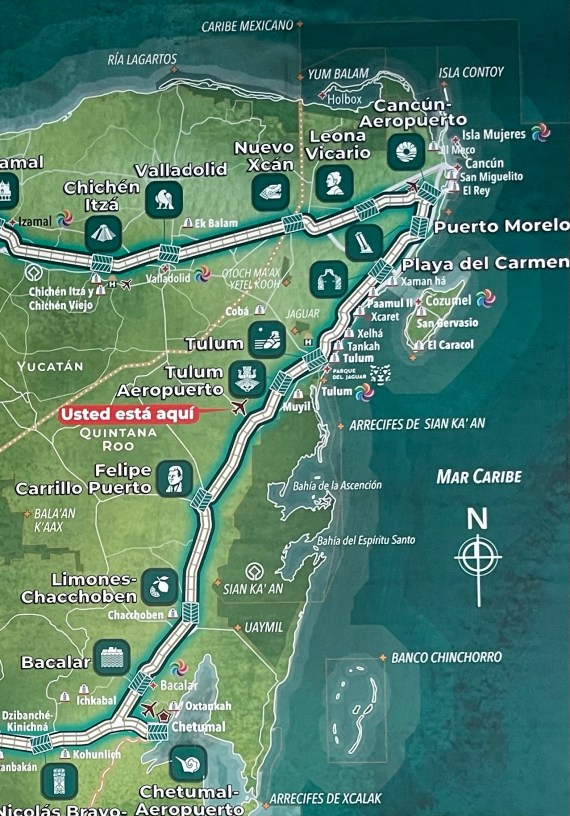
If you’re looking for a solid week of adventure, fun, and food, look no further than the Yucatan Peninsula in Mexico. For ritzy beach and all-inclusive resorts lovers, look to the north end at Holbox, Cancun, Cozumel, and Playa del Carmen. If ‘pueblo magicos’ and dusty beach towns is more your style, consider the southern end, Tulum and Valledolid.
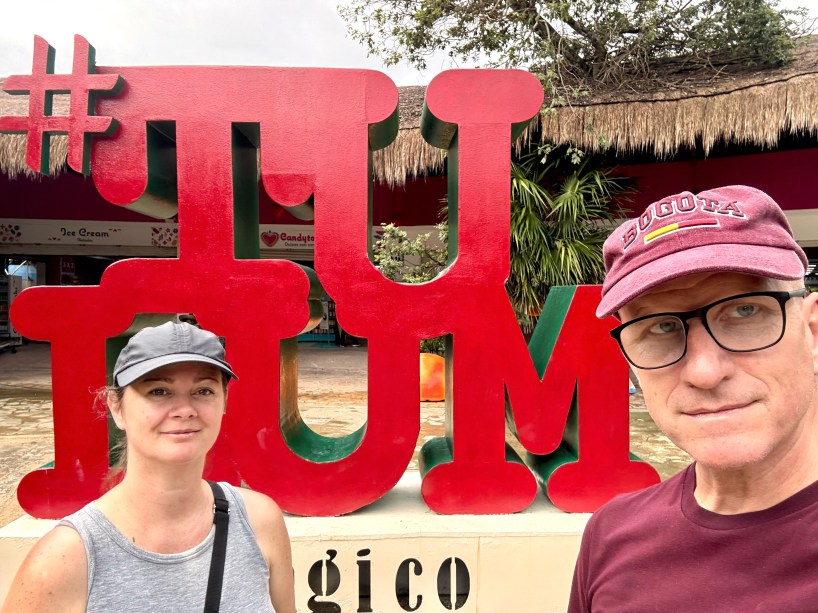
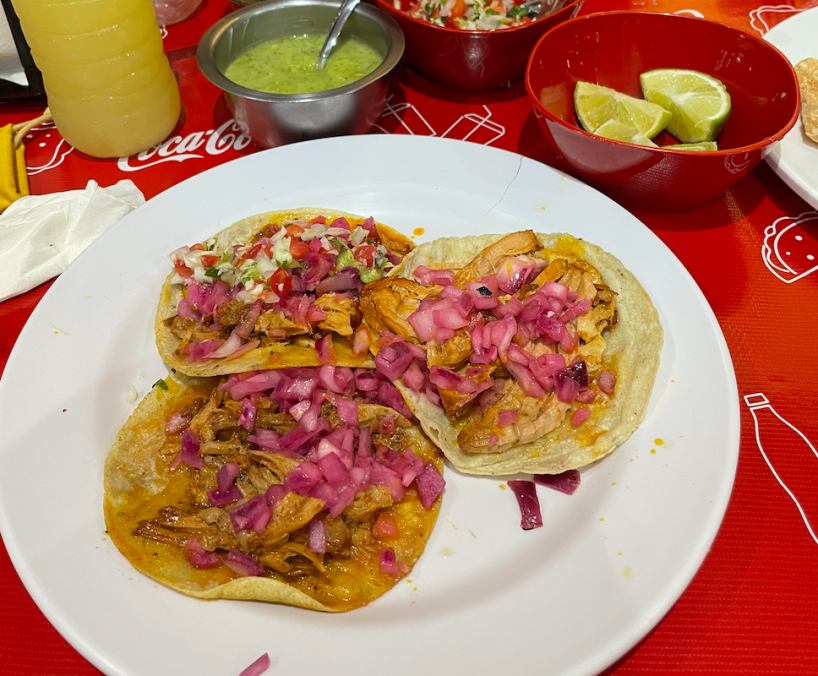
We wanted to visit some Mayan ruins and also dive at some cenotes, so we decided on exploring the quieter side of the Yucatan. We flew into the fairly new Tulum international airport, and hopped on the ADO shuttle bus into town. Our hotel was just two blocks from the bus station, so it was an easy walk to BAU Tulum, a cute boutique hotel. And then the search for tacos and cervezas was on!
Tulum has a nearby international airport, as well as direct bus and train lines to nearby cities and tourist destinations. It has rounded the corner from “sleepy beach town” and is now considered pretty “boho chic” and might be on it’s way to “pricey resort town”. You can still get an inexpensive hotel and dinner out for under 500 Mexican pesos, but you can also visit one of the 8 Michelin-rated restaurants in town and stay at an upscale resort or condo. Tulum has a bit of a focus on health and wellness, so it still attracts a lot of backpackers, local tourists, and off-the-beaten path adventurists. It’s super easy to hop into a collectivo and visit sites north or south of town, or head to the ADO bus station to get a direct bus to Playa del Carmen, Valladolid, or Merida. There is also the Mayan Tren option if you want to take it direct north to Cancun or south to Chetumal.
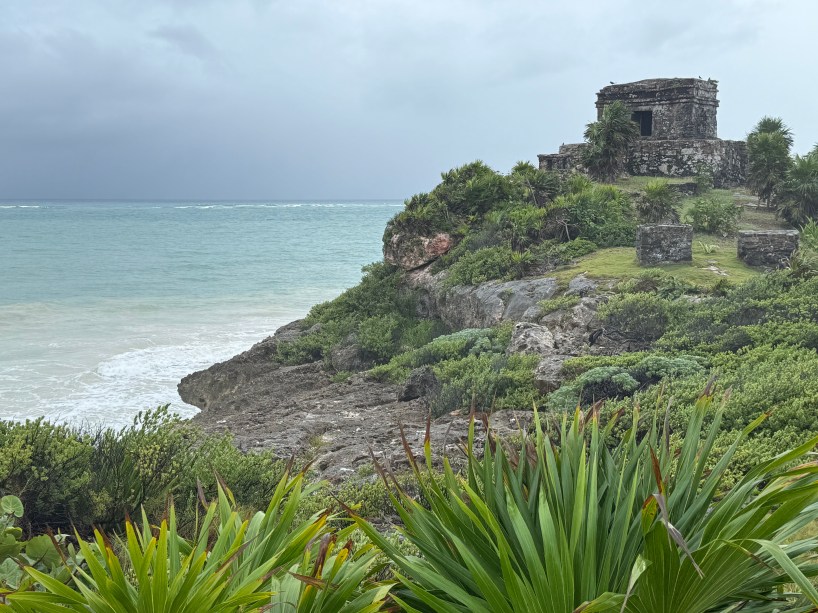
Just north of Tulum is the Tulum Ruins, a Mayan archeological site dating back to the 13th to 15th centuries, called the “City of the Dawn” due to it’s east-facing orientation at the edge of the peninsula. It is considered rare for the Mayans, because it is a walled city. It likely had a population of 1,000 to 2,000 people. It’s fairly easy to visit from the town of Tulum- you can actually walk or bike there from town, or just flag down a collectivo heading north and ask to be let out at the Tulum ruins, which should cost you about 30 pesos per person. Visiting the ruins, unfortunately, is not so inexpensive, and will run you closer to 400 pesos, as it is now part of Mexico’s official INAH (National Institute of Archeology and History). The entry ticket will get you into the museum, the ruins, the lighthouse, Jaguar Park, and a visit to the nearby beach. The ruins are open from 8 am to 5 pm daily.
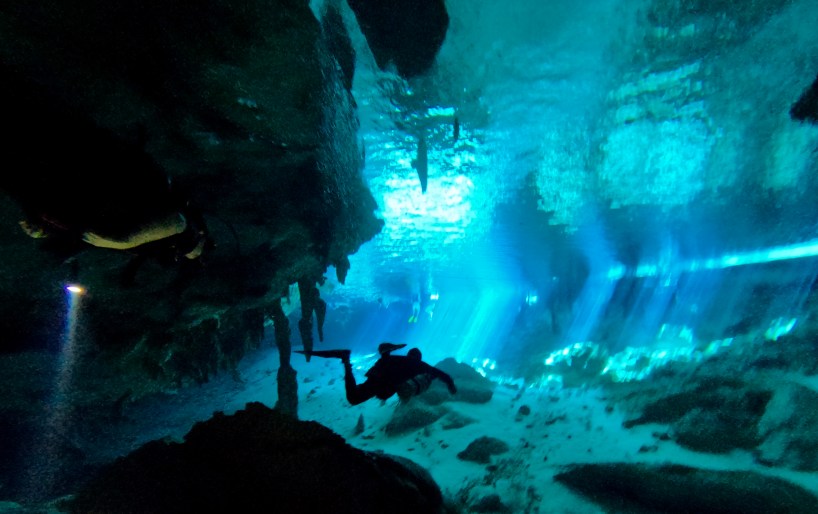
Another fun thing to do while in the area is to visit a cenote and take a swim. These natural sinkholes were formed ages ago by rainwater filtering through limestone caves, some with collapsed ceilings, letting in sunlight and rainwater. Civilizations as far back as the Mayans knew about these freshwater sources, and were considered sacred sites (many cenotes have had human bones excavated from their depths). The Yucatan has more cenotes than any other place in the world. One of the most famous, and most dived, cenotes is Dos Ojos. We contacted a local dive shop, Agua Clara, and they took us on a two-tank dive to this beautiful site. We did two 45-minute dives, swimming from one cenote, through a cave, and then into the other cenote, and then back again. The water was chilly but not freezing (I wore a shorty wetsuit, while Chris dove in just his swim trunks), and the fresh, cold water was stunningly clear. Swimming amongst the stalactites and stalagmites was something I will definitely never forget. What a wonder!
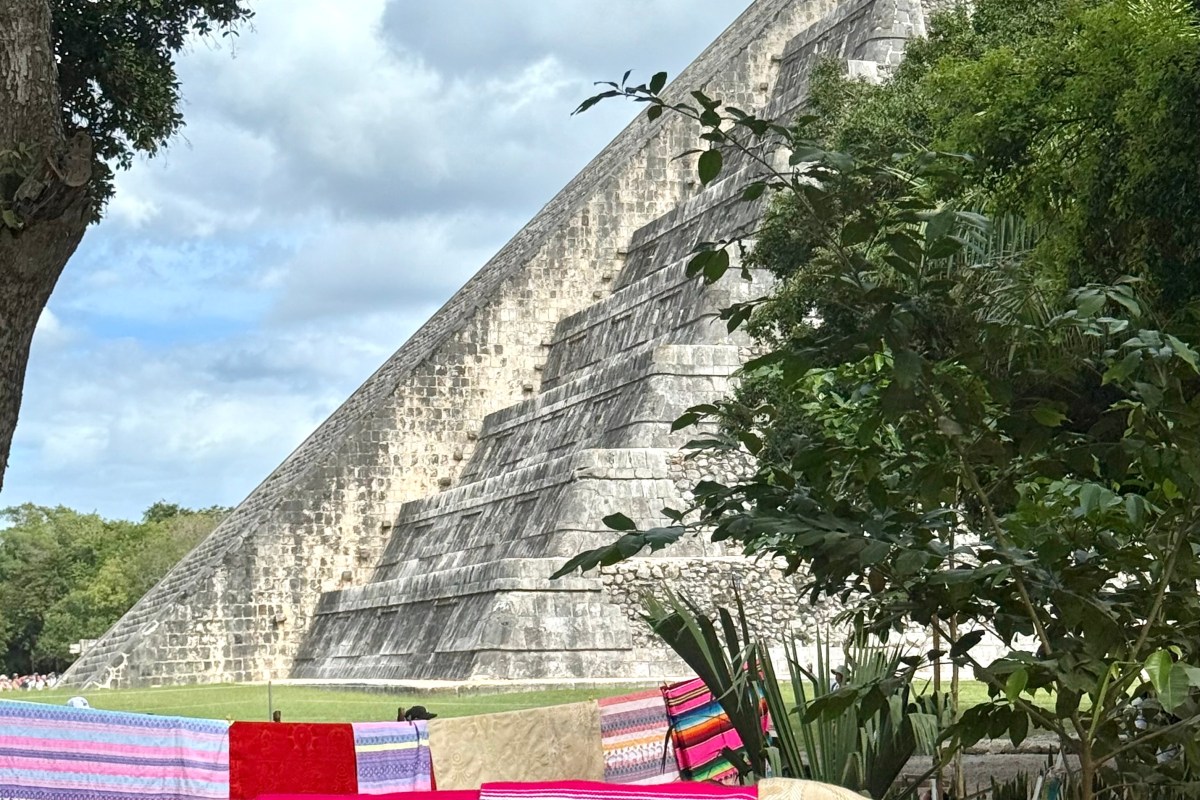
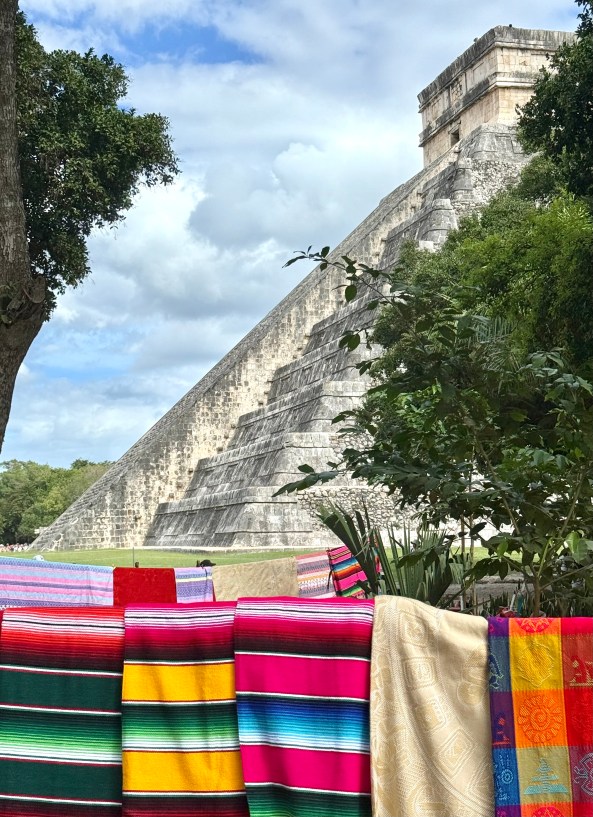
We liked roaming around Tulum a lot, but we wanted to check out Valladolid as well, another of Mexico’s “pueblos magicos”. Buses run daily between Tulum and Valladolid, so it was no problem hopping on one and arriving in the town two hours later. We settled in at Valladolid 48, a hotel/hostel just off the main shopping/dining area, and had a wander through town. The next day, we walked to the collectivo station and for 100 pesos, got a round-trip ticket to Chichen Itza and back (or you can get one that includes a visit to a nearby cenote on the return). The Chichen Itza ruins get pretty busy (and hot in the afternoons), so it’s advisable to go as early as you can. You’ll have to brave long rows of vendors selling everything from jewelry to statues, blankets to macrame, on your way in and out of the archeological site. This one will cost you around 600 pesos each, made in two different payments (one to the federal government of Mexico and one to the local Yucatan government). Once inside, you’ll run the gauntlet of even more vendors, but finally you get to the wide, open area and take a look at “El Castillo”, with 365 steps leading to the top of this four-sided pyramid. All of the monuments at Chichen Itza are roped off, no climbing, no touching, which is probably for the best. If they weren’t roped off, there would probably be a Coca-Cola refreshment stand at the top of one, with a guy selling soapstone pyramid statues next to it.
While in Valladolid, we visited an apiary in an old dried cenote and learned about different kinds of bees, we watched a sound and light show at the old convent church that told the history of the area, and we tried all kinds of different foods and drinks. One of our favorites was actually an Argentinian restaurant that makes their own kombucha and empañadas, called Tresvanbien. I wish we’d had time to visit there again, but the next day we wanted to try another new place, and didn’t regret the dinner at Papillon Taqueria, or drinks at The Mule Cantina in the Calzada de Los Frailles street. It’s close to the bus station and has plenty of options for casual or fine dining, and is a particular gem in the evenings.

Have you visited the Yucatan? Do you prefer the beach, golf, and all-inclusive resorts in the north, or the ruins and the cenotes further south? Got a favorite taco stand you’d like to share? Tell us all about it.
 PalmTreeMusings