Trying to get a vacation as well as a free trip back to work this year, I worked out a dope deal where I pieced together a flight to Spain, and then a flight from Morocco to Sudan, paid for by work, while I would travel in between on my own for a few weeks. Unfortunately I had to also work on a summer school graduate class, which resulted in me having to work on assignments each day and having to constantly look for wifi and electrical outlets, but I was able to have a fabulous vacation, finish my class, and get back to work in time for the school year to begin. Success!
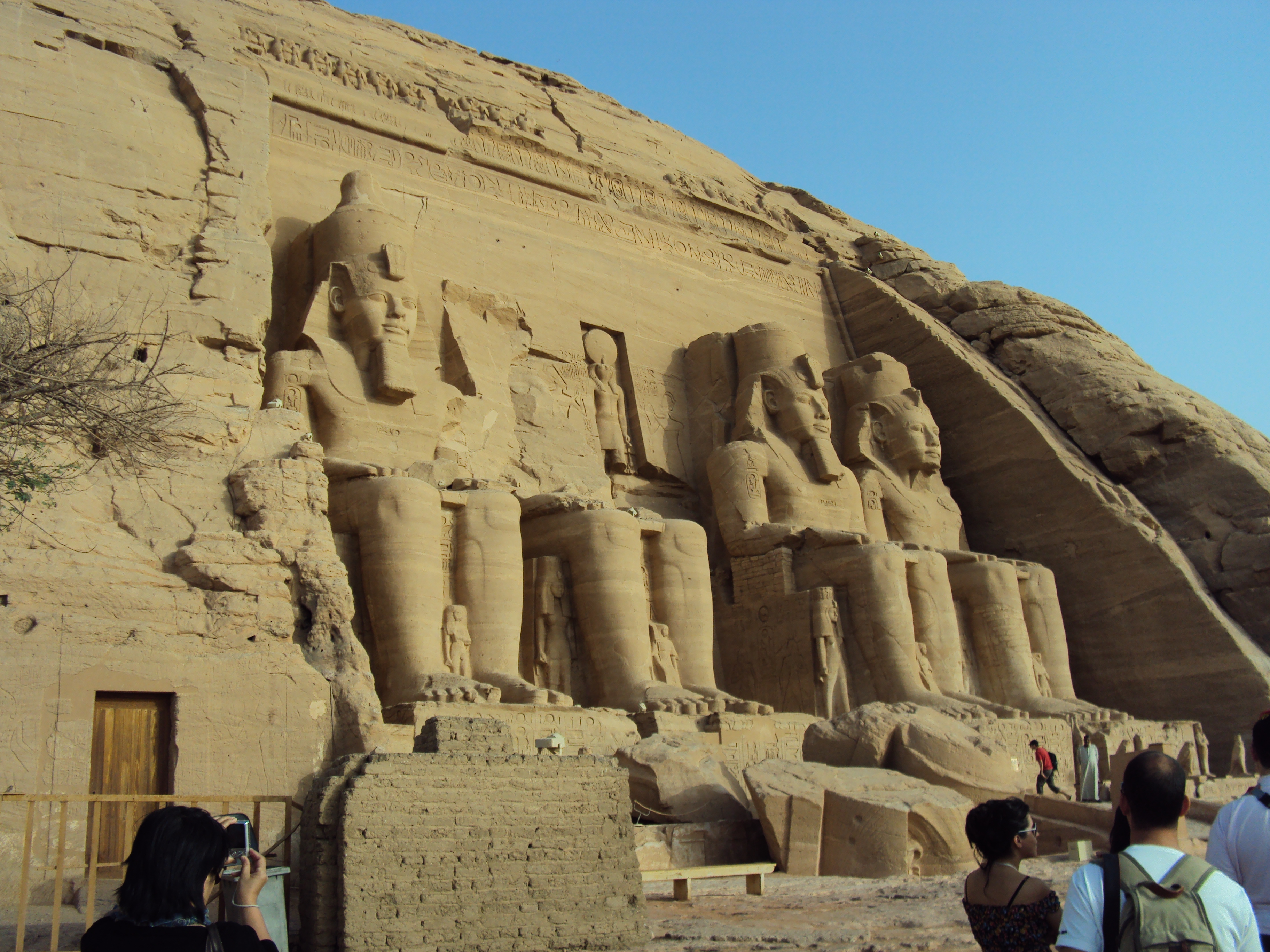
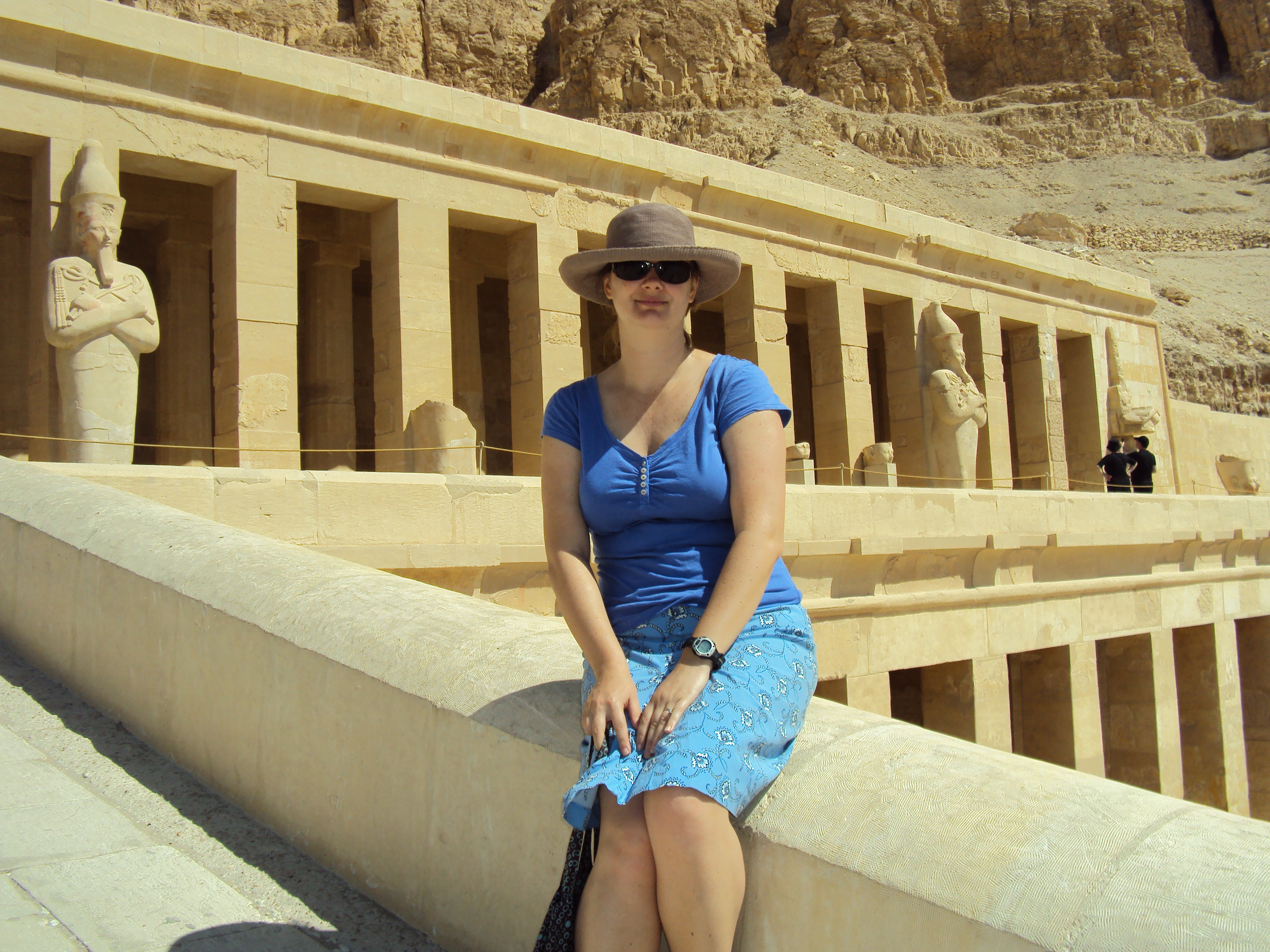
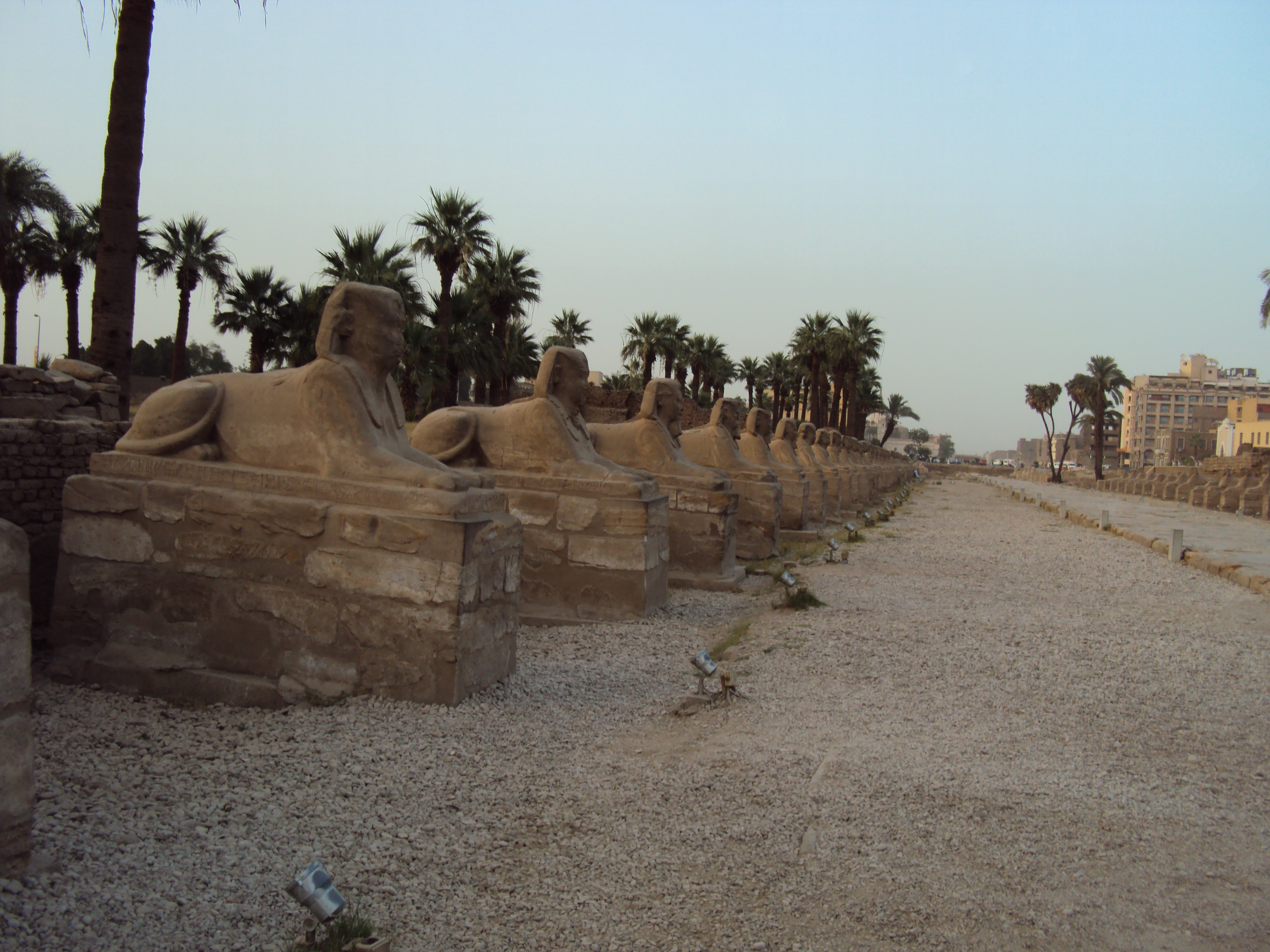
I fulfilled a life-long dream this summer by going to Egypt and really taking some time to enjoy its wonders. As soon as school ended for summer break, I hopped onto a flight from Khartoum to Cairo, then on to Luxor. I spent a week in Luxor and Aswan, staying with my friend Joy at her house in Luxor..the blue ribbon of the Nile, the green palm trees, and the golden desert beyond was just like every description I’ve ever read in books. I visited tombs, temples, and funerary complexes such as Luxor Temple, Karnak Temple, Valley of the Kings, the Ramesseum, and of course the architectural marvel of Abu Simbel, down on Lake Nasser. They were all amazing and I could hardly keep myself from snapping a picture every two feet.
Upper Egypt: Luxor, Aswan, Abu Simbel
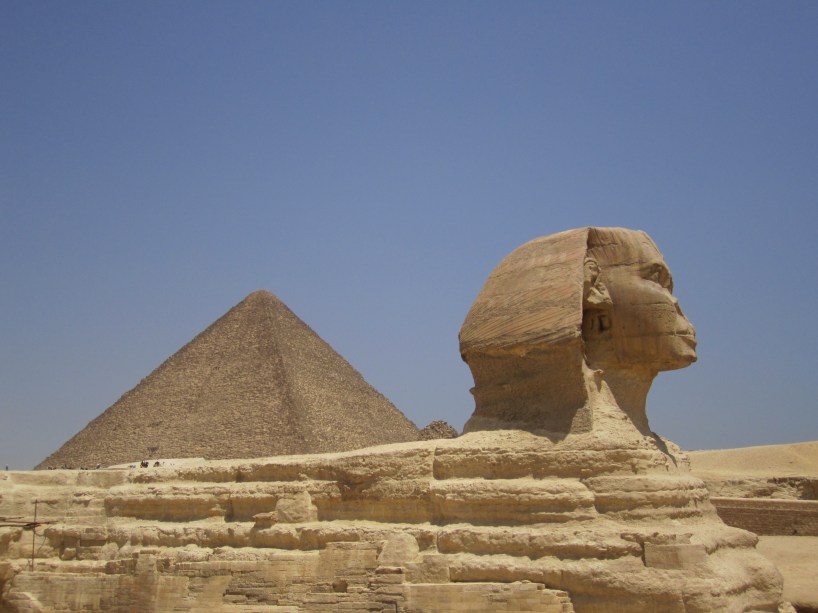
After a week of visiting southern Egypt, I flew up to Cairo and arrived at the same time as Ken, a friend of mine who was just as excited about coming to Egypt as I was. We walked around the city for two days, visiting perfume shops and of course the Egyptian Museum. I wanted to see and touch every one of their 200,000 artifacts but in reality we only made it through a half day visit. We boated around the Nile and got crazy lost in the city, thoroughly enjoying ourselves. We hired a car and visited the pyramids- Saqqara, Dzoser, the Bent, the Red, and of course Giza and the Sphinx. It was a magical day and I couldn’t believe I was really there.
The Py
Ready to leave the city, Ken and I headed to the Western Desert for a night of camping, bedouin style. We met up with a group of other travelers, loaded up a jeep, and spun around the desert for a while. We slept under the stars with rugs and carpets beneath us and rugs as walls to block out the wind, gazing at a fire and feeding scraps from our dinner to the desert foxes who came over to check us out.
Camping in the White Desert
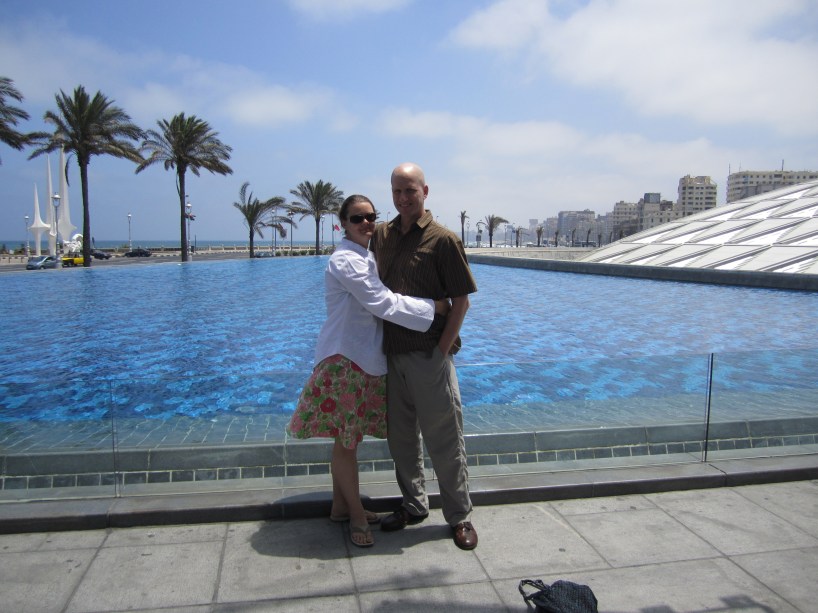
The day Ken left, Chris arrived from Sudan, and the three of us went to Alexandria. We walked around the western harbor and imagined the city in the days of the Ptolemies. Ken left that evening and Chris and I went scuba diving the next morning. We stood on top of the tumbled granite blocks from the famed Lighthouse at Alexandria and swam among the amphorae spilled overboard from Roman and Greek ships. We saw the ruins of what they believe was Cleopatra’s palace and looked at the Pharoanic, Greek, and Roman columns left in the sea.
Alexandria, Egypt
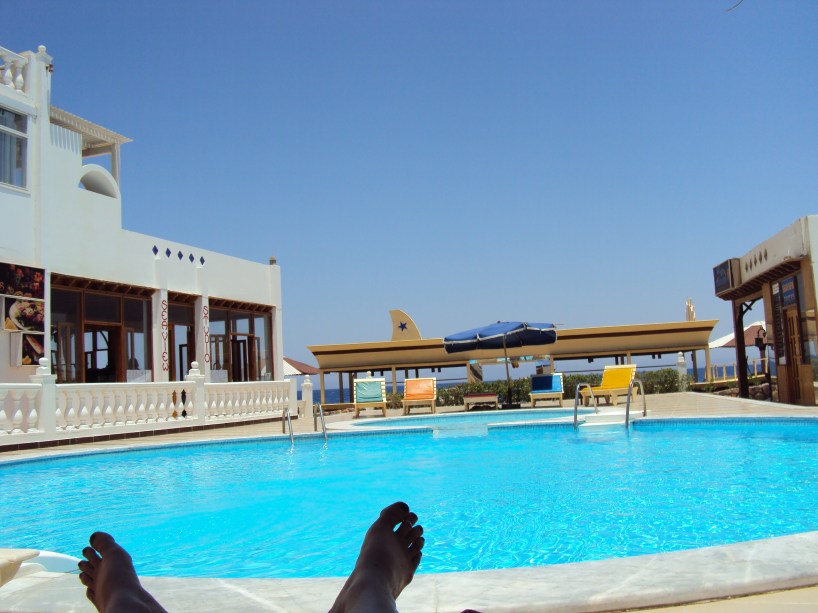
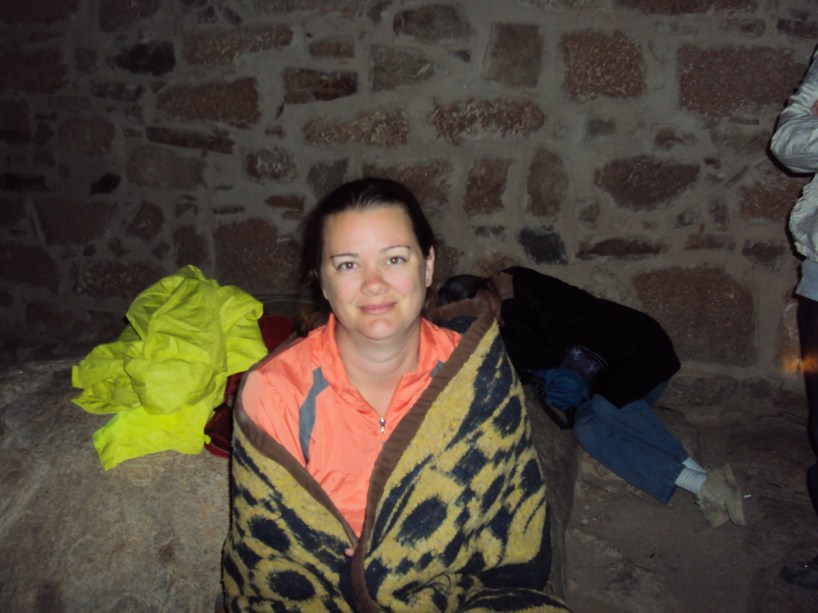
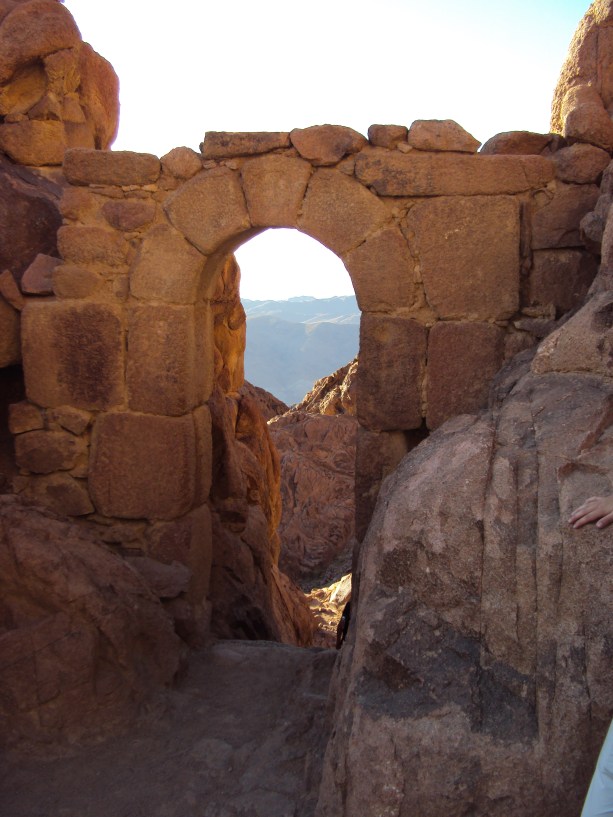
After Chris left, I flew to Sharm El Sheikh and grabbed a ride up to Dahab, scuba capital and basic beach bum hang around of the Sinai. Two days of soaking up the sun and the relaxed atmosphere of Dahab by day, sitting in hookah lounges at the edge of the water by night, had me in a great state of mind. I took an overnight trip to St. Katherine’s monastery, built around the famous burning bush, and hiked up Mt. Sinai in the middle of the night to be there at dawn. It was quite a trip and it took two more days of laying around Dahab to sufficiently recover.
Dahab and the Sinai
My vacation time almost over, I had just enough time to fit in a two day trip to Petra to see the awesome carved rock canyon. I felt just like Indiana Jones as I walked down the narrow path, watching it slowly open up to the chiseled features of The Treasury, an amazing facade carved by the Nabateans around the time of Christ. The natural colors of pigmentation running through the rock combined with the detailed carvings make for a sight not to be forgotten.
Petra, Jordan
By the time I returned to Cairo and prepared for my flights back to Sudan, Dubai, and finally Texas, I was ready to go home and spend some time with my family. However, I loved every minute I was in Egypt and it was a trip I will never forget.
I finally got the chance to go to Turkey, a country I have always wanted to visit. My school needed an extra chaperone for a student trip, so I agreed to go. But then, they needed one less chaperone, so they paid for my flight (because I had already committed the week to the school) but I didn’t have to chaperone any kids. Bonus!!
Istanbul is certainly a fascinating city. I have never been to a place that has more hotels- but they are for the most part small boutique hotels rather than huge nondescript ones. A bit like all the small ones dotted throughout the French Quarter, but even better.
The Hagia Sophia
The other great thing about Istanbul is the food. A wonderful blend of Eastern and Western, traditional and fast food. A great delight for someone coming from Sudan and suddenly craving a Big Mac. Yes, I admit it.
A delightful juice bar at the market
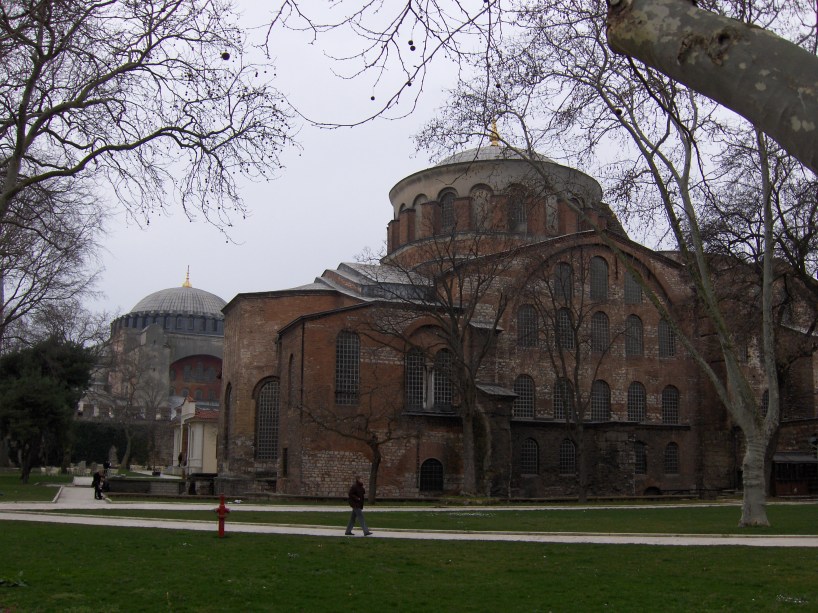
Istanbul has so many great sites to see that it is impossible to write about them all. Of course the Hagia Sophia and the Blue Mosque were first on my list. The sheer age of those buildings is just staggering. A couple of walks through the Grand Bazaar, although I didn’t get to go to the Spice Bazaar as I had wanted. Not one but two trips to the Hammam, the old Turkish bath. A new experience for me and completely enjoyable. I could have stayed all day, it was just a desire for more food and more sightseeing that finally pulled me out of the steamy marble baths and back into the cold day. Because yes, it was quite cold in Istanbul, particularly as here in Khartoum we had already been getting up into the 90’s.
The Grand Bazaar
The Blue Mosque
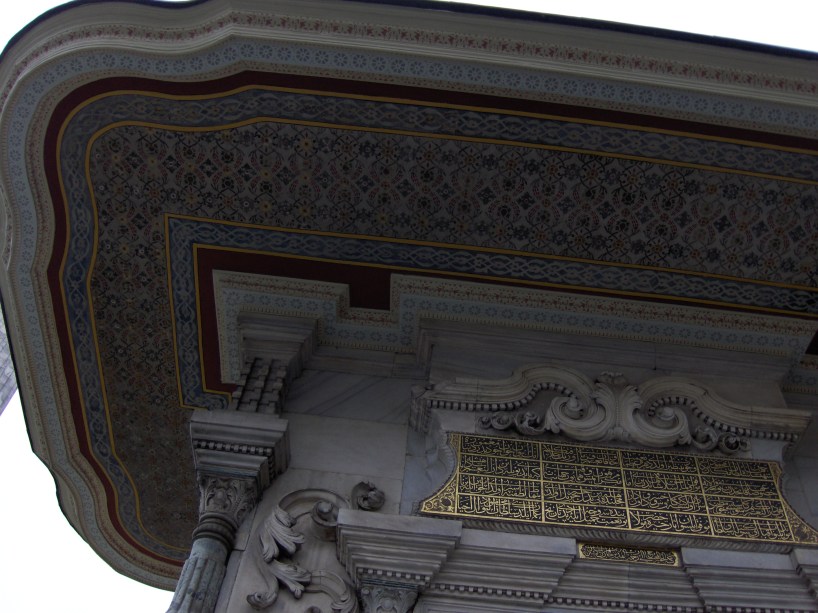
There are many palaces of the Turkish and Ottomon empire dotted around the city of Istanbul- great places to view the architecture as well as amazing collections of jewels and chandeliers, rugs and furniture that great rulers habitually give each other as gifts. Wish I had friends like that!
A cruise along the Bosphorus, with a view of Europe to one side and Asia on the other- Istanbul is truly a city that spans two continents as well as two cultures. Outside of the city, a quick bus trip to Bursa, the silk capital, and a visit to the Silk Market to pick up ties and pashminas made of pure silk.
Deah on the Bosphorus
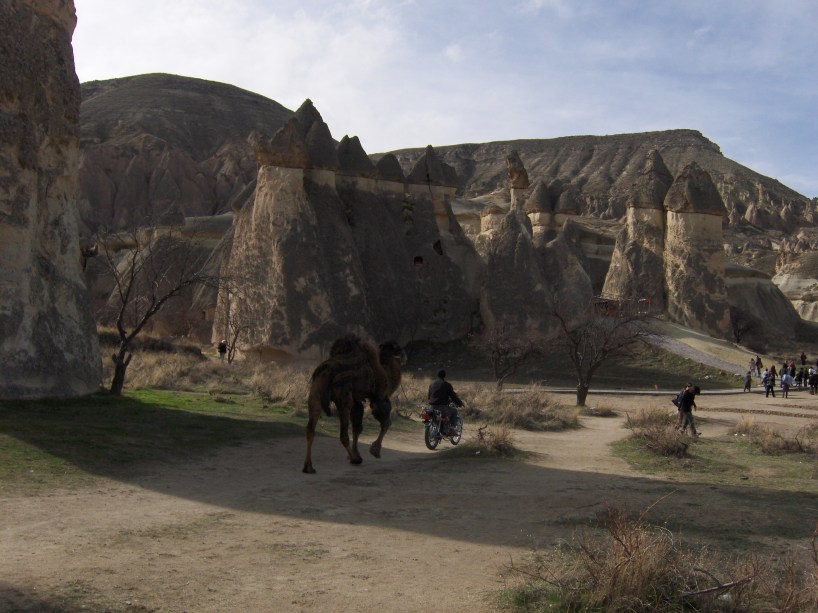
One area of Turkey that is rated as a “must-see” is Cappadoccia, home of the underground cave cities and the fairy tale chimneys, a geological formation. A great two days in the area seeing some amazing sights.
Cappadoccia
I didn’t get a chance to go to Ephesus or Troy- hopefully one day I’ll take a cruise of the Greece and Turkey coastline that will make a stop at those places. I would love to see the ruins of Troy. For the time being, I’m just pleased that my week of “chaperoning” a school trip to Turkey turned out so delightful.
My first job teaching in Texas was sixth grade World Geography. The textbook we used had a picture of some amazing rock-hewn churches in Ethiopia, and one of my students asked me if I had ever been there. At that moment, I knew I wanted to visit that place one day.
Lalibela Churches
Very soon after I arrived in Sudan, two of my colleagues mentioned that they were going to Ethiopia over Christmas break. “Oh, I want to go too”, I said, basically inviting myself along. I think maybe they thought I was kidding, as I had just met them. But no, I was serious, and on December 19th, four of us left Khartoum- by bus, no less- to head for Ethiopia for twelve days of touring.
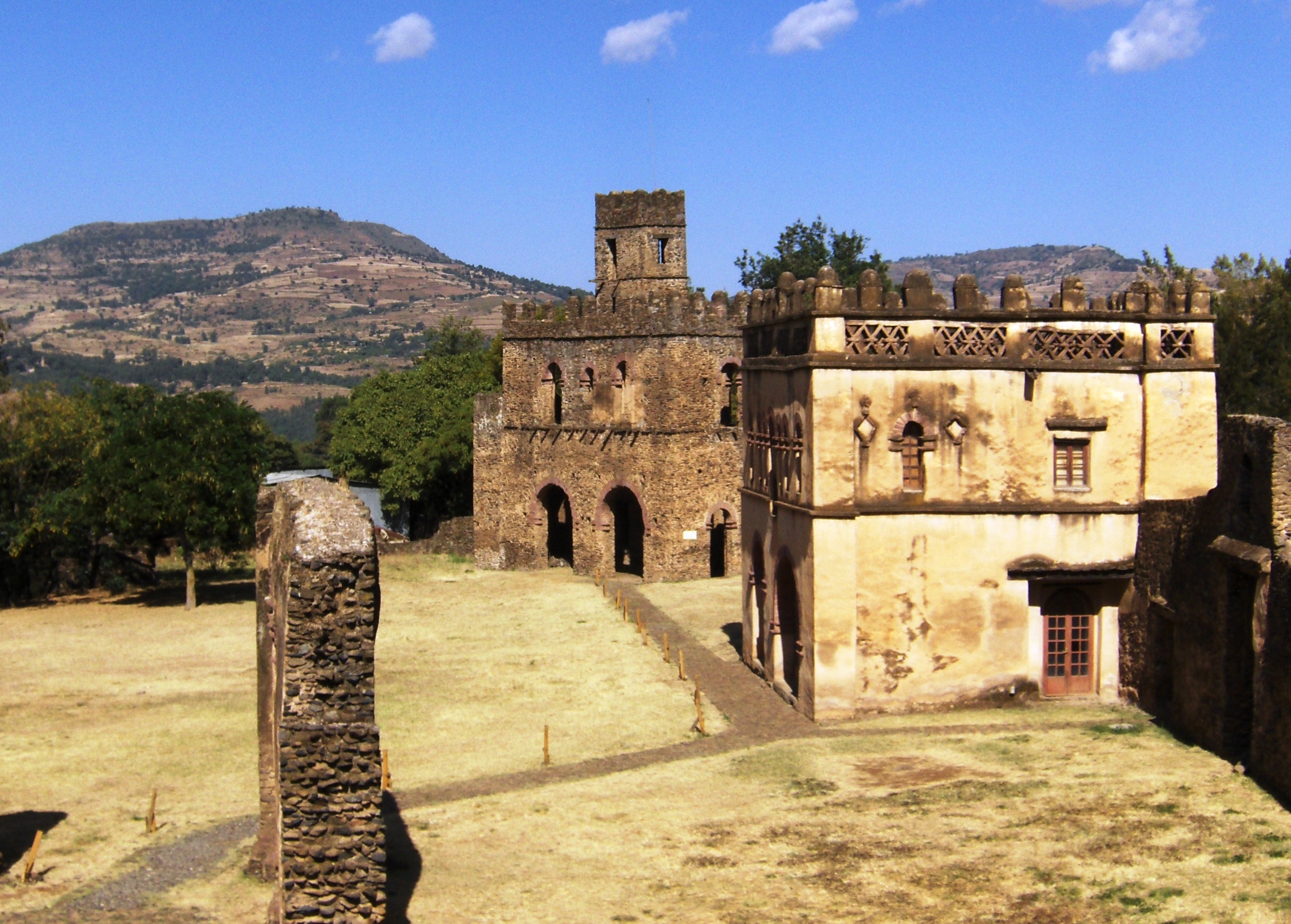
The bus was fairly horrendous and the first night’s stay at a border town was awful (it involved a donkey cart and sleeping at a brothel). But it quickly picked up as we visited the town of Gondar, known as the “Camelot of Africa” because of the 17th century ruins of nearly a dozen castles scattered around town. We enjoyed the cool weather and the quiet atmosphere of the ruins as we roamed around with our guidebook and Hussam as our almost-local helper.
Debre Birhan Selassie Church
Gondar: The Camelot of Africa
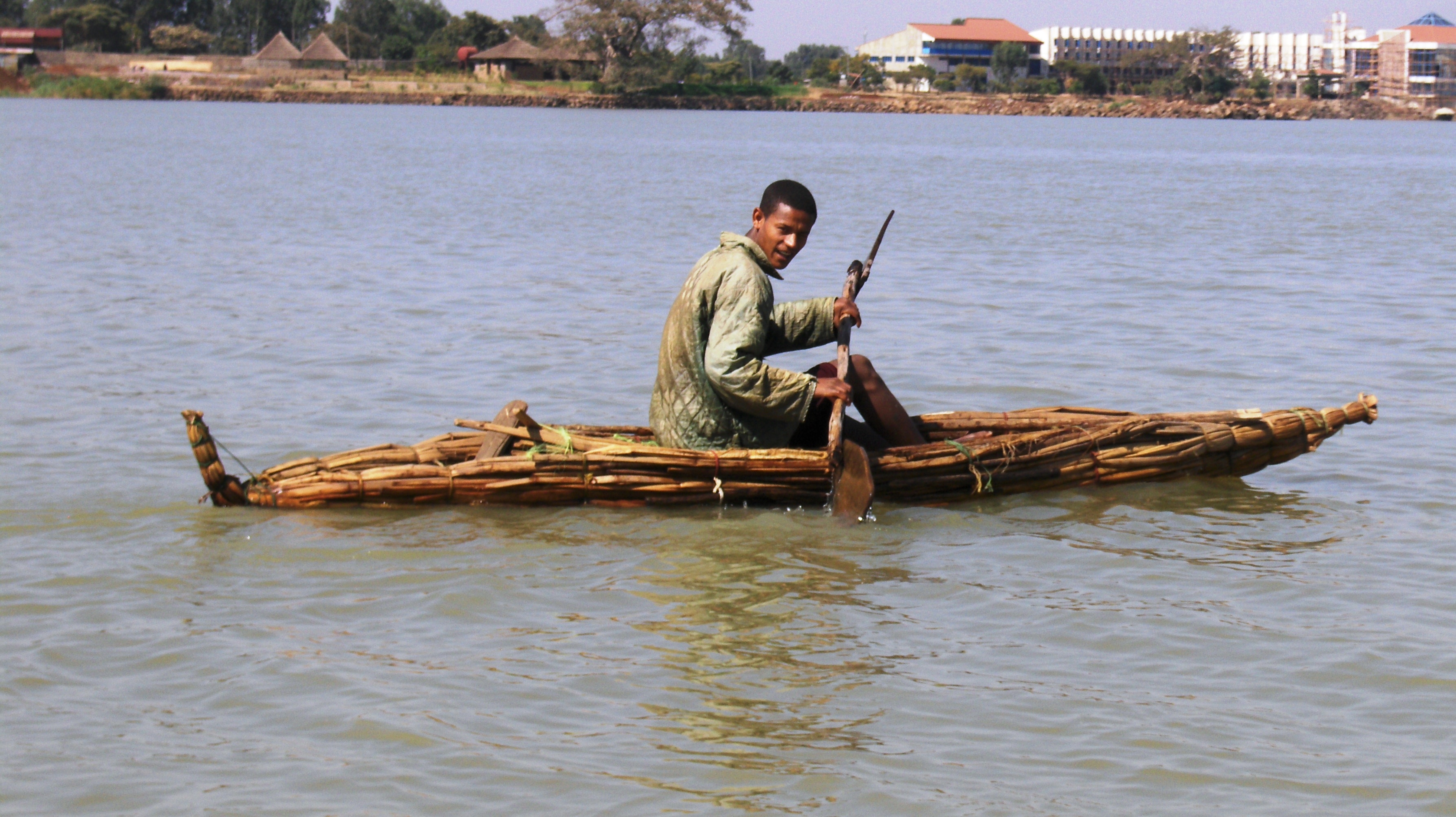
After Gondar, we boarded another bus heading south to Bahar Dar, a small town that sits at the southern edge of Lake Tana: the source of the Blue Nile river (which then flows into Sudan and ultimately Egypt). At Bahar Dar we hired a small boat to take us to see several island monasteries scattered throughout the lake. Some of them have ancient manuscripts and other Orthodox Christian treasures still. We also ventured out to Tis Isat, the waterfall that marks the actual source of the Blue Nile.
A papyrus boat on Lake TanaCoffee at the Lake Tana Waterfall
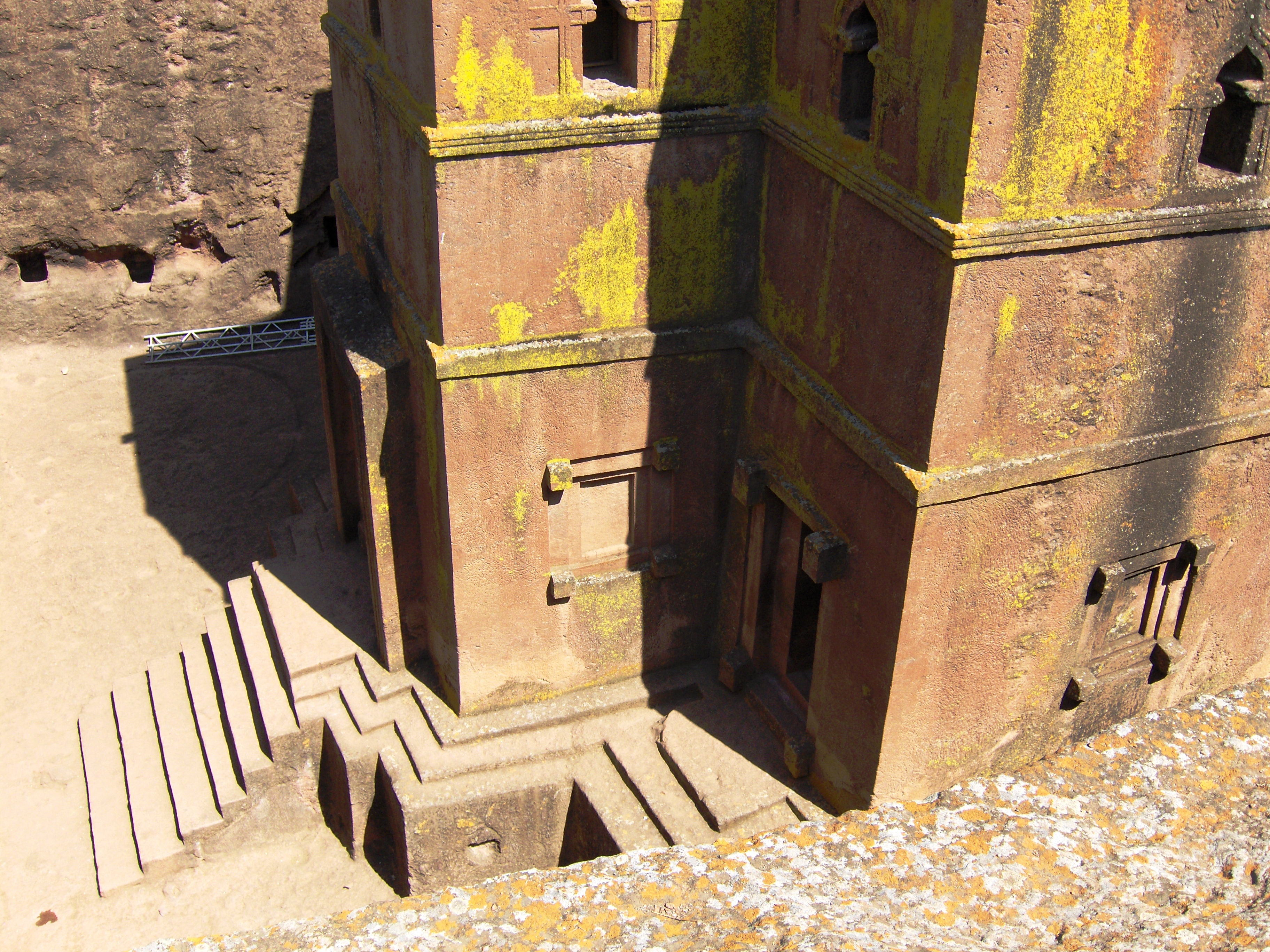
Finally we arrived in Lalibela, home of the 11 churches, hand-carved out of rock in the 13th century. Amazing sight. And how were they made so quickly, so perfectly? No one knows. The pilgrimages of white-robed Ethiopian Christians to the rock churches is truly a sight to behold.
Lalibela, EthiopiaLalibela
We really enjoyed our time in Lalibela, with the exception of Christmas Eve, when I got very sick and had to go to the hospital. Which is a whole crazy story in and of itself! All I can say is thank goodness we had eaten Christmas Eve dinner at a fancy hotel and I had made friends with a doctor from Medicins Sans Frontieres. But, several hours later, it all turned out just fine after an ambulance ride and a surprisingly inexpensive shot of something that made me stop vomiting (thank goodness).
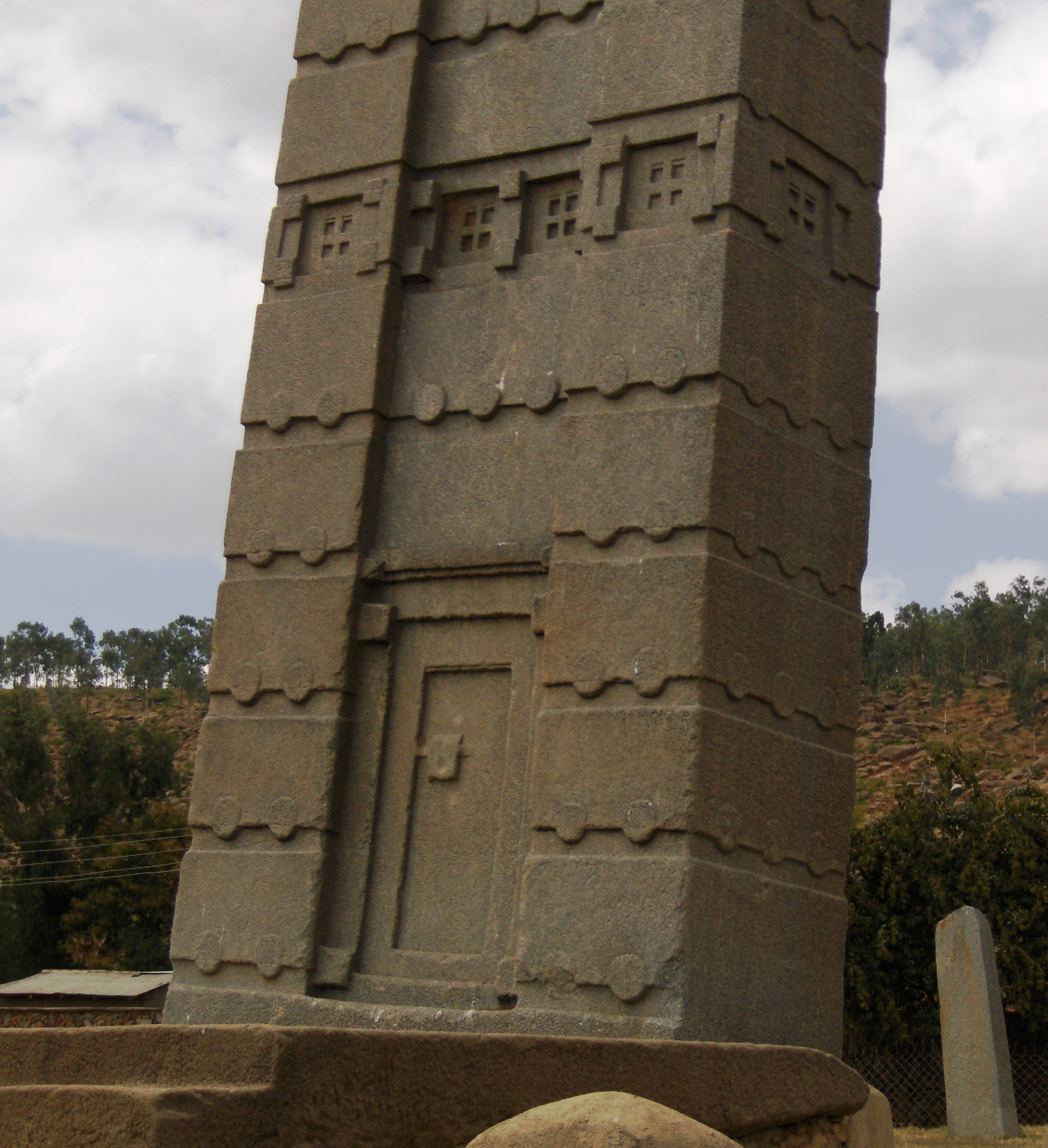
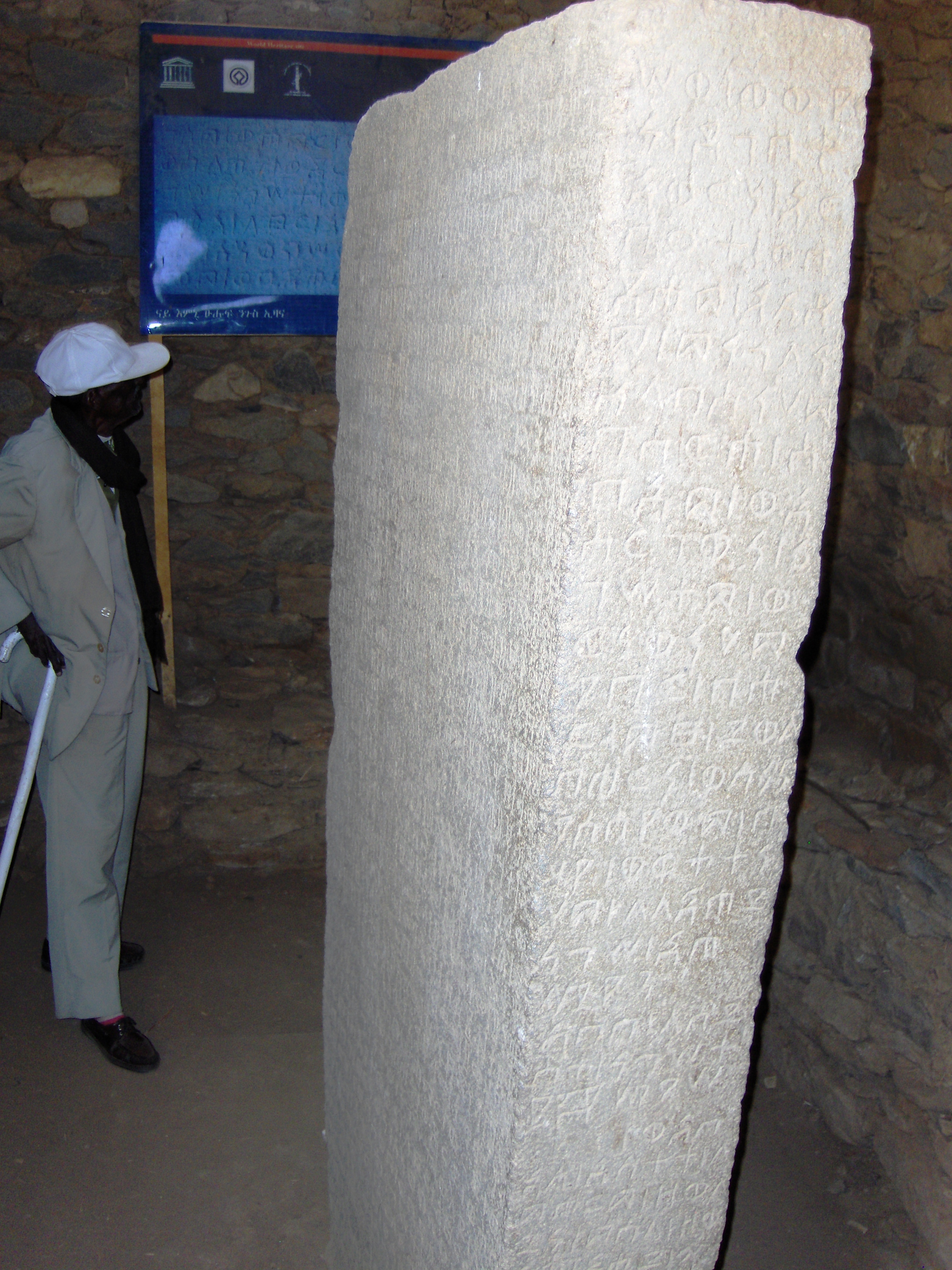
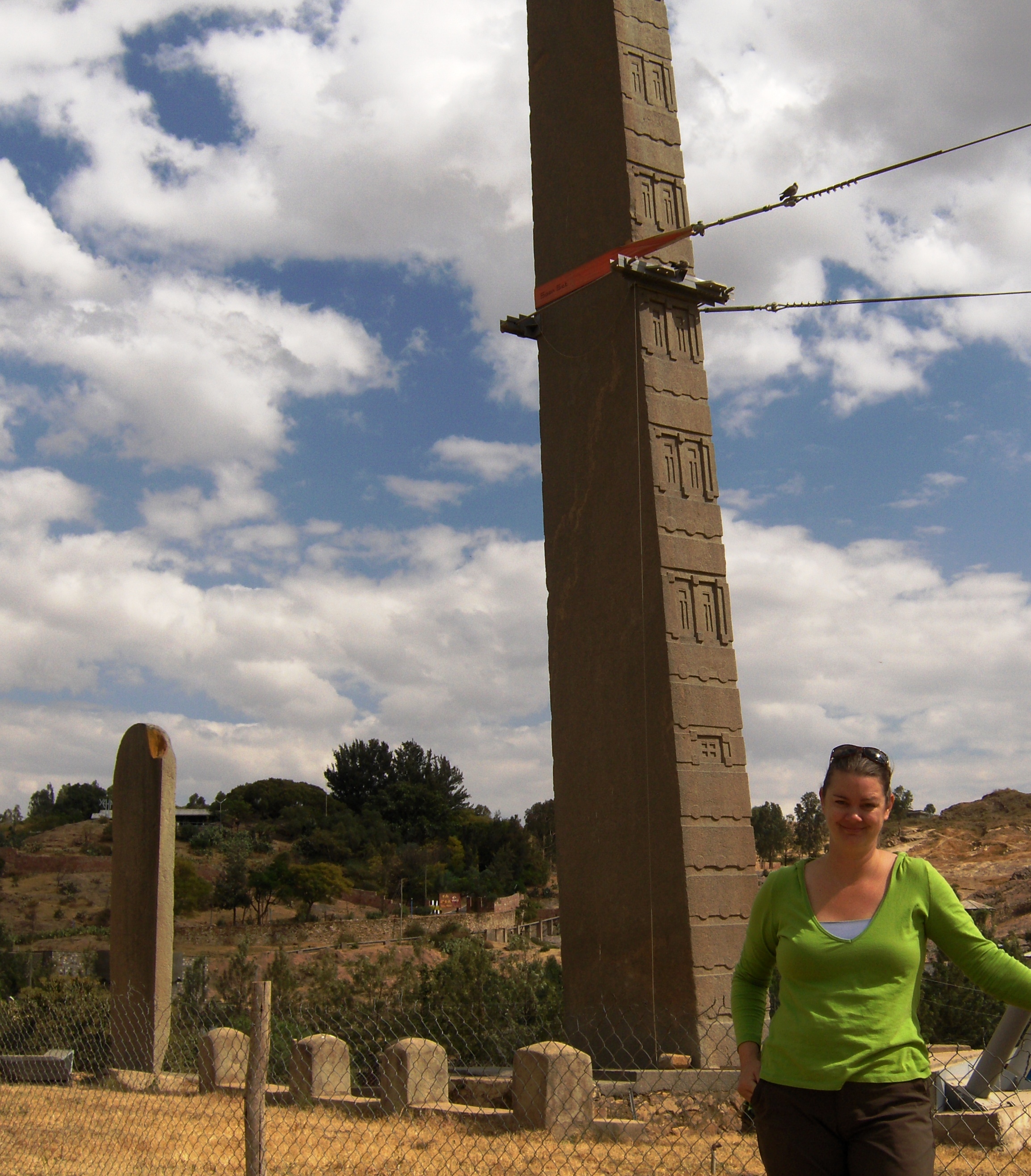
Tired of busing around, I hopped on a flight to Axum by myself to take a quick glimpse of the giant stelae, the tall stone obelisks that were raised two thousand years ago. Made by pre-Christian groups living in the area, no one is completely sure what purpose they served. But they are incredible to look at and wonder about. How can a society that lives in small grass huts build 45 meter tall obelisks that are carved to look like 13-story apartment buildings? A mystery. And of course- the ark of the covenant. Is it there? Axumites swear it is, and even have a guard posted at the small church building its purported to be in.
Is the ark of the covenant truly in this building? Ethiopians say yes.
Stele at Axum, EthiopiaTri-Lingual tablet at AxumDeah at Axum
After Axum, I took a direct flight down to Addis Ababa, and spent the final couple of days with my travel companions. Addis was… disappointing. Although it is much cooler weather than Khartoum, and I did get to partake in the hot water mineral baths that gave Addis their name! Someday I hope to go back to Ethiopia and take a tour of the southern half of the country as well. Some amazing sights to see there, as well as the cradle of all civiliation. All in all, a delightful Christmas holiday, and a welcome break from life in Sudan.🇸🇩
I flew into Kampala, the capital of Uganda, on December 29th. Chris had arrived the day before for a work meeting. I got a taxi into the city and found him at our hotel, the lovely Kampala Serena. It felt great to have a little luxury after 10 days backpacking in Ethiopia. Kampala is a nice, fairly small and clean capital city- but big enough to have a movie theater, which we hadn’t visited in quite a while! We went to see Avatar and had dinner out in the city.
Kampala, UgandaThe equator in Uganda
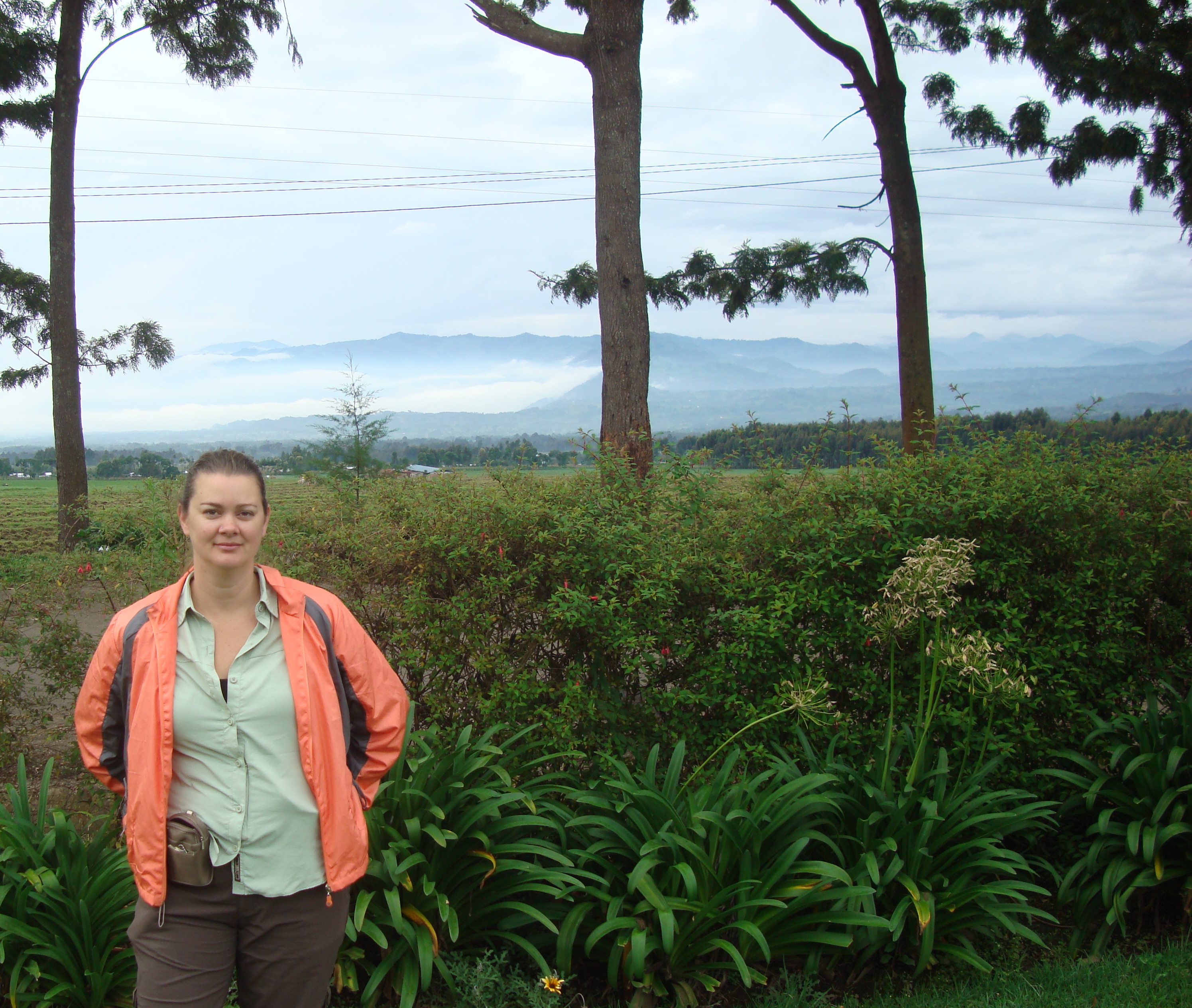
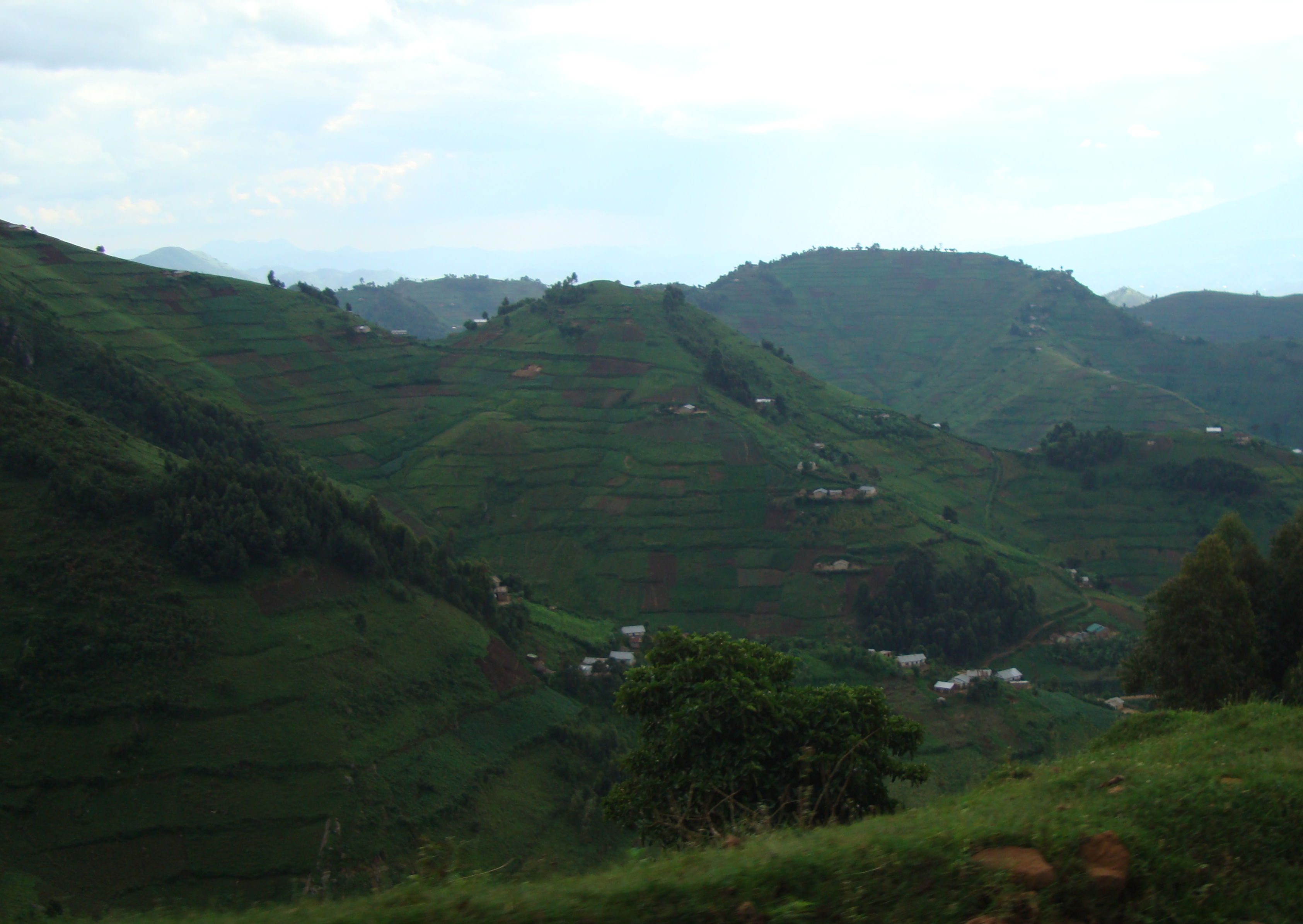
On the 31st, our driver picked us up and drove us to the southwestern edge of Uganda, right next to Bwindi Impenetrable Forest (home to the Ugandan mountain gorillas). The scenery the whole way was beautiful and although the drive was long, it was totally worth taking the time. Around 6 pm we crossed the border into Rwanda, and found ourselves just outside of Volcano National Park (home to the Rwandan mountain gorillas). Essentially the same mountain range runs through Congo, Rwanda, and Uganda, and the gorillas migrate between the three. Tourists can visit the mountain gorillas through either of the three countries, but costs and procedures will vary. Our permits cost us $500 for the day, as they were discounted for “low” season.
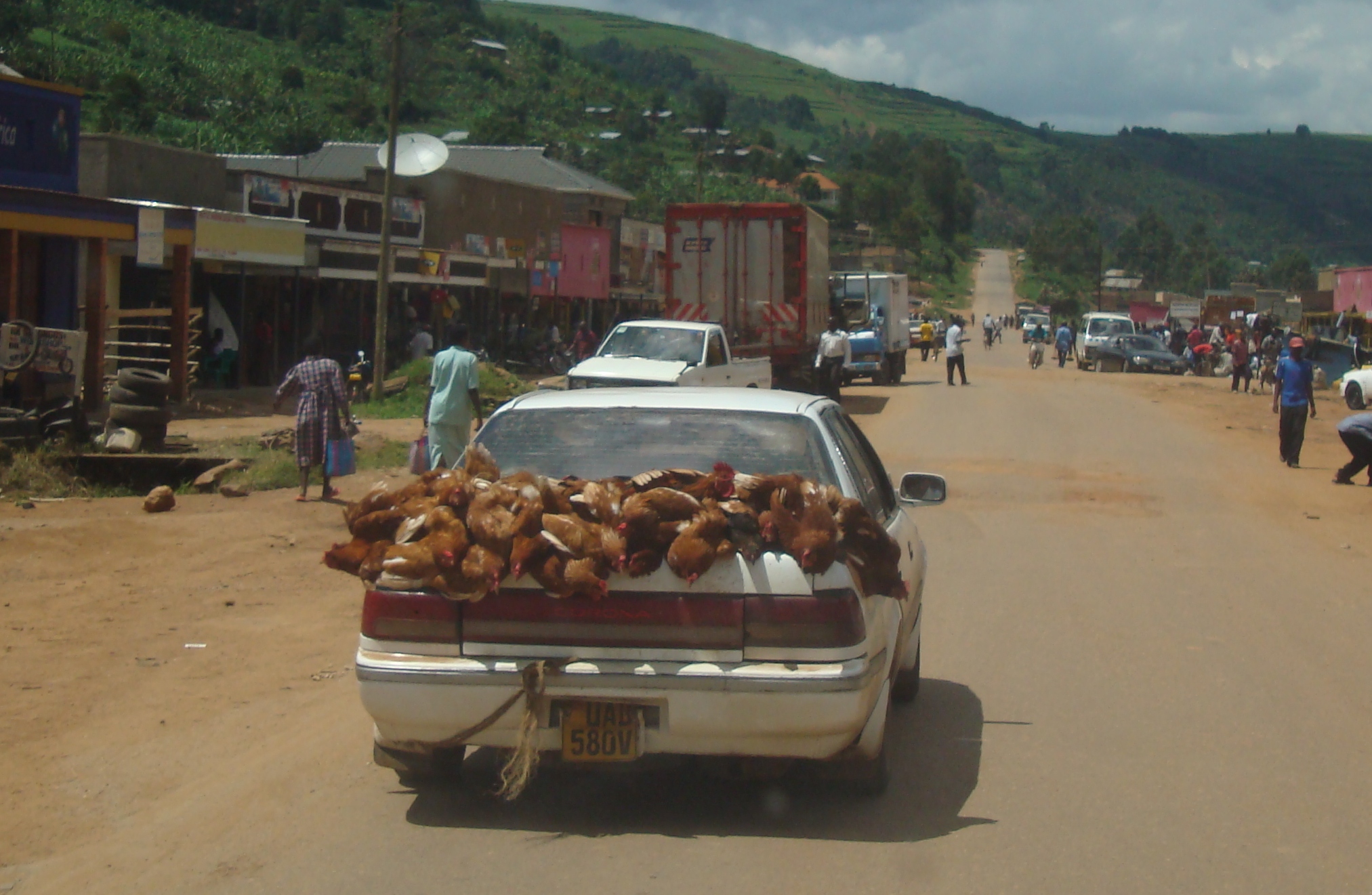
You never know what you’ll see next on a drive across Uganda
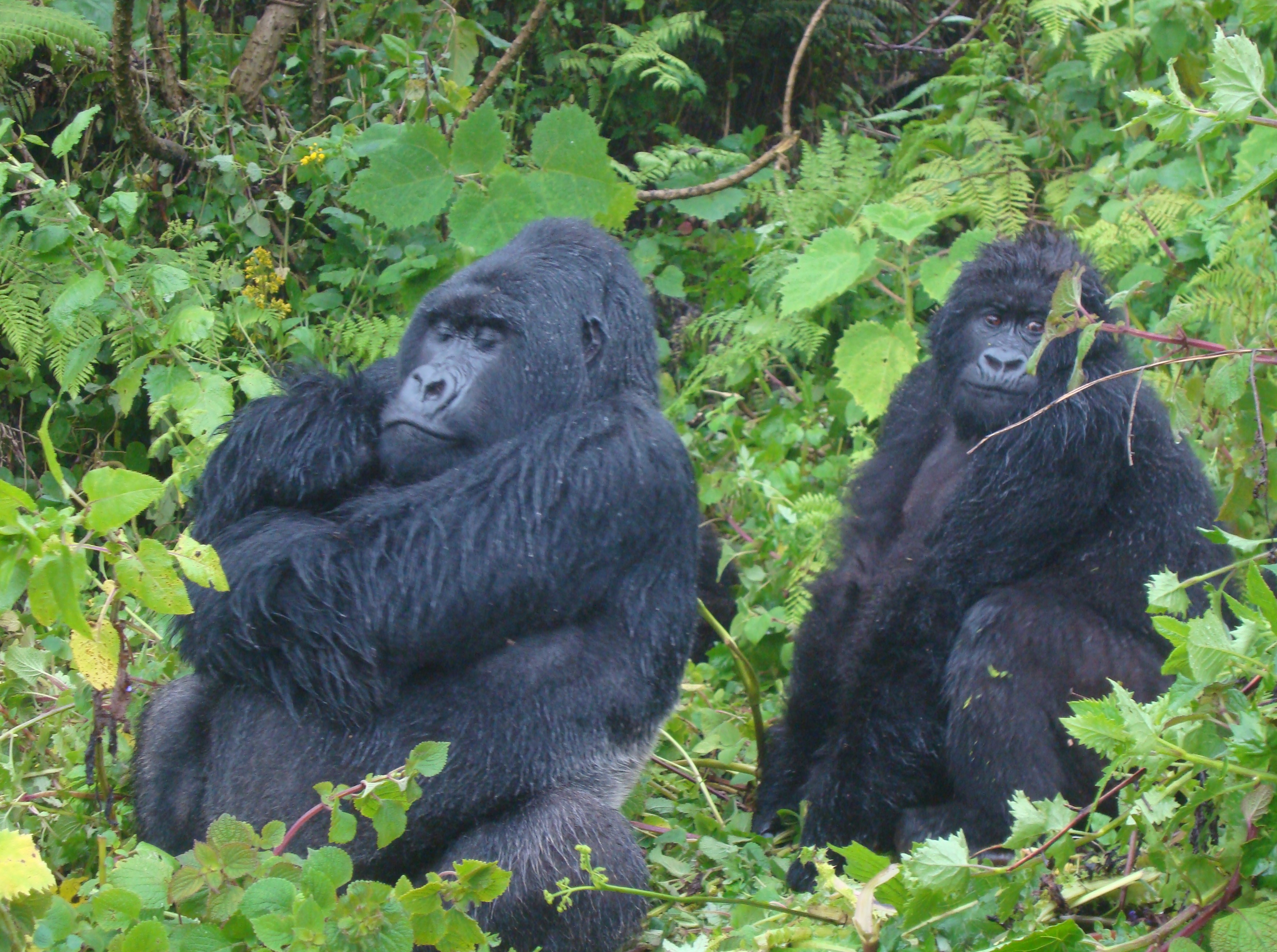
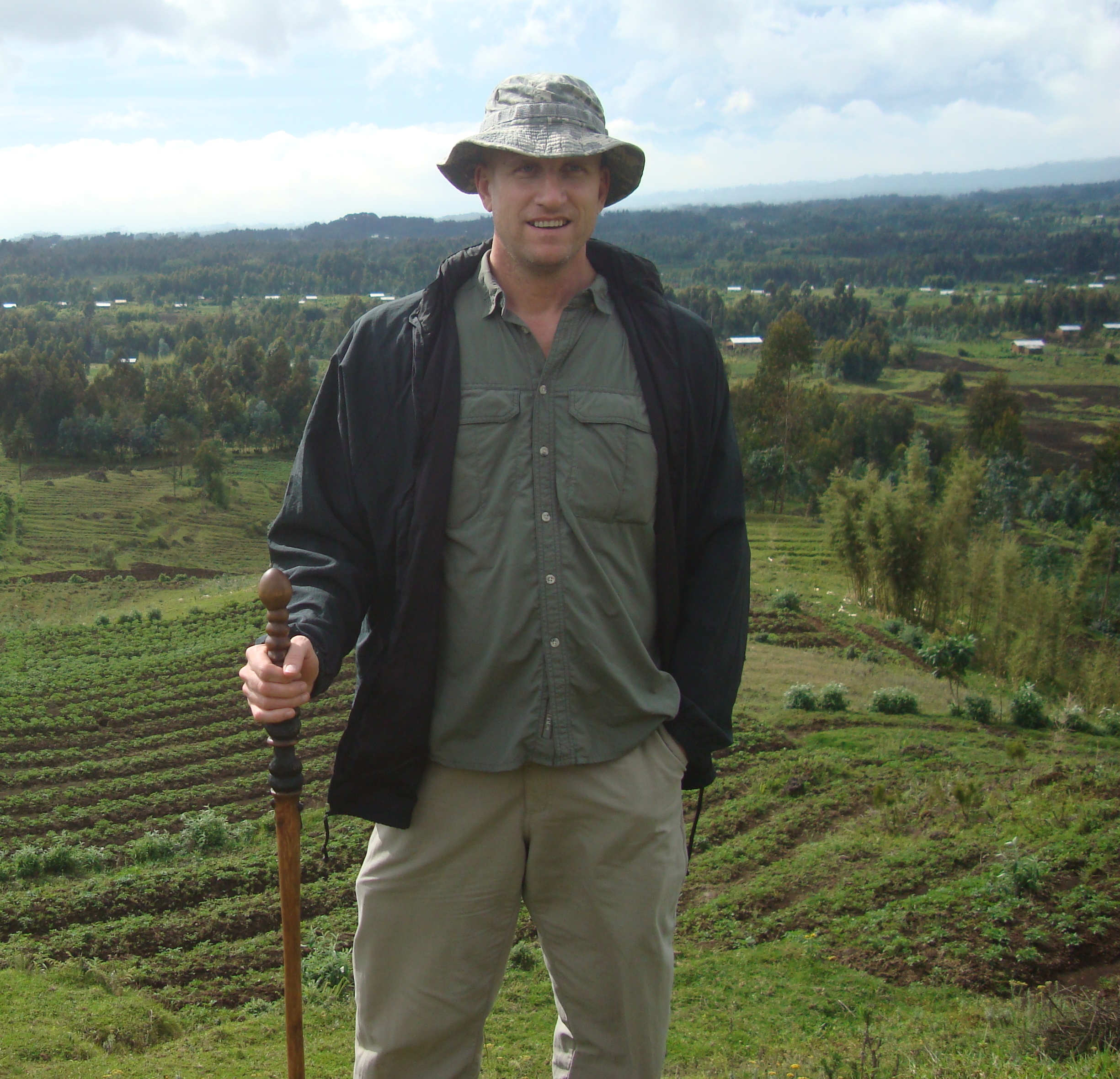
Early in the morning on Jan 1 (no staying up late for us, although we did share a bottle of wine at dinner to celebrate New Year’s Eve) we arrived at the park staging area and met the other trekkers and our guides. Only 30 people are allowed to trek each day and we were in a small group of 8. They gave us hiking poles- gaiters are also good to have along- and off we went up the mountain. The guides knew from some trekkers who spend the night near the gorillas where they were, so we only had to hike about an hour before we found them.
Deah, Parc de Volcanessilverback gorillas, Parc de Volcanes, Rwanda
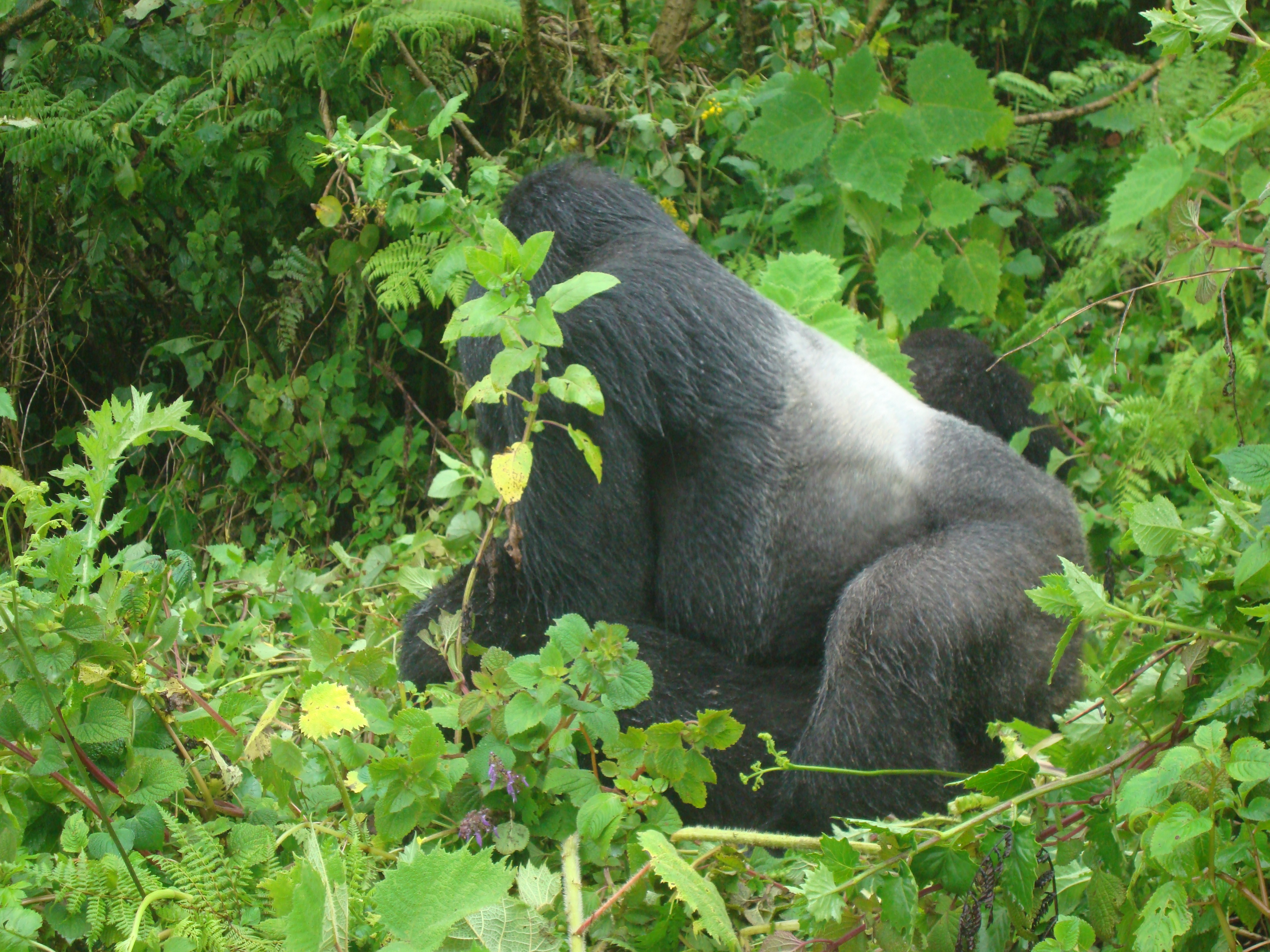
Once we located the gorillas, we were able to watch them for one hour, from a distance of seven meters- close enough to smell them, anyway. We stood in the dripping rain, and watched the babies play, the mothers nurse, and the silverback choose a mate and make sweet, sweet gorilla love. All too soon it was time to hike down the mountain and find some dry clothes for us.
“Getting Jiggy”Chris, hiking in Parc de Volcanes, Rwanda
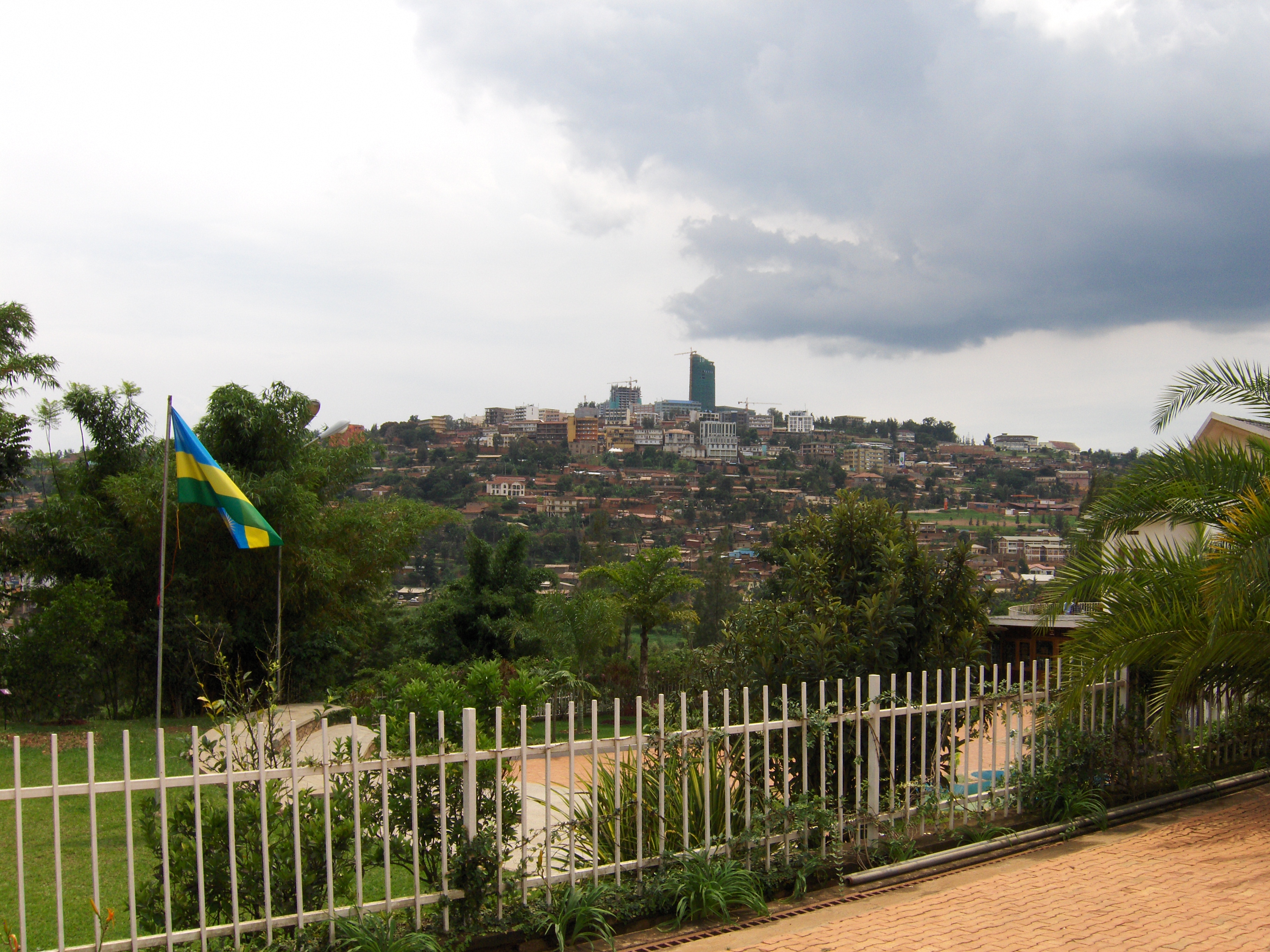
The next day, the 2nd, Chris had to fly back to Khartoum but I decided to stay for four more days. We went into Kigali, the capital of Rwanda, and visited the Genocide Memorial center, free for all visitors to the city. It is an amazing place. Rwanda, for all its bad press and the terrible things that happened fifteen years ago, is an incredibly forward looking country that is trying, probably harder than any other African country, to put the past behind them and move positively to the future.
Milles Collines, RwandaKigali, Rwanda
Taking a moto-taxi, I decided to go to Lake Kivu, one of Africa’s great Rift Lakes, and the sixth largest lake in the continent. At an altitude of 1,614 meters, the weather is always cool and rainy there with occasional patches of sunshine each day. I was able to find a lovely guest house, Home Saint Jean, run by a church for only $20 a night, and stayed there for the next three days, just enjoying some solitude before heading back to work. Each night I watched the fishermen hang lanterns on the ends of their boats to entice the fish, and I read each day. A nice way to unwind before heading back to the hustle and bustle of Khartoum!

 Deah in Madrid
 Madrid, Spain






















 PalmTreeMusings