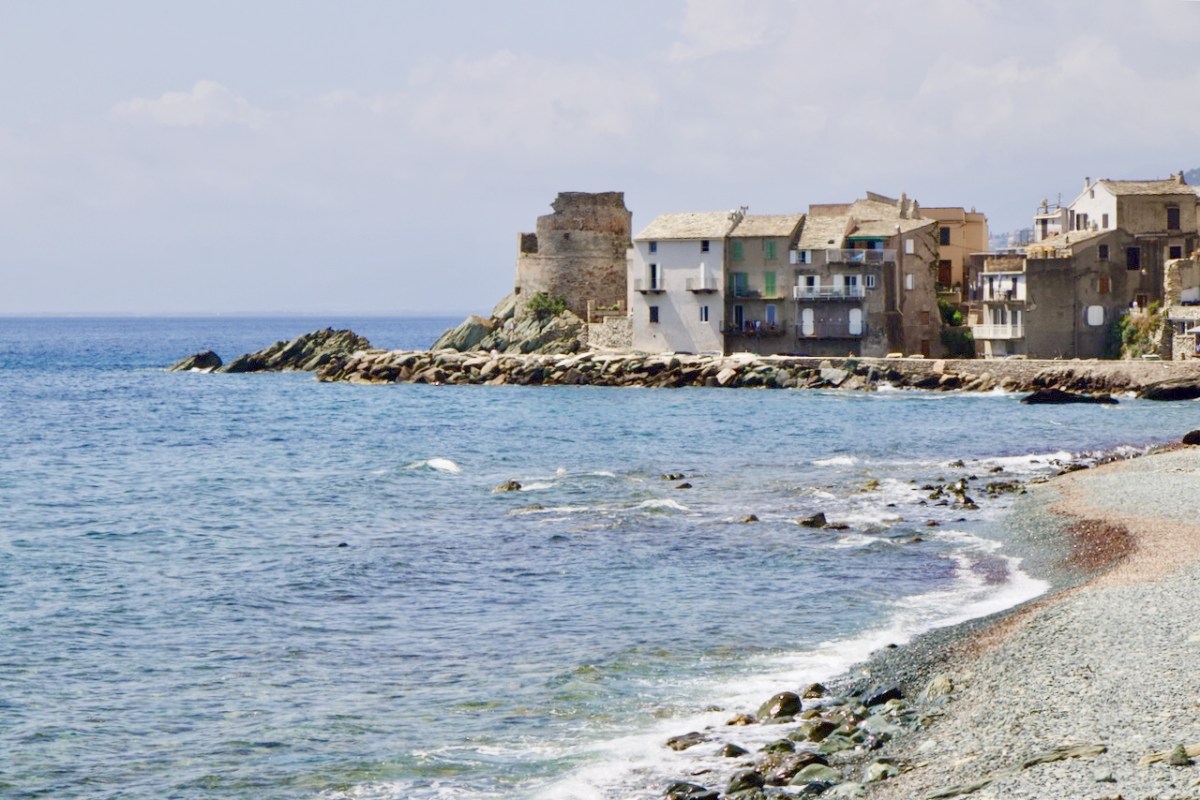
In the Midst of the Mediterranean: Corsica and Sardinia

We are fond of “slow travel”, and less fond of flying, so we decided to use ferries as our primary means of getting around the Med this summer. We found the website/app Direct Ferries to be the most helpful at helping us arrange our passages and keep all our boarding passes in one place.

Our home for 12 hours

From Genoa, we boarded a Moby ferry boat at 8 pm, watched as the city receded into the distance, and retired to our cabin for a shower and a good night’s sleep. When we awoke at 6 am, we were arriving in Bastia, Corsica.

Bastia Harbor

Corsica is a semi-autonomous region of France, but it has a varied past including several centuries under the rule of Pisa and then Genoa, a short independence, and then “suzerainty” under the French (slightly different from “sovereignty”). As such, people who live there speak French, but also a lot of Italian, and even a local language called Corsu that has ties to Latin. Aside from the beaches and lovely small towns, many people come to Corsica to hike the GR20.

In Bastia we dropped off our luggage, had a leisurely breakfast on the quay, and took a “tiny train” tour up to the walled city and through some of the historic sites of the town. We also had time for a swim in the Mediterranean and lunch overlooking the brilliant blue waters. That night, our town was hosting a big concert and DJ in the main plaza, so that was fun to listen to as well.
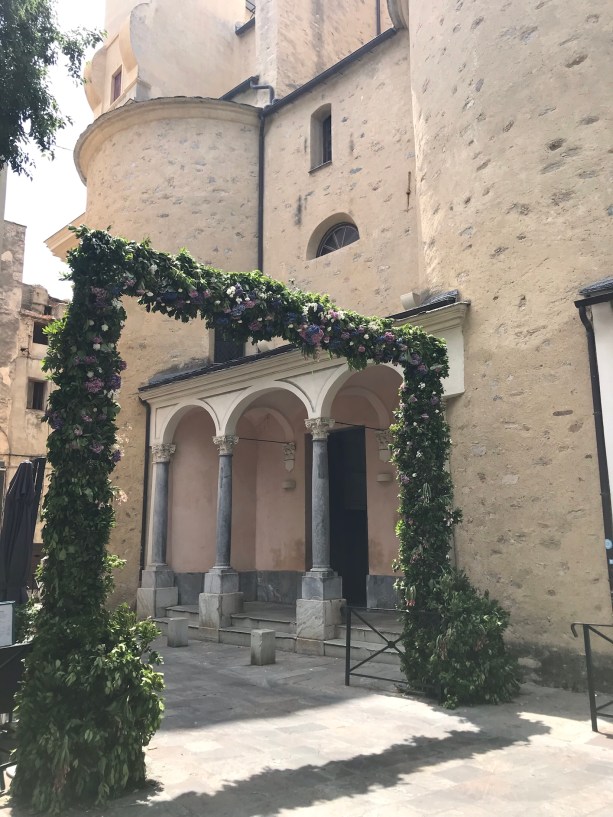
Inside Bastia’s walled city

After a couple of days exploring Bastia, we took a bus south to Porto Vecchio. We actually arrived in the midst of a huge, weekly farmers market, every stall selling various sheep’s cheeses, cured meats, honey, herbs, French bread, and pastries. We put together the makings of a picnic, and had lunch next to the church in the center of the historic fortress city. Once the weekly market closed down, Porto Vecchio turned out to be a much quieter town, full of high end shops advertising the sorts of items you’d see wealthy people wear on their yacht vacations.
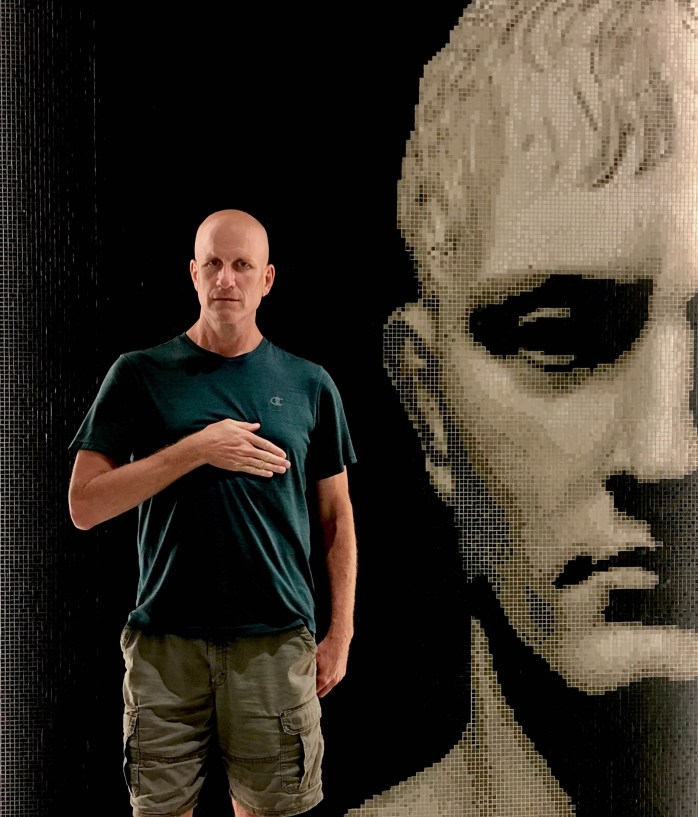
Napoleon was born in Corsica

After missing our bus out of Porto Vecchio- but 30 minutes later getting one that would be “twice as much time but half the price”- and a meandering route through four mountain villages (which I quite enjoyed), we arrived in our final Corsican town, Bonifacio. Talk about #yachtlife! The harbor here was filled not only with boats, but yachts, and superyachts at that! Some you could rent for a day, sone for a week, some for a month. Our hotel, the Solemare, featured a pool next to the harbor, and I was content to float there while watching these amazing boats maneuver their way in and out of the harbor.
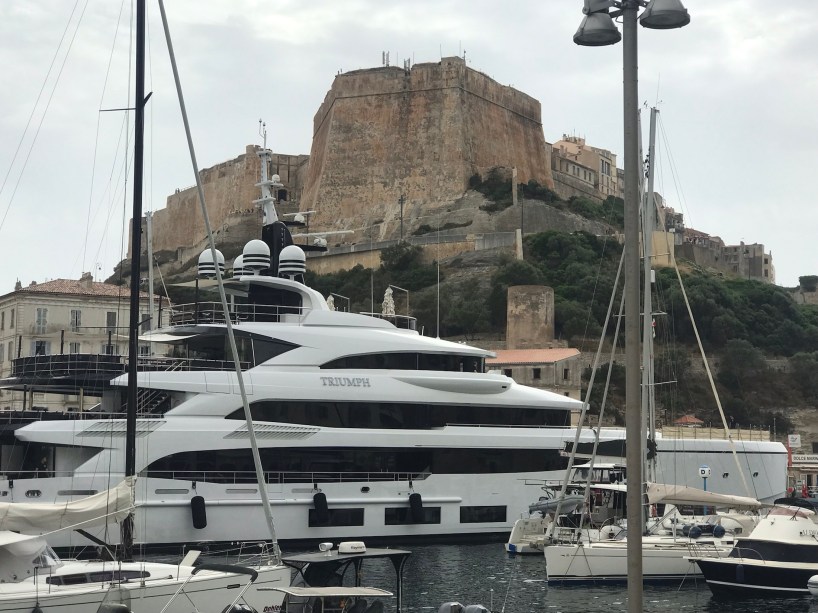
Now that’s a boat

We walked up the hill to the walled city- Chris took a detour and explored the beautiful cliffs nearby- and we could see the town from above, which was stunning. In the far distance, we could see Sardinia, our next stop. On our last day, something strange happened as we were walking towards our ferry- the sea level began to rise- quite quickly!- and the waters began bubbling up out of the storm grates in the roads. Shopkeepers hastily closed their shop doors as water began to pour in. Boat owners came out of their cabins and looked around in confusion. After a few minutes, the waters began to recede and after just 10 or 12 minutes the boats were actually now lower than normal, their gangplanks tilted sharply up towards the docks. Everyone was talking excitedly but no one seemed to know the cause- perhaps a spring tide, perhaps a small underground earthquake. We never did find out, but it was quite interesting to watch!

The view of Bonifacio from the cliffs opposite

It’s just a one hour ferry to Sardinia from Corsica. From the Nuragic to the Phoenicians, Carthaginians to Romans, Vandals, Byzantines, and Aragonese, it seems everyone has wanted to conquer this island in the middle of the Mediterranean. Now a semi-autonomous region of Italy, Sardinia is known for its food, its beachy coastline, its archaeological finds, and its hiking trails. We arrived in Santa Teresa de Gallura, a small town full of B&Bs (the kind you used to be able to stay in before AirBnB took over the market). We stayed at a family home full of heirloom antiques, featuring a delightful homemade breakfast. There was a lovely nearby beach, so we were able to enjoy another swim in the sea.

View from a cross-island bus

We took the bus to Olbia, on the eastern side of the island. Here we visited the museum, which told of all the invading and conquering of Sardinia, and featured artifacts from shipwrecks and a harbor attack centuries ago. The museum is not quite finished, but what they had was great.
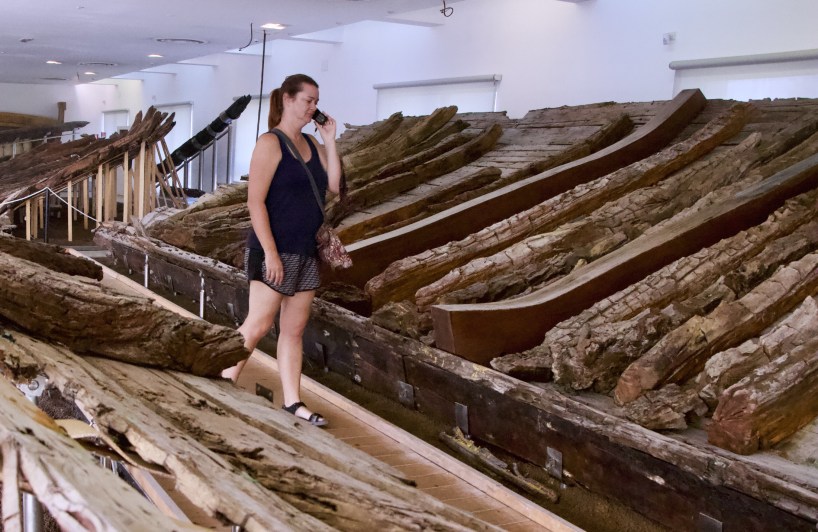
Amidst the recovered shipwrecks at Olbia’s museum

After Olbia, it was a train ride across and down the entire island to Cagliari, the capital. A free walking tour by Catch the Pink! showed us the highlights and also informed us of the main foods we must try while in town. We stayed in a private room in a hostel which was formerly a monastery- their female dorm is actually a converted chapel.

The sights of Cagliari

In the hot part of the day, we nap or sit in a shaded cafe and drink Aperol spritzes, which I don’t actually care for, but they are giant and they are refreshingly cool. Often they come with tagliere (salami and cheese tray), gratis. We’ve also tried culurgiones, a stuffed and braided pasta filled with potatoes, basil, and cream (delicious), pane fratau (a lasagna-like dish made with very thin Corsican bread), malloredus alla campidanese (a rolled pasta with indentations, sometimes tinted with saffron), and freggola (small pasta balls similar to pearled couscous) served with mussels or other seafood. For dessert, cheese wrapped in pastry, fried, and covered with honey called seada, followed by a nightcap of myrto, or myrtle liquor.
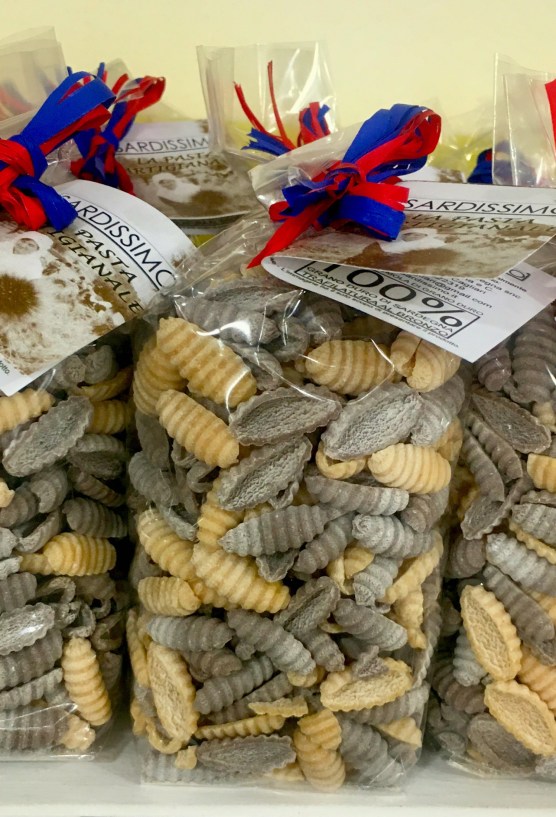
Malloredus pasta, which gets its shape from being rolled against the side of a reed basket

After three days in Cagliari, it was time to catch our next ferry. Visit our site next month- or hit the “Follow” button below- to find out where Chris and Deah wind up next. Ciao!

Portugal: Small Country, Big Value

Portugal may be a small country in Europe, but it is packed with things to do, food to eat, wines to drink, and trails to hike. Not to mention the beaches, the cities, and a rich historical past.

Chris on the Camino Portuguese, an alternate route to Santiago de Compostela

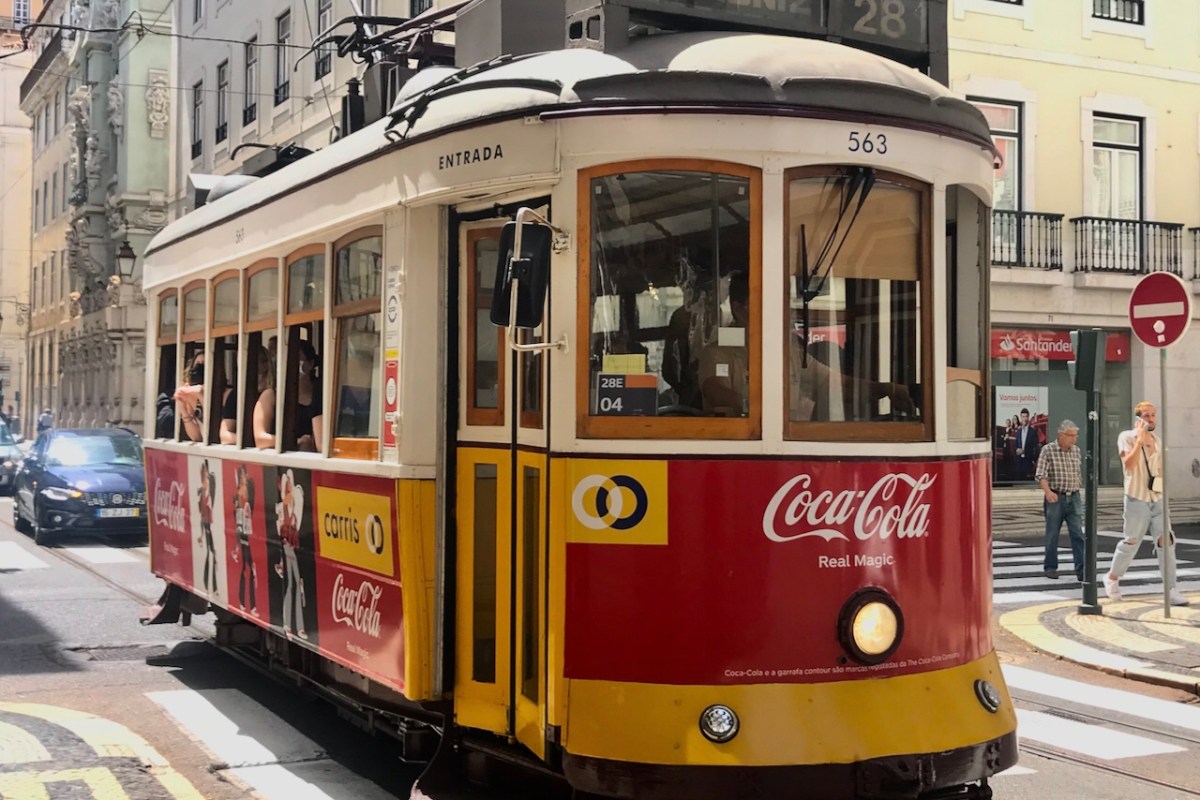
I first visited Portugal in 2008 when I was teaching school in Angola, so I was already familiar with the cities of Lisbon and Porto. For this trip, Chris and I flew in to Lisbon and spent just a few days there. We joined a walking tour, explored the Chiado and Alfama neighborhoods, and ate as many pasteis com natas as possible. We went out to the Tower of Belem and the Monument to the Discoverers, and walked back along the river for a while before hopping on one of Lisbon’s ubiquitous yellow trams. At night we walked through alleys with the sounds of fado singers spilling out, and smelling of baked bacalou from the kitchens.

Continue reading “Portugal: Small Country, Big Value” →

Six steps for getting in your steps while on vacation

I rarely have enough discipline to follow much of an exercise regimen when I’m traveling. I do, however, follow an eating regimen; mainly, I eat everything I want in a new place for breakfast, lunch, and dinner. Throw in some happy hours and some wine tastings, and that’s a lot of excess calories.

Pastel Com Nata in Lisbon? Yes, please!

However, there are ways to combat the battle of the bulge when visiting Europe or any other new place. All it takes is some good walking shoes, a hat or umbrella, and some sunscreen. Here’s how you can continue to get in your steps while you’re traveling- and keep eating all those delicious new foods.

1. Use public transport

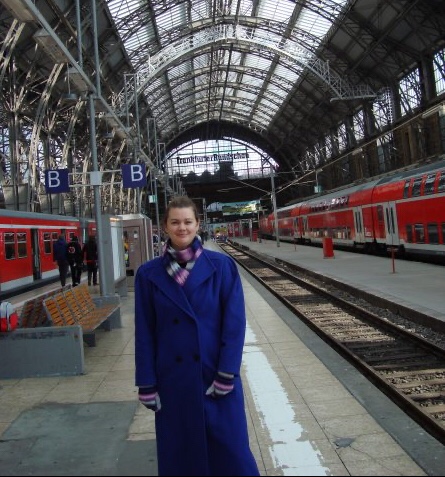
When we arrive in a new country, rather than take a taxi straight from the airport to our hotel, we generally opt for public transport. That usually means walking to one end of the airport, and scouting out the metro, train, or bus stop closest to arrivals and departures. Finding a ticket machine takes a few more (hundred) steps, and then we’re on our way. Once we arrive in our neighborhood, it’s often another few blocks to our accommodation. Day one: we’ve added at least 1000 steps getting to our new “home”.

In Frankfurt, it’s easier to take the train!

2. Visit a museum

Every national capital, plus most other cities in the world, boast some museum that they are very proud of. We love to walk through these museums and learn about the history of the area, all while (usually) enjoying the air conditioning. Some museums literally take more than half a day to go through thoroughly, while others may only take an hour or two. But either way, you’ve upped your total steps for the day by walking through all those exhibits. Keep an eye out for a day of the week or month that most museums are free!

The Mexican Anthropology Museum will take hours to fully visit

3. Take a free walking tour

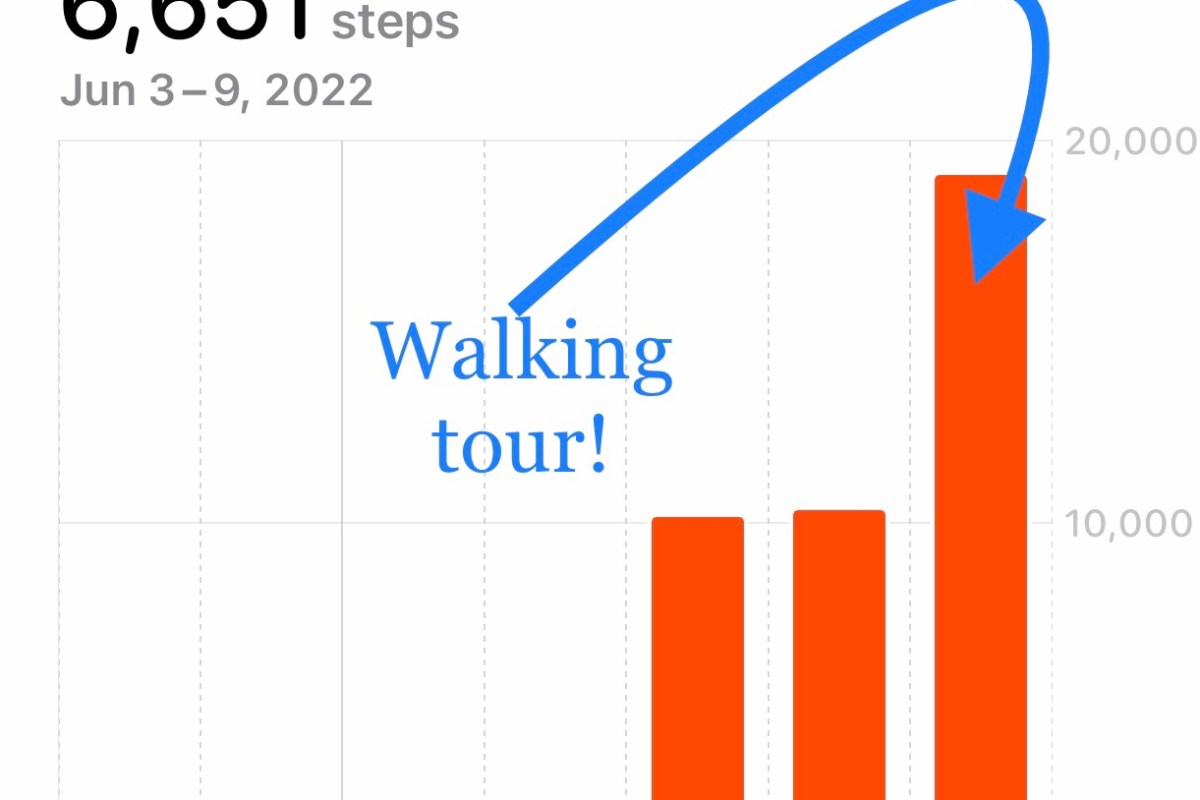
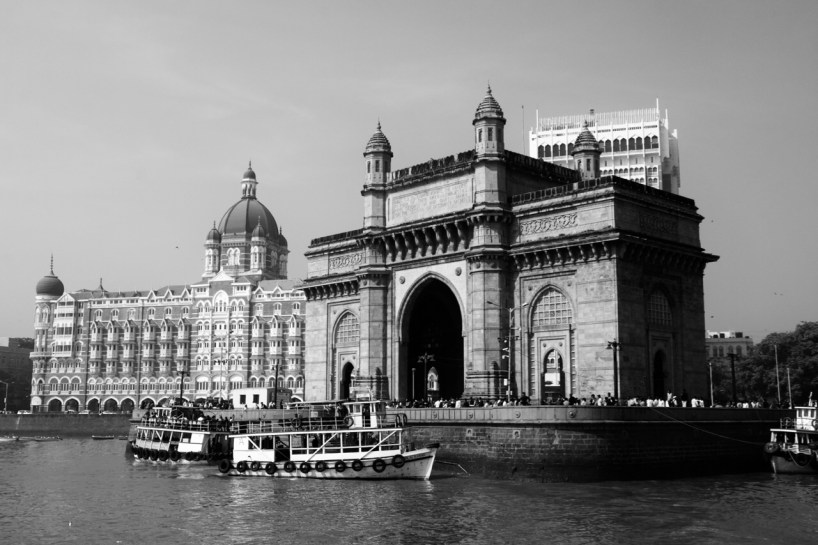
About ten years ago, the concept of the free walking tour started rippling across Europe, then Asia, then South America. The idea is that you join a group tour at a designated meeting spot, the guide shows you all the city they love, and you pay whatever you think the tour was worth. I have only very rarely seen people skip out on paying the guide- most people seem to enjoy the tour and pay the guide anywhere from $10 to 20€ per person. Over the years, we have taken free walking tours everywhere from Beijing to Cuzco, and have never had a bad time. A walking tour can last from 2-3 hours, and can easily add 6000 to 8000 steps to your day.

A free walking tour in Delhi showed us the famous sights, as well as recommending us a fantastic place for lunch!

4. Ride the bus out, walk back

A great way to see part of a new city while getting in your steps is to once again utilize public transport. We will identify a neighborhood that looks interesting, then take a subway or bus ride to a sight in that area. A one way ticket usually costs less than $2. Then, we spend the rest of the day leisurely wending our way back to our place. We stop at bookshops, restaurants, parks, or bars along the way if we get tired. If you don’t have a local SIM card, no problem. Download the maps.me app, and you’ll have offline maps all the way.

Take the iconic yellow Lisbon trams all the way to the end- then slowly roam back

5. Take a day hike

A hike through a national park or a state park is a perfect way to spend a day of your vacation. Be sure to carry plenty of water, and a snack or picnic lunch if there’s no food to purchase within your park. If you’re less sure of your own ability to navigate a hike in the wild on your own, see if there’s a guided ranger walk- inquire at the visitors center. We’ve had some fascinating ranger walks at national parks and learned a lot.

Plitvice National Park in Croatia was a fabulous day hike

6. Make your vacation a long-distance hike

This one’s a bit drastic, but it does work. Consider turning your entire vacation into one… long… walk. If you’re okay with carrying a tent, sleeping in the wild, and cooking your own food, consider a long hike such as the Appalachian Trail or the Pacific Crest Trail- or even just a section of it. If you are already shaking your head NO NO NO, then consider a hike such as the Camino Santiago, or hiking a circuit in Nepal such as the Annapurna. Known as “teahouse” hiking, these kinds of hikes mean you sleep indoors every night, and go to cafes or alburgues for your meals. All you have to do is walk each day!

Chris hikes from Mexico to Canada on the PCT

What are some of the ways you get in your exercise while you travel? As for us, we are currently in Portugal, and starting next week, we’ll be on the Camino Portuguese. Check back soon for an update!

San Miguel de Allende: The Jewel of Mexico

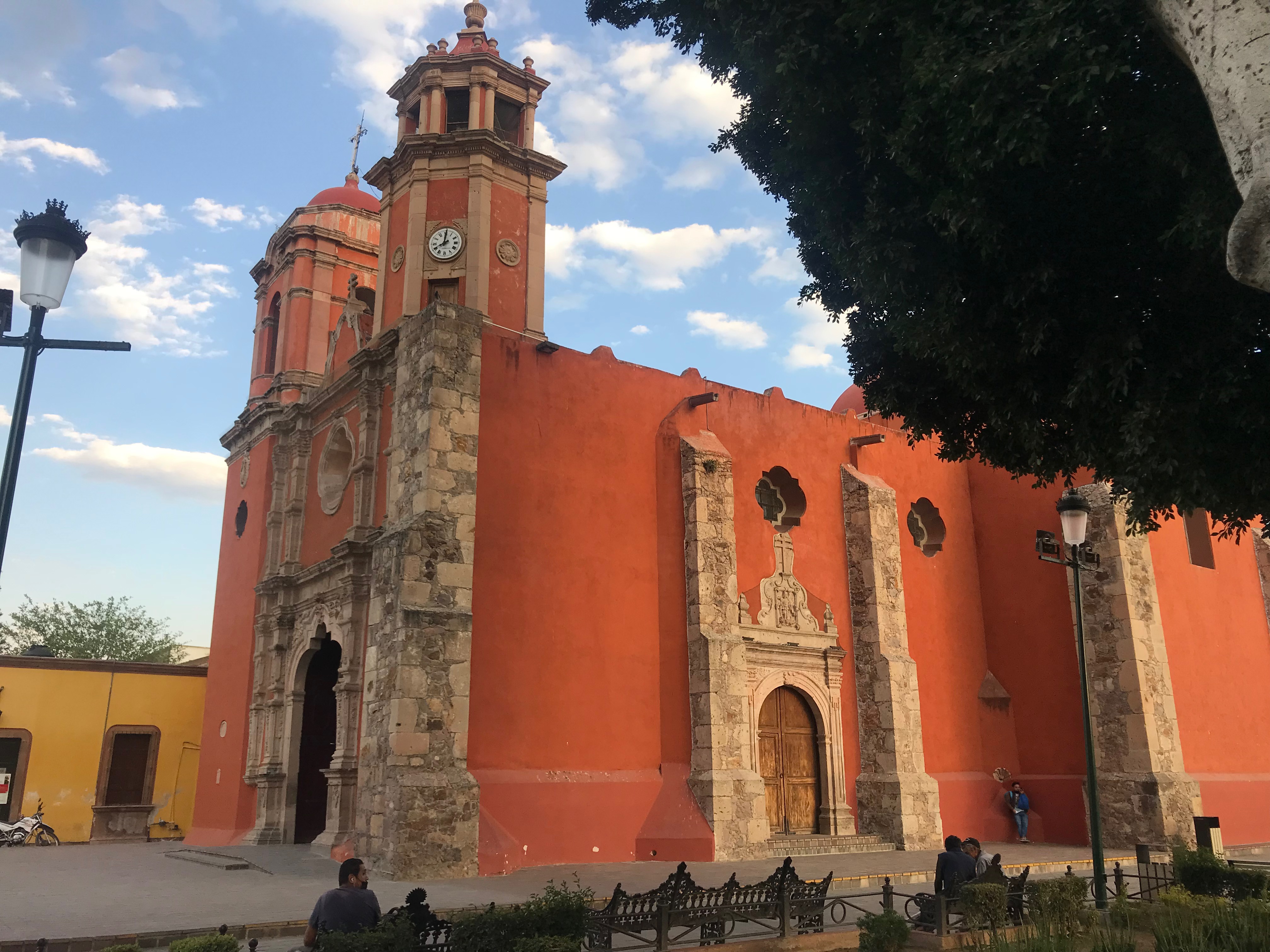
San Miguel De Allende cathedral

You may have noticed the small town of San Miguel de Allende popping up on your travel radar often in the past few years. In 2008, the city was granted a UNESCO World Heritage Site designation. It’s been voted “Best City in the World” by Travel and Leisure Magazine in 2013, 2017, 2018, 2020, and 2021. Conde Nast named it “Top Small City in the World” in 2021. All this is to say if you are looking for a beautiful, picturesque town, filled with history of the Mexican Revolution, and ornate, Gothic-style cathedrals, then you will certainly find it here. But if you are looking for a simple, Mexican village, with cheap prices and family-owned cafes, then you will have to look long and hard to find it in San Miguel de Allende.

The Parroquia de San Miguel Arcángel at Sunset

With over 10,000 expats moving to San Miguel de Allende over the last ten years, it is easy to see why locals call the main pedestrian area of the town “Gringo Gulch”. Join a walking tour and you will be surrounded by forty white North American faces, many of them clutching matching tote bags to commemorate the destination wedding they have all flown in for. At night in the main Jardín Allende, competing mariachi bands play for tips in each of the corners of the square. From our hotel El Portal’s rooftop patio, right in the heart of the main plaza, I counted four different mariachi bands waiting to play their tunes. Each evening we walked far beyond the central walking area, trying to find a simple taco stand, rather than polished chrome and glass rooftop bars where “Mexican Margaritas” go for $20 each.

Gentrification is nothing new to San Miguel de Allende. From the Spanish conversion of the Chichimecas starting in 1552, to the De La Canal family financing of the parks and plazas of the town, to the recent influx of expatriates, San Miguel de Allende has benefited from its location along Mexico’s silver mine route, its proximity to the capital, and its reputation as an artists colony. In 1937, a young man from Chicago wandered into town and was captivated. Along with a friend and a Model T Convertible, Sterling Dickinson was making a six-month tour of Mexico, and when he landed in San Miguel, he found a home for himself. By 1938, Dickinson had founded an art school in town, and after serving in World War II, he persuaded many soldiers to study art in San Miguel with their GI Bill, where the cost of living was low and the weather was beautiful all year long. For better or for worse, Dickinson helped put San Miguel de Allende on the map, and it has only grown busier, more crowded, and more touristic in the passing years. The average house in San Miguel now costs approximately $520,000.

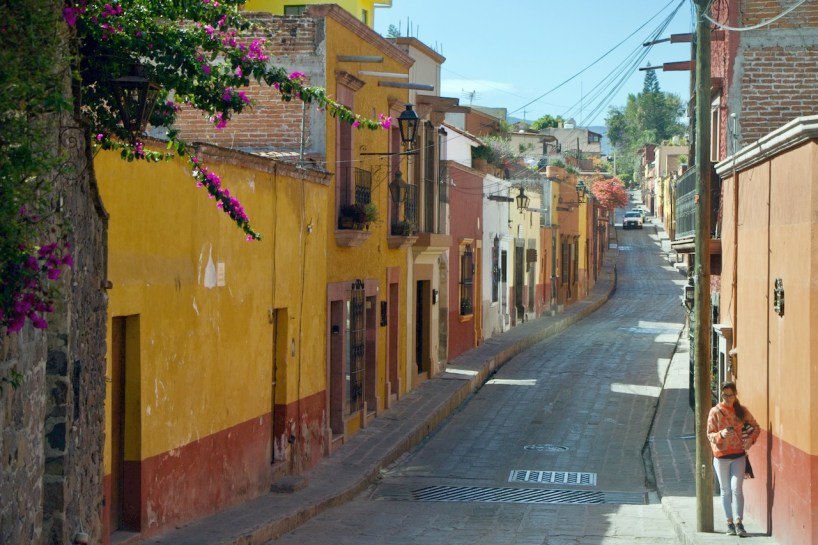
the cobblestone streets of San Miguel de Allende
The Cobblestone Streets of San Miguel de Allende

All of this is not to say that San Miguel is not a lovely place to visit. It is! But I couldn’t help but feel it was hard to find a unique and authentic experience there. We did go on a walking tour, which benefits Patronato Pro Niños (tour departs at 10 am Monday, Wednesday, and Friday, and costs 300 pesos). On this tour, led by the knowledgeable guide Dalí Amaro, we learned a lot about the history and culture of the city. It was definitely worth going on the tour to get a look behind the stone walls and gates of the city.

We also found the map for a recently-created art tour of some of the barrios of San Miguel. Although the Fat Bastard Art Walk only goes on Saturdays, he helpfully created a map of 5 different walks visitors can self-navigate and see the street art that adorns other quarters of the city. We enjoyed the walks through these neighborhoods, away from the central walking zone, and eating in the cafes we found along the way.

As always, I suggest taking a local bus to really see the area. San Miguel has a huge traffic problem- so much so that it is in danger of losing its UNESCO heritage designation- so I would urge all visitors to try to refrain from cabs and Ubers, and use the excellent local bus system (8 pesos per ride and as each route makes a circuit, you really can’t get lost). Take the #8 or #9 up to the mirador for a great sunset view, or the #6 to get to the central bus station to go to another city. We had an excellent experience using BajioGo to get a shared ride to the new Queretaro airport- they charged the same as an Uber and less than our hotel’s offer of a shuttle, and we got to meet two other travelers on our way and chat with them.

For a glimpse of the real village life, look in the outer barrios of San Miguel

If you are leaving San Miguel and returning directly to the United States and need a Covid test for re-entry, you can get one at a kiosk in the parking lot of the Hotel Rosewood for 550 pesos. They take about one hour and results will be emailed to you.

Three Days in Leon, Mexico

Leon Mexico Templo San Juan de Dios

Spending three days in Leon, Mexico is the perfect amount of time to get to know this city in Central Mexico. With the Silao international airport just 20 minutes away, Leon is an excellent side trip if you’re already spending time in Guanajuato or San Miguel de Allende, or as a destination in and of itself.

The Triumphal Arch of the Causeway of the Heroes

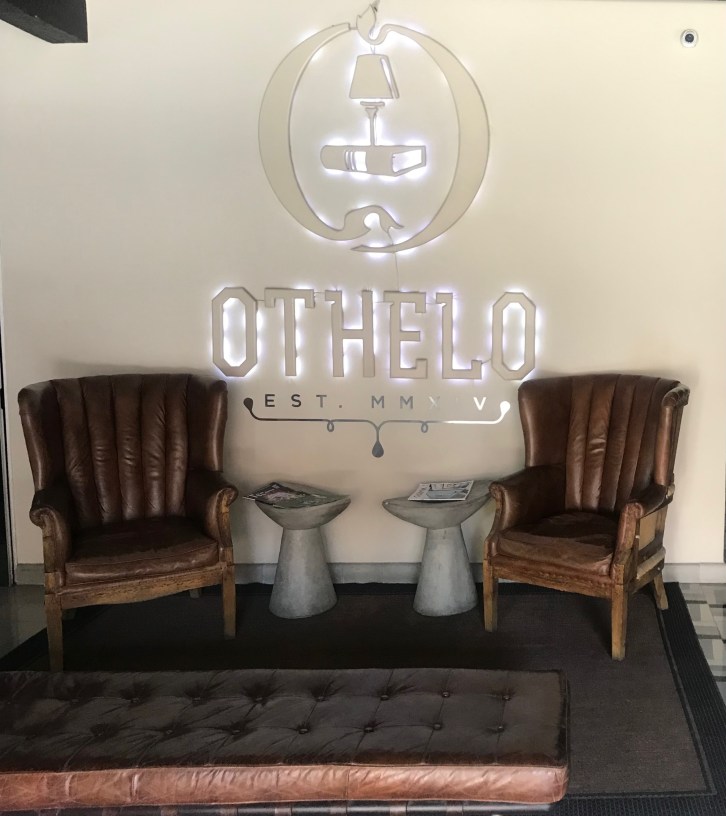
For our recent trip to Leon, we stayed in the Othelo Boutique Hotel, located at the southern edge of the Central Walking Zone. It was a very modern, very cute hotel, with about sixteen rooms, featuring a library (named Yago) and a roof-top breakfast bar (named Desdemona). At under $50 a night, it is a bargain. The staff there are super nice and attentive; we enjoyed our stay there.

Othelo Boutique Hotel

Leon has a hop on/hop off bus tour, but it only runs on the weekends. Instead, we decided to create our own walking tour over the three days we were there. On day one we focused on the Centro Historico, the next day we explored the Conjunto Poliforma and the Zona Piel, and on our last day, we stayed near the Barrio San Juan de Dios.

Day One: Centro Historico

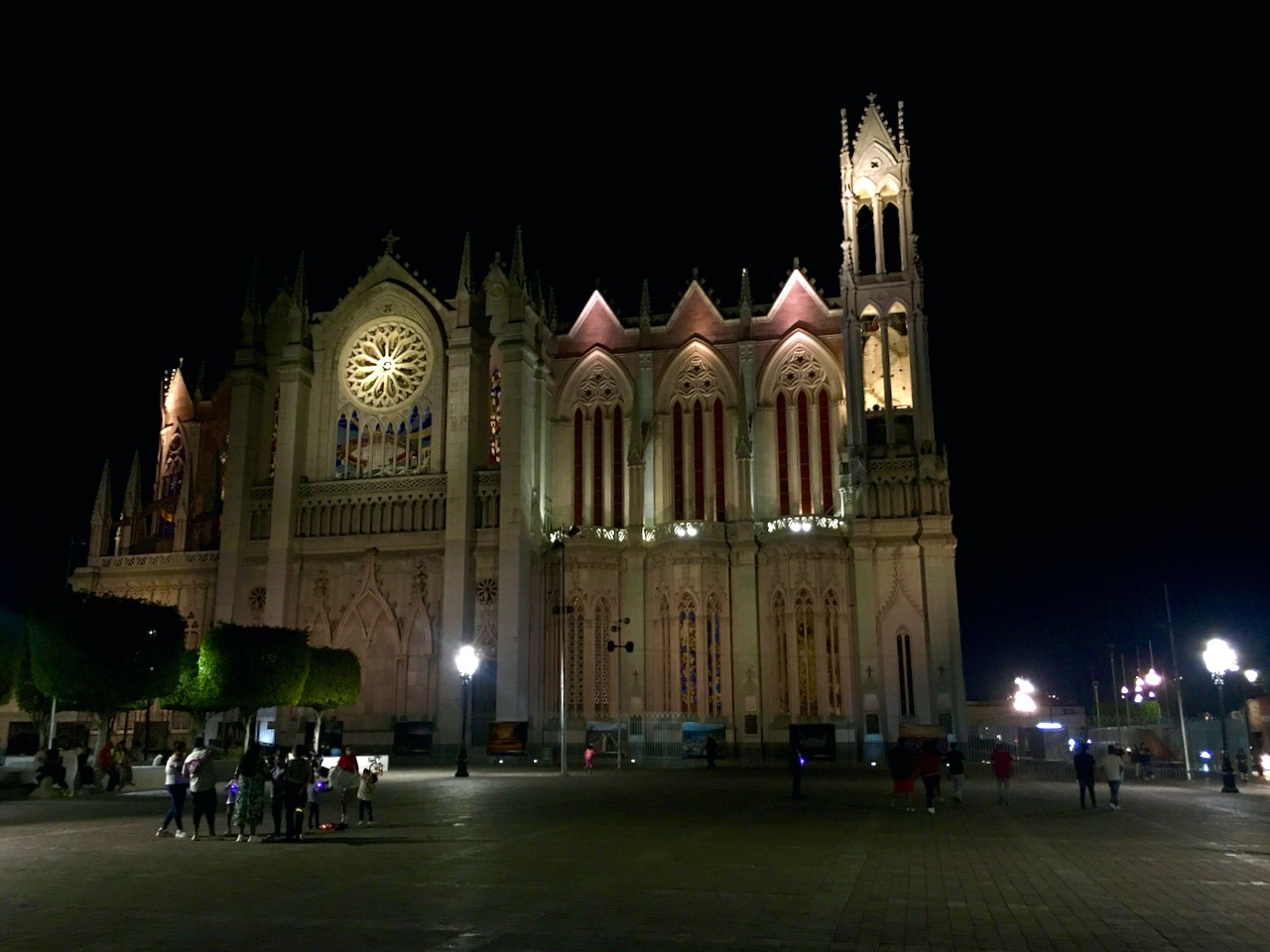
The Centro Historico is about eight blocks long, and four north-to-south. The interior streets are pedestrian-only zones, so you can wander through the two main plazas, enjoy an ice cream, listen to the musicians play, and gaze at the Cathedral of Leon to your heart’s content. Leon’s main neoclassical cathedral, called Basílica Metropolitana de La Madre Santísima de la Luz, was consecrated in 1866. Outside the gates of the Cathedral is a wonderful art exhibit of artistic photographs of some of Guanajuato state’s most interesting sites. Within the Centro Historico, shops run from basic everyday items to luxury jewelry, clothing, and formal-wear. There is also the Museum of the City of Leon, and the Theatro Manuel Doblado. At the far end of the Centro Historico, the Triumphal Arch of the Causeway of the Heroes starts the next walking zone of the city.

Day Two: Conjunto Poliforma and the Zona Piel

On day two we started at the edge of the Centro Historico, at the Triumphal Arch. Passing through the arch and enjoying the jumping water spouts, we headed down the promenade towards the Conjunto Poliforma. This multi-purpose area includes a university, an ecological park, the Museum of Art and History, and a sports stadium. After spending the day meandering through these, we returned by way of the Zona Piel- the leather zone. Leon is considered the leather capital of the world and people come from all over to purchase hand-crafted boots, shoes, jackets, saddles, and more. The leather zone stretches for several blocks, and dotted in between the hundreds (literally hundreds) of small stores are cafes, smoothie stands, cervezerias in case you get thirsty during your leather goods shopping.

Day Three: Barrio San Juan de Dios

For our third and final day in Leon, we stayed closer to our hotel and explored the immediate neighborhood around the Templo San Juan de Dios. This modest church, still showing damage from bullets from the Mexican Revolution, anchors a large park where you can sit on a bench, eat an ice cream, and watch the people of the neighborhood gather for walking, chatting, dancing, and eating. For dinner we ate at Tamales LuLu, a small mom-and-pop place across the street from the church. Afterwards, we sat in the park and watched musicians play as residents of the barrio antigua danced with each other under the rising moon. An ice cream and churro combination from Churrería Las Duyas is a delightful way to cap off dinner, before heading over to Harry’s for a chelada or a michelada.

Have you been to Leon? If so, what did you enjoy there? Answer below in the comments: