
Even though I’m from Texas, I try everything I can to get out of the insane southern heat each year. Last summer we visited Maine, Newfoundland, and Labrador. This year we decided to head to some of the US national parks up north in an attempt to find cooler temps.
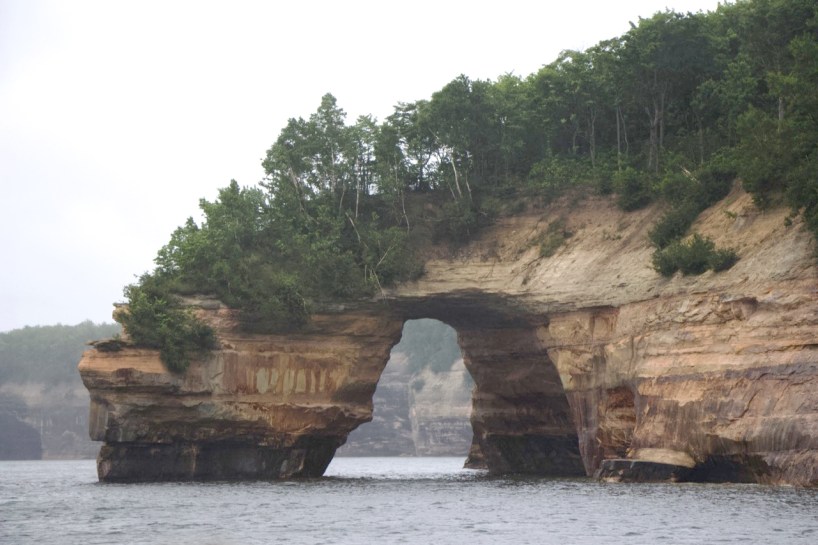
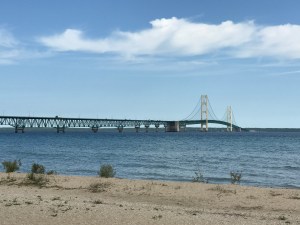
As we crossed the Mackinac Bridge into Michigan’s Upper Peninsula, we felt the cool breeze coming off the Great Lakes, and knew we had arrived in “the north”. If you’ve never been to the UP, I highly suggest you take a few extra days and visit Pictured Rocks National Lakeshore, as well as the Great Lakes Shipwreck Museum. Those are two of my favorite tourist attractions up that way, and definitely worth a visit.
The first park on our list was Isle Royale National Park– the least visited park in the continental US. As it is an island, you can only access Isle Royale from upper Michigan (from Houghton, by boat, or Copper Harbor, by boat or sea plane), or from upper Minnesota (from Grand Marais by seaplane, or Grand Portage, by boat). Whichever mode of transport you choose, make sure to book well in advance (at least a month), and be forewarned that although it’s a national park, the transport is private, and quite costly. Of course, bring your national parks pass if you have one for free entry, and our camping on the island was free as well.
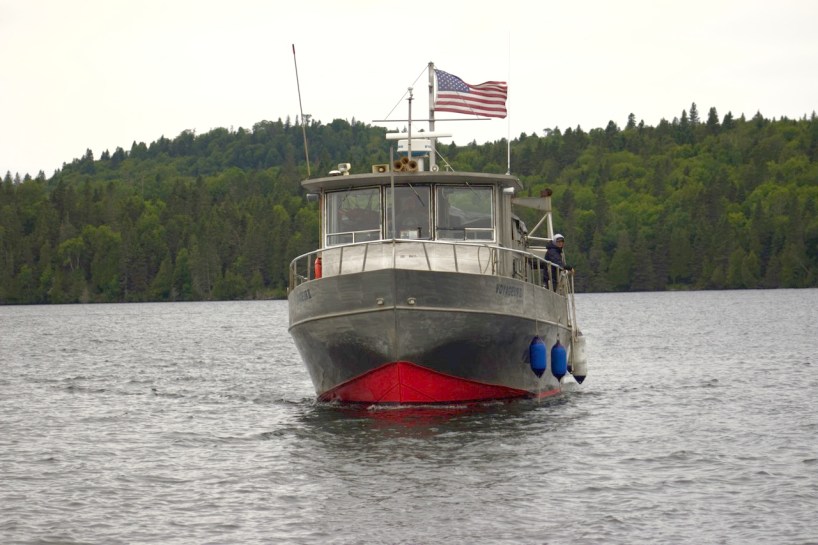
From Pictured Rocks, we drove to Grand Portage, Minnesota, and took a 7:30 am ferry (stay at the nearby Grand Portage Lodge and Casino for an easy morning). By 9:30, we were getting dropped off at the island’s Windigo visitor center, and walked to the nearby Cottonwood Campground with our camping gear. It’s only 1/4 of a mile away, so you won’t have to lug your stuff too far. There are potable water spigots at the campgrounds, so don’t worry about extra water for all your days in the park. We lucked out and were able to get a small camping shelter rather than a tent site, which was nice, because Isle Royale is often rainy (and putting up or taking down a tent in the rain is no fun).
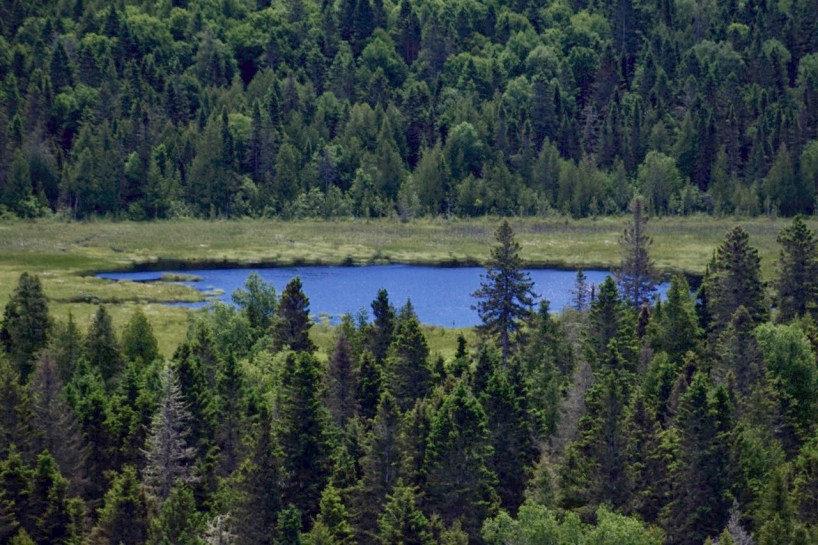
In our time on the island, we hiked, explored the Visitor Center, checked out the small store (they do have food there, including hot breakfast sandwiches, so you can supplement the camping food you need to bring), hiked some more, and looked for wildlife. Isle Royale has both moose and wolves, so visitors like to keep a sharp eye out. The Windigo side of the island only gets about 50 visitors a day, so it won’t take long to get to know your fellow campers and hikers and find out where they’ve spotted some wildlife.

In addition to Windigo, you can visit the other end of the island, Rock Harbor. You can take a boat there (from Windigo or from the mainland), or you can do a multi-day hike of the 45 mile stretch. Rock Harbor also features a nice lodge and restaurant.

Even in July, the temperatures on Isle Royale ranged from pleasantly sunny and warm low 70s, down to cool and rainy 45 at night. Bring lots of layers, bug spray, and waterproof bags. We had a spectacular sunny day, cool night, and rainy morning while we were there.
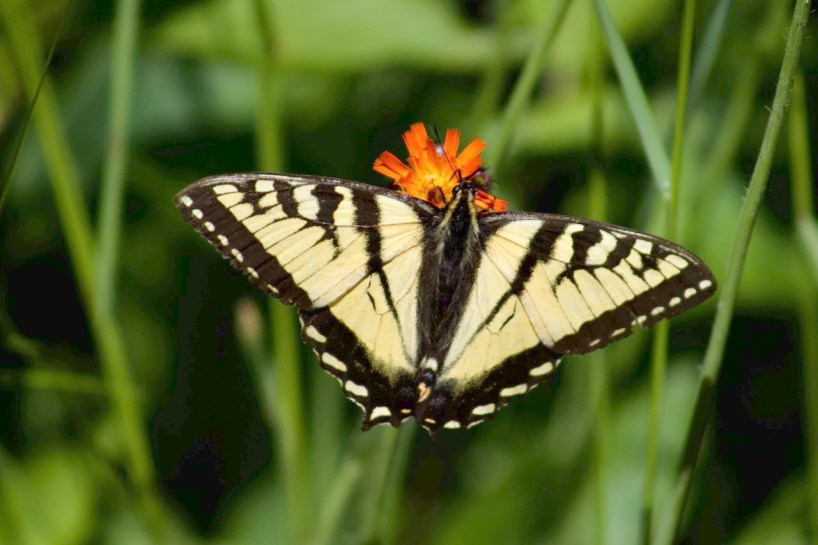
After ferrying back to Minnesota, we were only a few miles from the Canadian border. Just after crossing over we saw a wolf! Canada has the best wildlife!
Voyageurs National Park is only 4-5 hours west of Isle Royale, so we drove the Canadian route to get there, stopping at Thunder Bay and Kakabeka Falls along the way. I always love taking Canadian roads because of their beautiful scenery, and lack of advertising billboards. We spent a lovely evening at the Bay View Motel in Fort Frances, next to the delicious Harbourage Restaurant. At International Falls, we crossed back over to the US, and visited the Rainy Lake Visitor Center and then the Ash River Visitor Center.
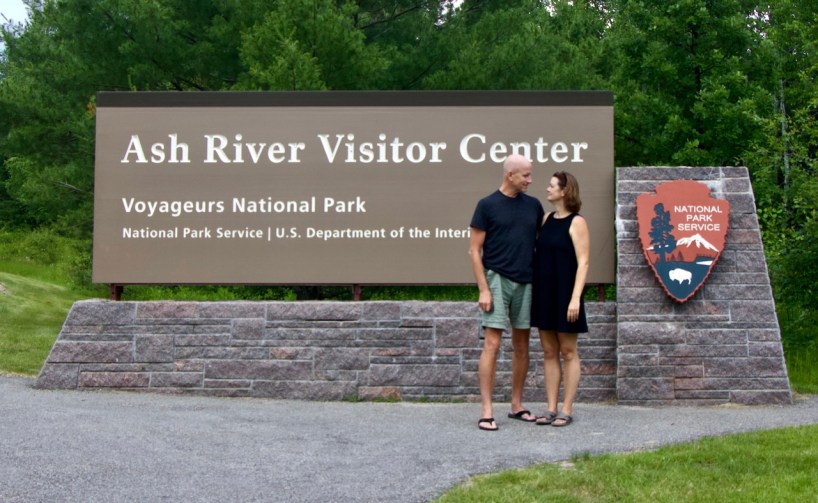
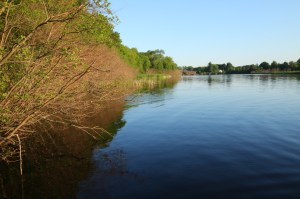
Spread across 210,000 acres, the star feature of Voyageurs National Park is the lakes, rivers, and inlets, so I’d highly recommend booking a NPS boat tour in advance, renting a kayak or canoe, or even staying on a houseboat nearby. There are also plenty of hiking trails and wildlife to view from land or from water, including beaver, otter, moose, and bears.

Similar to Isle Royale, this northern national park features excellent weather in the summer. Temps while we were there ranged between 77 and sunny, down to about 60 during a rainstorm. Voyageurs does tend to be very buggy, so long pants, bug spray, and even a net hat might be a good investment if you plan to spend a few days here.

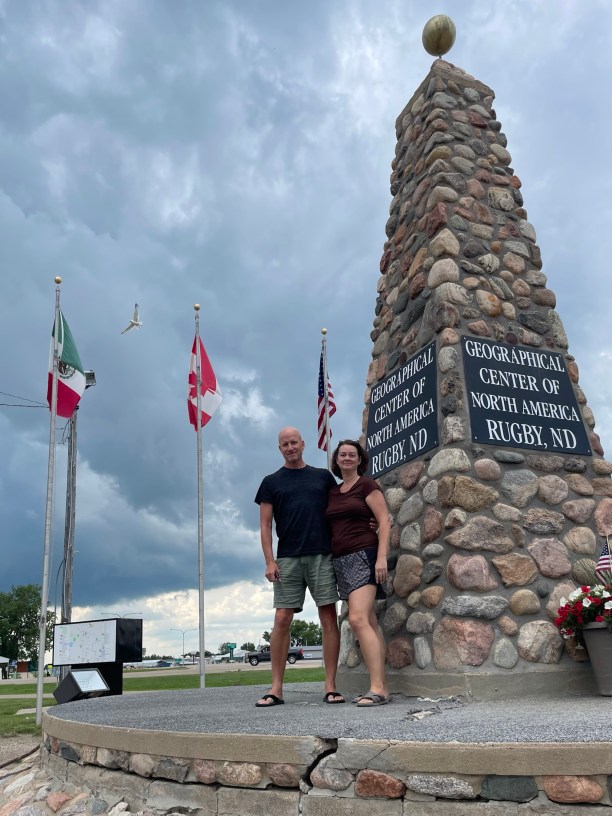
After Voyageurs, we had one more northern park on our list that we had not done yet. We passed into North Dakota, and after stopping at the Geographical Center of North America, we arrived at Theodore Roosevelt National Park.
Theodore Roosevelt National Park is spread across three distinct “units” (north, south, and Elkhorn, linked by the Little Missouri River), and we visited two. This park is 70,000 acres, and was designated a National Park in 1978- the only one named after a person! Roosevelt built a cabin at Elkhorn and lived there for several years, studying ranching, hunting, and conservation, before he became president in 1901.

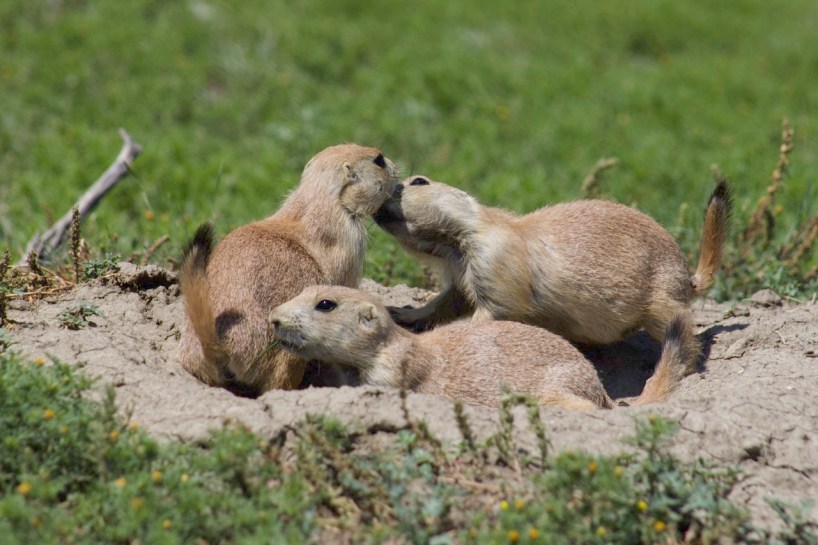
The park has a semi-arid climate and features pronghorn, mustangs, elk, bison, bighorn sheep, prairie dogs, coyotes, cougars, and more. We almost crested 80 degrees while we were there, but some late afternoon cloud coverage kept us in the upper 70’s. Since it was 101 back home with a hurricane bearing down on our state, we were happy with 79 degrees and a light rain shower!
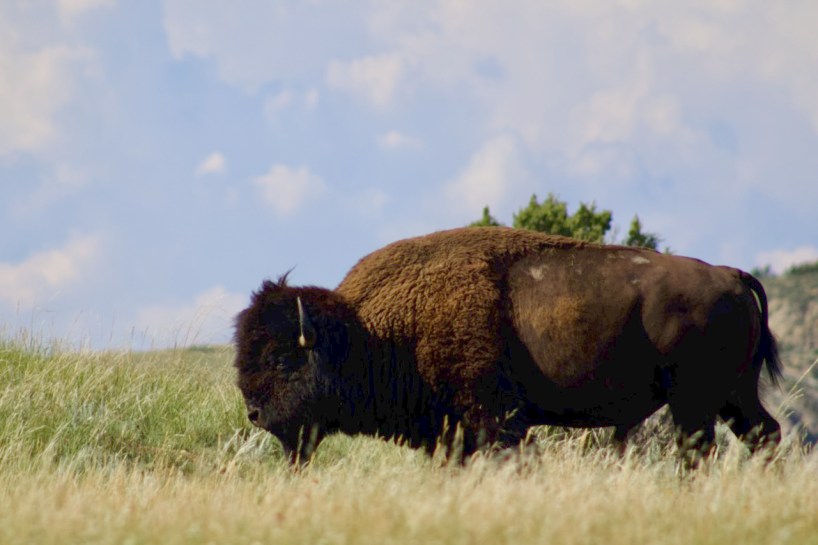
Formed by layers of ash from volcanoes 65 million years ago, layered with sediment brought by wind, water, and freezing, the hills of the badlands can present really interesting striped colors and formations. Lazy rivers that have formed oxbow lakes meander along the prairie as well, growing rings of cottonwood trees along their banks. Fossils from a long-ago swamp in this area have revealed large clams, crocodiles, alligators, turtles, and champsosaurs.

Exploring our national parks is a fun pastime for us. We love getting out in nature, taking a hike, watching for wildlife. Learning about the history and geography of each area is fascinating too. Each park has its own unique setting to enjoy and partake in. Which national parks have you visited? What was your favorite? Leave us a comment.
Interested in this kind of content? Hit the subscribe button!







 PalmTreeMusings