The Guyanas (And Suriname) (Which Used to be Dutch Guyana)

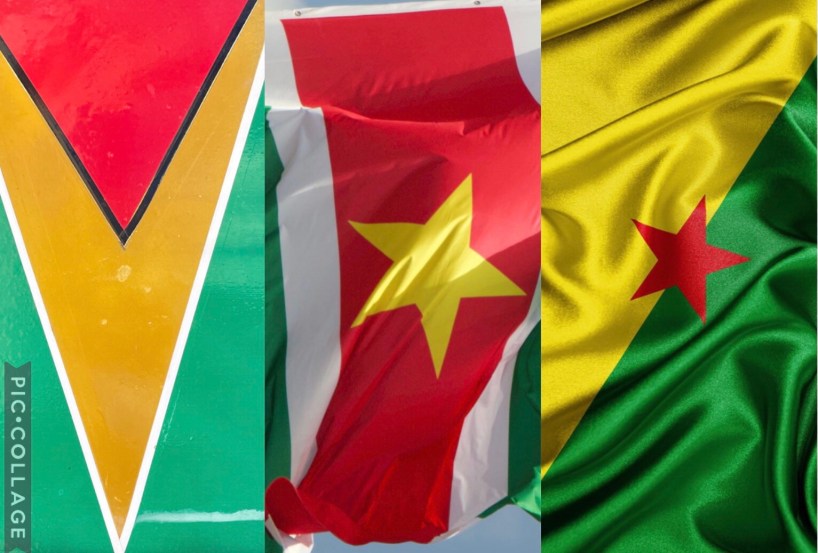
Guyana French Guiana and Suriname flags

Contrary to the rest of South America, independent travel through Guyana, Suriname, and French Guyana is more rare, and there’s less information out there that is current and helpful. Chris and I (Deah) traveled through the region in March 2023. A fascinating mix of cultures, religions, and economics, these three countries are not for the faint of heart, but is quite interesting and worth visiting.

Guyana

The “land of many waters” is one of the least populated countries in South America, and is covered by dense forests and several rivers. After being colonized by the Dutch and the British, it achieved independence in 1966. In the last five years, vast amounts of oil have been found off the coast, causing a boom in the economy (and high inflation). Local and cheap, delicious street food such as Nasi Gorang, or Trinidadian doubles can be found on every corner. High priced, air conditioned restaurants that take credit cards and cater to the oil company crowds are fewer in number, but still dotted around town. Local GT or Banks beer are always ice cold.

Getting There

You can fly directly to Guyana from Panama (Copa Airlines), Trinidad and Barbados (Caribbean Air), Miami (American airlines), and New York (various). You can also arrive by overnight bus from Manaus/Boa Vista, Brazil, and by shared taxivan from neighboring Suriname (there is only one morning ferry per day so plan accordingly).

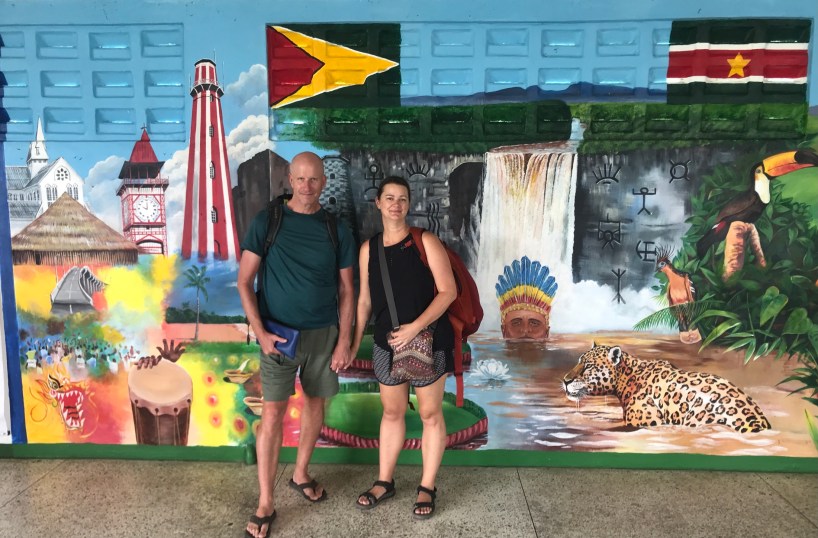
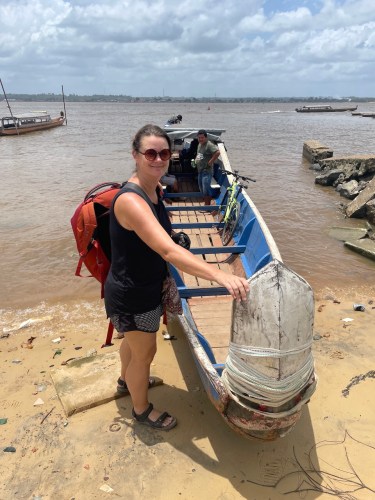
Entering by ferry from Suriname, the kind border guard offered to snap our picture

Capital City Sights

Georgetown, the capital of Guyana, is… difficult. It is crowded, lacks sidewalks, has open sewer ditches teeming with trash and mosquitos, and has a reputation for muggings. If you exercise some basic caution, you should be able to spend a day of two there and enjoy the National Park (feed the manatees!), the National Museum (don’t miss the prehistoric giant sloth on display), and Stabroek Market (which is also where the busses and taxis congregate to get a ride out of town). The St George Cathedral, in the center of the city, is a point of pride. If you’re going out for dinner after dark, take a taxi. We were told by multiple locals that we should not walk around after dusk.

The National Museum; Stabroek Market; St George’s Cathedral; the National Library

Big Ticket Items

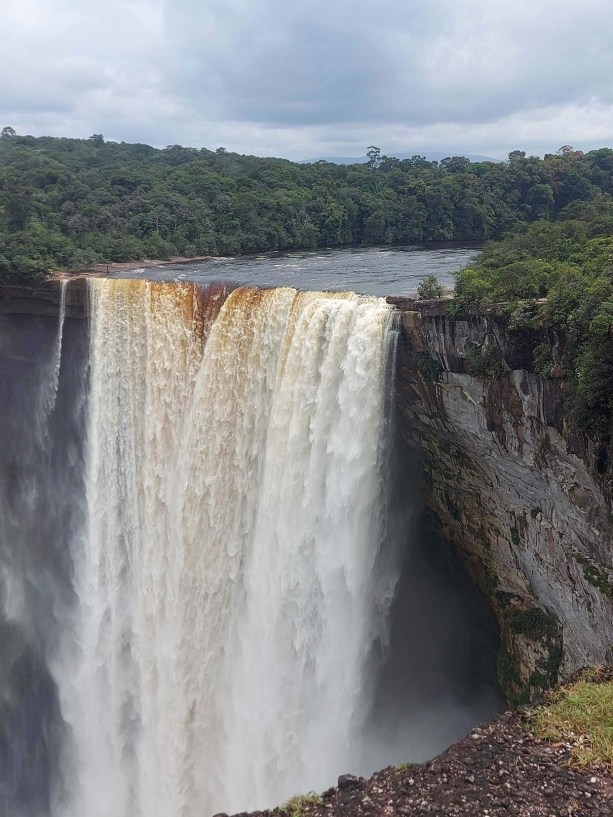
It is highly advisable to plan in advance to get out of Georgetown. Many people stay at an eco-resort along the Rupununi River (you will need your own transport or to contract an airport pick up with your lodge) near the border with Brazil. You can also take a flight to see Kaieteur Falls- the flight is by charter only, and costs $2,500 for 8 seats. You can contact Touring Guyana or Evergreen Adventures and ask if they have a single or perhaps two seats available on a charter flight, which only go on weekends, it appears.

Photo courtesy of our friend Chris F, who was lucky enough to get a last seat on a flight to Kaieteur Falls

Suriname

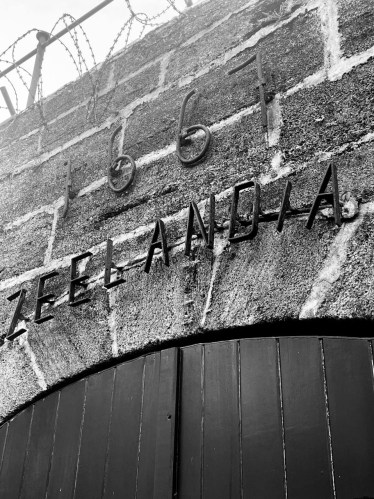
Suriname is the smallest sovereign state in South America, and the most densely forested in the world. After several years of warfare, the British and the Dutch made a trade in 1667 that resulted in the Netherlands retaining control of Paramaribo, the capital of Suriname, while the British retained control of New Amsterdam, which became New York. Having lost their colony in north-eastern Brazil to the Portuguese, the Dutch West Indies Company was desperate to hang on to its profitable sugar plantations in “Dutch Guyana”, which relied on slave labor to make a profit. Most of the people living in Suriname today are descended from the indigenous peoples of the Amazon, escaped and freed slaves, and Indonesian laborers brought to Suriname by the Dutch.

Built by the French in 1640, expanded by the British in 1651, and traded to the Dutch in 1667, Fort Zeelandia survives today as a museum

Getting There

Direct ways to get to Paramaribo include a KLM flight from Amsterdam; GOL from Manaus, Brazil; Surinam Airways from Guyana; and a few Caribbean Islands such as Curaçao, Trinidad, and Cuba. You can travel by shared van/taxi to Georgetown, Guyana, and to the border of French Guyana, at which point you can take a ferry or small boat across the Maroni River.

Current as of 04/23, here are some local transport and tour operators for the area that we found responsive on WhatsApp

Capital City Sights

Downtown Paramaribo is a UNESCO World Heritage Site, dating back to the late 1600s. The wooden, white-washed Dutch architecture features in several historic buildings, many still in use. There are plenty of guesthouses and local eateries with Indonesian, African, Caribbean, and spicey Creole dishes, washed down with a cold Parbo beer or fresh ginger-lemon juice. Sundays are a bit quiet and it’s harder to find an open restaurant. Less dangerous than its neighboring capital city of Georgetown, visitors will still want to exercise some caution when walking around downtown. There is a fairly high homeless population, and muggings do happen on a regular basis.

The “Wooden City” of Paramaribo

Big Ticket Items

There are a few day trips that can be taken from Paramaribo, as well as some overnights. Dolphin/sunset tours are popular, and you can go horseback riding. We took a day trip to Brownsberg Mountain, near the Brokopondo Reservoir. From there you can hike to two waterfalls and see the rainforest, and either stay in cabins at the reserve, stay overnight at Stone Island, or return to the city late in the evening. There is a tour desk at Zeus and Zo, and 24Hostel can help set you up as well.

It’s a steep climb down but worth the hike to visit Irene Vos

French Guiana

French Guiana is not an independent country- it is a department of France (the second largest), and is covered 98.9% with forest. The city of Cayenne was established in 1643, and for 150 years Guiana was a slave colony, producing sugar, until France abolished slavery shortly after the Haitian rebellion. By 1804, the French were using Guiana as a penal colony, which had a very high mortality rate due to the climate and the brutal treatment of prisoners. Only in 1952 was the last prison camp shut down in French Guiana.

From slave labor to a penal colony, French Guiana’s past is dark

Getting There

Flights to French Guiana are limited. You can fly on Air France from Belém, Brazil, starting in May. There are also direct flights to France and to the French islands of Martinique and Guadeloupe. You can take a shared taxi/van from Suriname (ferry across the Maroni River at Albina/St Laurent du Maroni) or from Maçapa, Brazil (ferry across the Oyapak River at Oiapoke/St George).

Take the official ferry, or a small boat across at St Laurent for $5/€5

Capital City Sights

Cayenne is not a huge city, although half of French Guiana’s inhabitants live there. It does not have a functioning bus system, but there are shared taxi/vans that cycle in and out of the Petit Gare. Inside the downtown area, you can see the fort, the cathedral, two museums, and a city market in just one to two days. Cayenne does not have a deep water harbor, so there are no commercial shipping boats or cruise lines that visit here. The food here has a more French influence, as well as Vietnamese. Some very tasty food trucks gather around the Palm Garden in the evenings, and families eat al fresco.

At the Museum of Guyanese Culture in Cayenne

Big Ticket Items

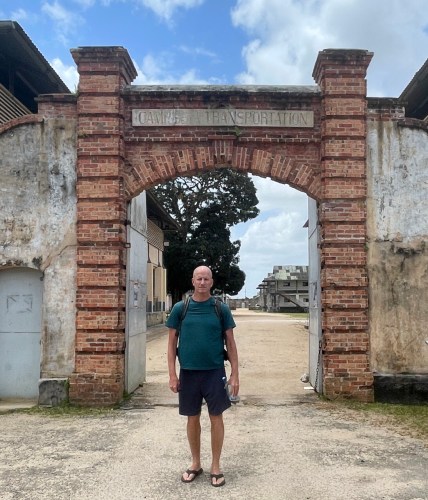
Many visitors to French Guiana go on a package vacation from Europe that includes an Amazonian ecolodge or resort. Aside from that, the town of Kourou seems to be the main attraction. Here you can tour the Guiana Space Center, or if you time it just right, watch a rocket launch from the European Space Agency. From Kourou you can also take a sailing ship to visit the Salvation Islands, which used to make up the prison camp when it was a penal colony (note: Devil’s Island itself is now a nature preserve and does not allow visitors). If you can’t get to the islands, you can also take a tour of the Prison Transport Museum at St Laurent du Maroni, made famous by Henri Charriére’s book Papillon.

Chris at the Prison Transport Camp, French Guyana

And that, in a nutshell, are the Guyanas (and Suriname). We spent five days in each one, but to be honest, a month in each (or a few thousand dollars) would get you closer to really seeing all the corners. But who has the time? For us, it’s out of South America, and a flight to the Caribbean and some fun in the sun next.

Tudo Bem in Brazil

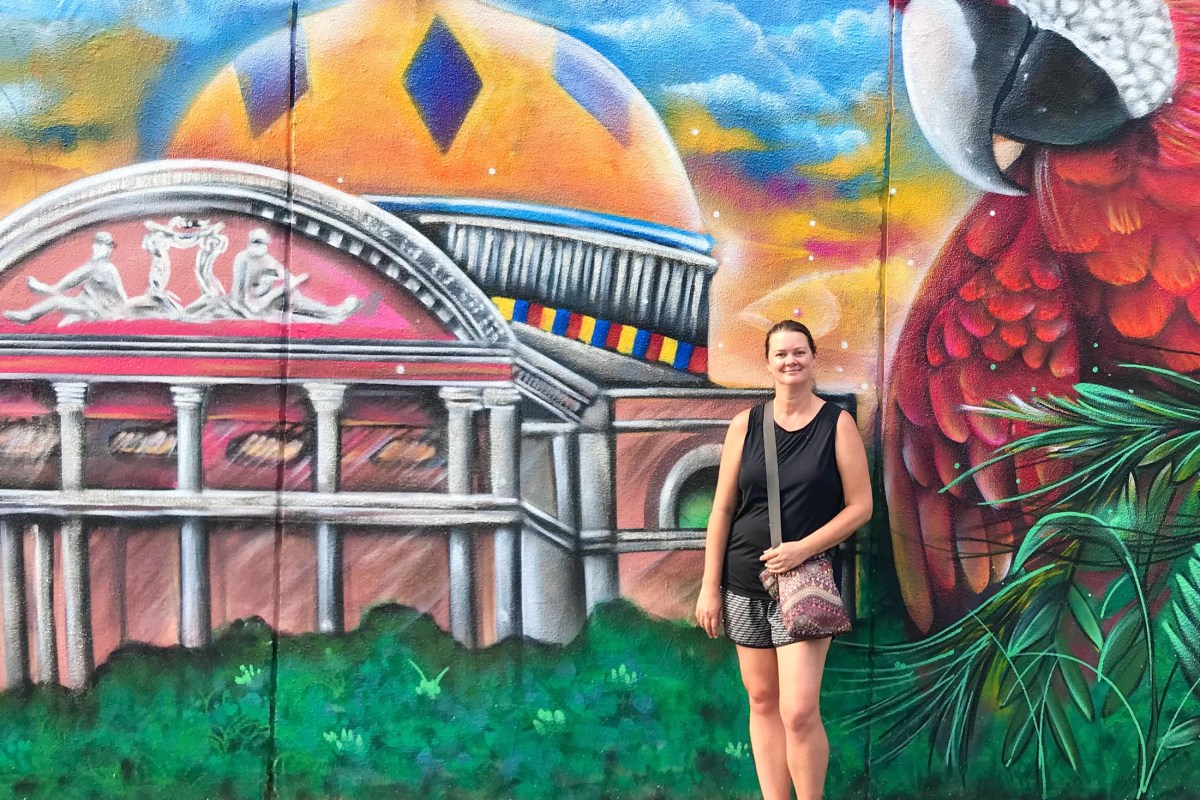
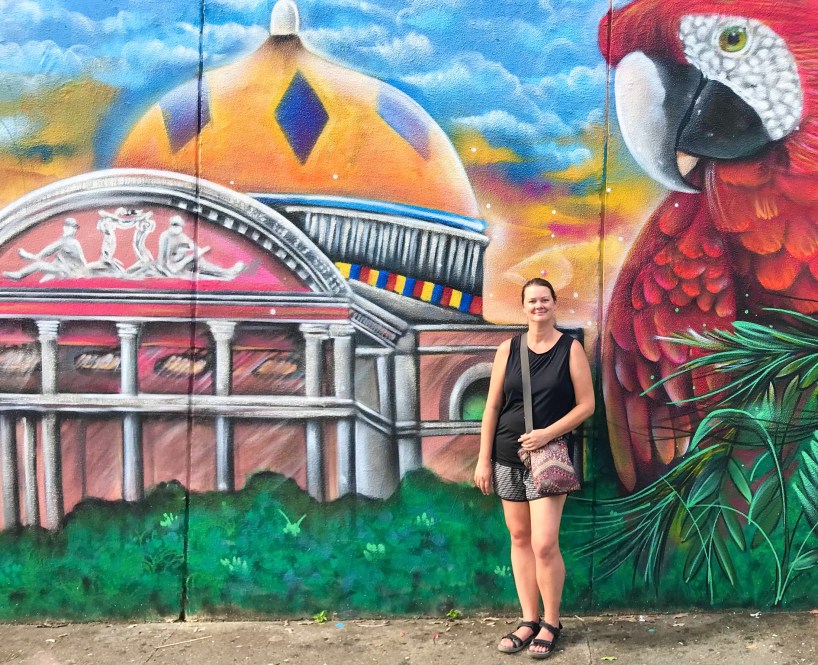
brazil, manaus street art

After a couple of weeks at home visiting family and friends, we found an extremely reasonable flight to Brazil using our American Airlines miles (only 20,000 points? Let’s go!). We landed in Manaus, a city buried deep inside the jungle on the Amazon River, a thousand miles from the ocean. Our priorities included seeing the city of Manaus, spending some time in the jungle, visiting Rio de Janeiro, and hopefully seeing one other city in Brazil as well.

Manaus

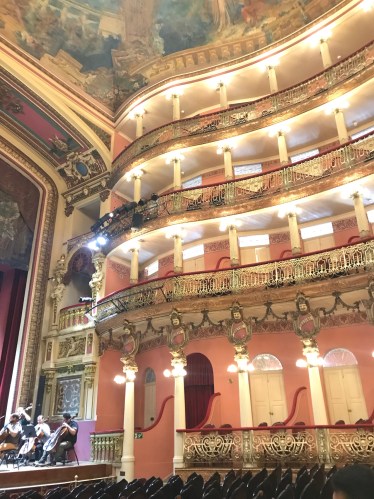
Manaus is a city that, simply put, should not be there. Who builds a huge city in the middle of a rainforest? And models it after the capitals of Europe, in a time when every single item has to be sent by ship across the ocean and up the river? Rubber barons, that’s who. Founded in 1669, the city really blossomed during the time when British rubber barons used the rainforest (and slavery) to reap profits from the rubber plants they found there. By the 1880s, the rubber boom had made Manaus landowners rich, and they wanted all the comforts of the cities back in Europe, including a grand opera house, a cathedral, homes, and servants. To this day, the opera house in Manaus is one of the most famous in the world, built Italian Carrera marble, French bronze work, Italian Murano glass chandeliers, a crystal-studded curtain made by Tiffany. It sat 700 guests, and even included a rudimentary air cooling system, as well as rubberized bricks and padded Damask walls to block out the sounds of the horses and carriages outside. The floors, made of rainforest hardwood, are still original. After reading about the Manaus opera house years ago, I knew I had to visit. And at only 20 reals/$4 USD per visit (half price for Chris!), it’s a bargain tour.

The Manaus Opera House

The rest of Manaus is an interesting place, too. We wound up spending two hours in the Manaus City Museum, thanks to a docent there who really made the history come alive for us. The city boasts three palaces as well; the Palacio Rio Branco, Palacio Rio Negro, and the Palace of Justice. In addition, the Municipal Mercado, based on a French ironwork building, is another fantastic sight to check out. It’s across the street from the river port, teeming with container ships, sightseeing cruises, and steamships. These are constantly traveling upriver into the Amazon, or downriver to Santaram, Belem, or the Atlantic Ocean.

The City Market

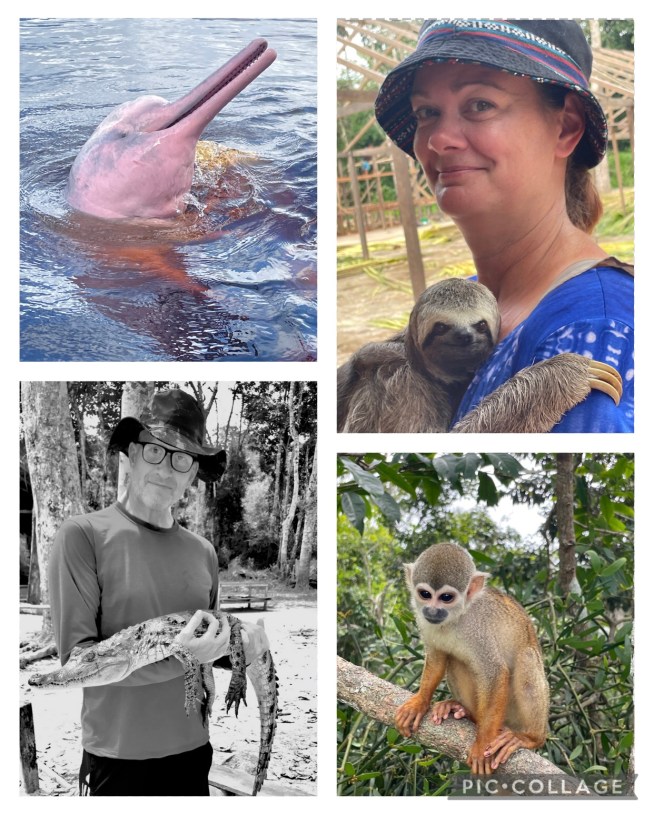
We spent one of our Manaus days sightseeing the Amazon River. We started the day swimming with the pink dolphins that only live in this region, near the meeting of the rivers that make up the Amazon. Then we went “fishing” for pirarucu fish, followed by a pretty good lunch, featuring all kinds of fish from the river, stews, farofa (toasted cassava), various nuts, fruits, and side dishes, plus a dessert made of coconut and acai. Afterwards we walked along an elevated boardwalk through the forest, encountered some tiny monkeys, and marveled at butterflies and gigantic water lilies. The last stop of the day was a replica of an indigenous village. While it is not “illegal” to go visit Amazon indigenous villages, they are quite far away (like several days by boat), and you have to have permission from the military and from the village elders, and in short, they don’t really like visitors. However, some people who have left their tribal homelands have created tourist/cultural centers near Manaus, and you can visit those. We watched some dancing, saw how the huts and houses are made, tried foods like toasted ants and manioc, and I got to hold a sloth, while Chris held a cayman. Although super touristy, it was also an interesting way to catch a glimpse into the lives of these seldom-seen people.

Animals of the Amazon

Amazon Jungle Expedition

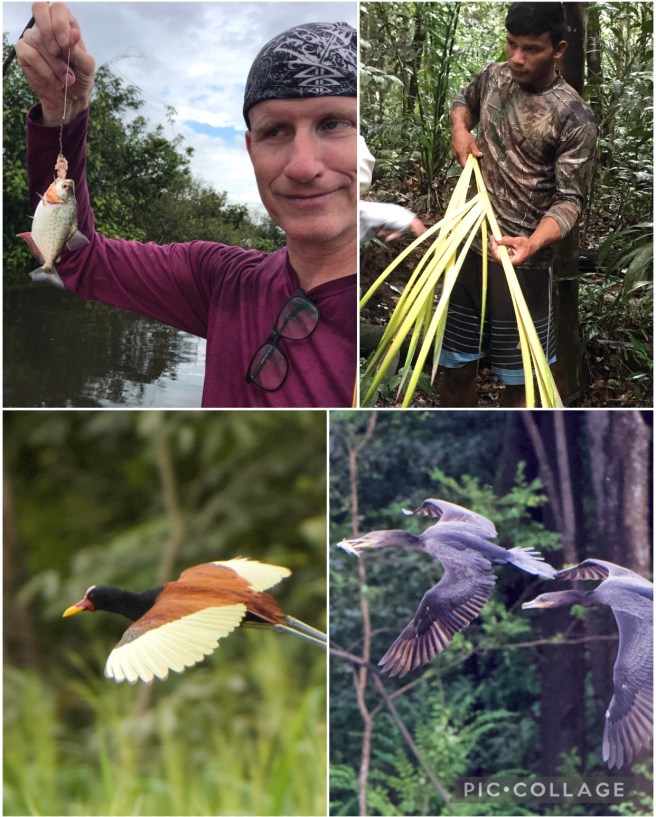
Manaus was very interesting, but the main reason people go to Manaus is to book a tour to stay in the Amazon jungle. We booked with Amazon Authentic Jungle Tour, and they set us up with a small group to head out for five days, four nights. We stayed at a lodge on Lake Mamouri, and each day we had a morning excursion (by foot or by boat) and an evening excursion (usually by boat). We really enjoyed the whole trip. We got to go piranha fishing, cayman spotting, and dolphin spotting. We also did a lot of bird watching, including several species that only live in the Amazon, such as the huatzin bird. We walked through the rainforest and learned about walking palms, acai trees, Brazil nuts, and other forms of palm trees. We sampled cupuacu (custard apple), lime, coconut, avocado, tucuman, and guava. We watched our guides, Carlos and Jefferson, show us how to make a thatched roof from a palm frond, and how to use the formalin from ants to disguise their scent when hunting. We visited a local village and saw their school and their church. Over the course of our days in the rainforest, we toured both terra firma and várzea (the flooded forest). When we visited it, we were in the middle of the wet season- from the beginning of the wet season to the end, there will be a difference of eight meters of water.

Exploring the Amazon rainforest

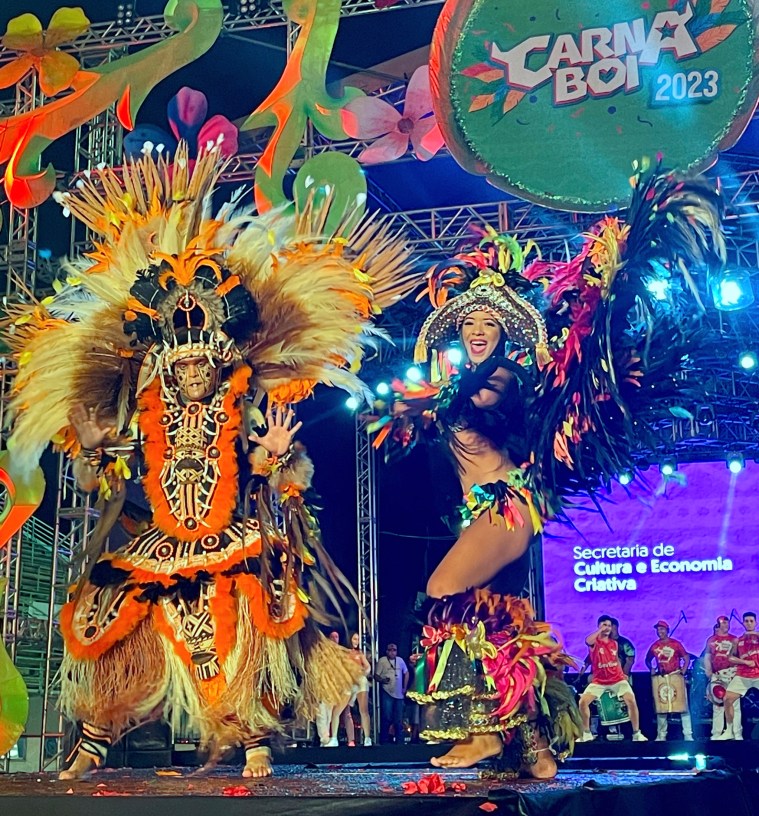
When we returned from our river trip, we lucked out, because for the next two nights, the city of Manaus celebrated what they call “Carna Boí”. It is a combination of two festivals, marking the end of the Carnaval season, and the beginning of the Boí Bumbá (Beat the Bulls), an indigenous celebration. For two nights, dance teams and singers take the stage at the Sambódrome, along with flags, elaborate costumes, musicians, and of course the huge crowd singing along. It begins at 7 pm and the last group takes the stage at 2 am. We went one of the two nights, and we were glad we did! What a fun night!

CarnaBoi

Rio de Janeiro

We thoroughly enjoyed our time in the north of Brazil, but of course you can’t visit this country without going to Rio de Janeiro, so made sure to leave time to spend a week there. On our first day we booked a walking tour, so we could see the National Library, the theater, and the cathedral. We learned about the history of the Portuguese royal family, who came here during the Napoleanic wars, marking the first time a European state has ruled from one of its colonies.

Brazil Rio de Janeiro

After a couple of days in the center of the city, we rented an apartment at Copacabana beach, and started working on our tans. When we weren’t swimming in the ocean or walking on the beach, we sampled drinks such as caiparinhas (made with cachaca, lime, and sugar), ate some local foods like feijoada (bean stew), churrascaria, and picadinho (meat stew).

A beach vendor at Copacabana Beach

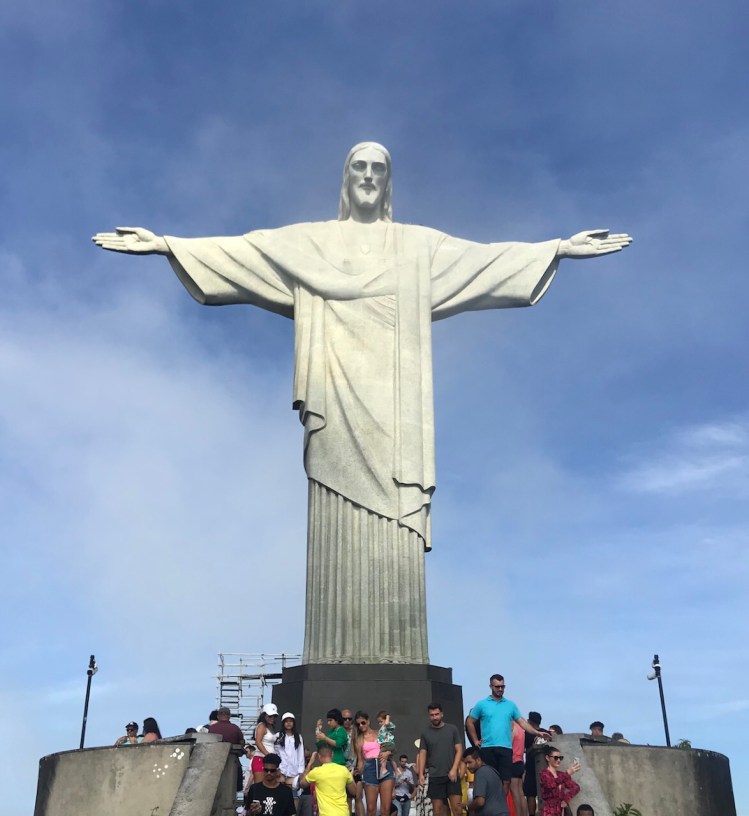
We also visited Sugarloaf Mountain, taking the cable car to the top, to take in the view of Guanabara Bay and the city’s famed beaches. On another day we rode the cog train up through the Tijuca Forest, the largest urban forest in the world, to visit the Christ the Redeemer statue at the top. Although Rio has an excellent bus and metro system, the taxis and Ubers are so inexpensive here, we just used our Uber app and for $2-$3 we could visit these sights, or Ipanema Beach, without breaking a sweat.

Fortaleza

Hopping northward from Rio to our next country, Suriname, we stopped in Fortaleza for a few days to explore the capital city of the state of Ceara. Reminiscent of South Beach in Miami, the city features miles of sandy beaches, and dozens of high-rise condo buildings fronting the beach promenade. At dusk, parents, children, runners, bikers, and walkers use the car-free promenade to get in their daily workout, and then eat at a beach-side cafe or shop at one of the dozens of stalls selling hats, bikinis, coverups, and more. We also visited the Ceara Museum of Sight and Sound, and the Ceara Cultural Arts Center. We were pleasantly surprised by the quality of attractions here- although our time at the beach was our main focus.

The beach promenade of Fortaleza

The Metropolitan Cathedral

Brazil is the 5th largest country in the world, and there’s just no way to see it all in one month. Happily, we had already visited Iguazu Falls when we were in Argentina/Paraguay. Hopefully this trip is just a start in exploring all that this friendly country has to offer. For now, we are heading north, so keep an eye out for our next blog post, which will cover Suriname, Guyana, and French Guiana.

Bolivia: A Country of Contrasts

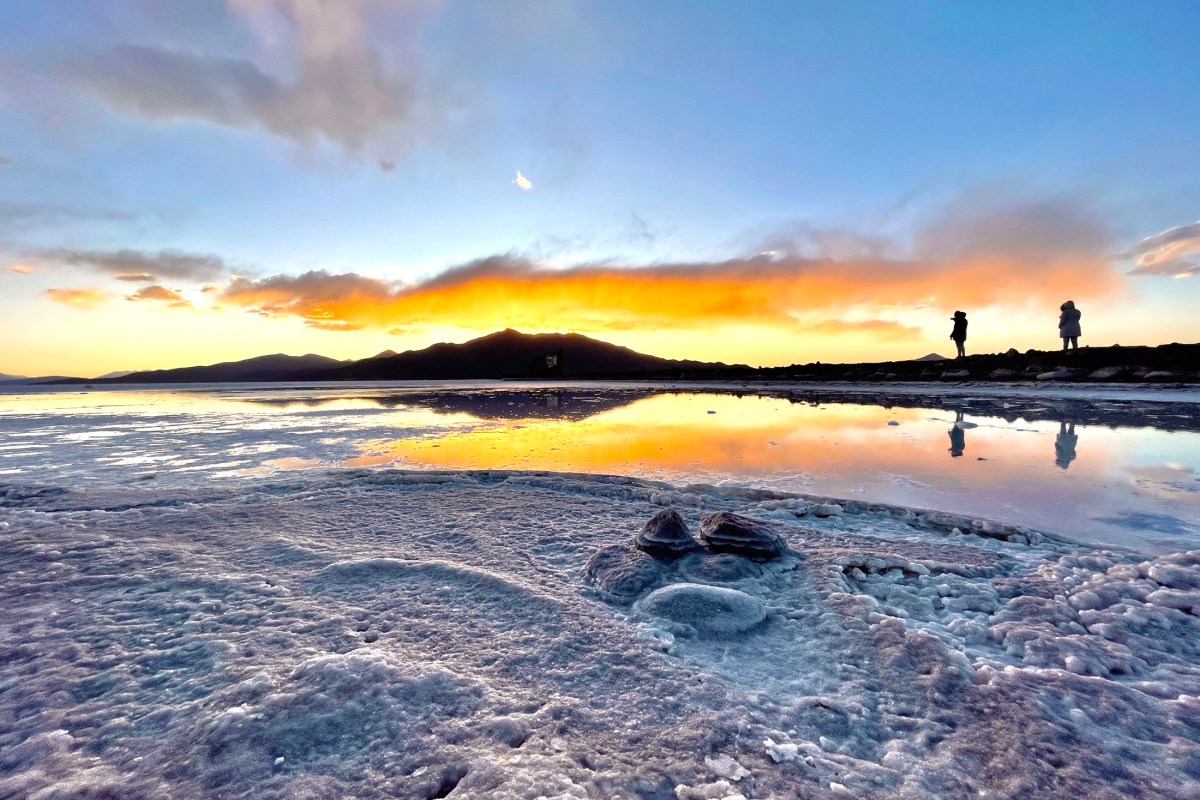
Salt desert sunset bolivia

Our Bolivian adventure began at the southern La Quiaca/Villazon border, where, despite having all our documents printed and ready to go (visa application, visa application confirmation, hotel itinerary, exit flight, yellow fever card, and our bank statement, plus $160 in US cash), it still took us more than six hours to get the actual visa stamp. But we prevailed, and at last we had our 30 day visa for Bolivia.

Deah Argentina Bolivia
Waiting…. patiently… for the Bolivian consulate to re-open after a lengthy lunch

Uyuni

We immediately headed for Uyuni, where we booked a tour with Discovery Colored Lagoons for a three day, two night tour of the Salt Desert. What am interesting area! On the first day of our tour, we visited the old train cemetery, where rusted locomotives that once extracted Bolivia’s mineral wealth now rest. We saw the Dakar rally monument from the years that the race passed through this part of the continent . We visited the Salt Flats, and took fun “perspectives” pictures. And that night we stayed at a hotel made of actual salt bricks.

Chris and Deah Salt Desert Bolivia
The endless stretch of white salt desert makes trick photography fun.

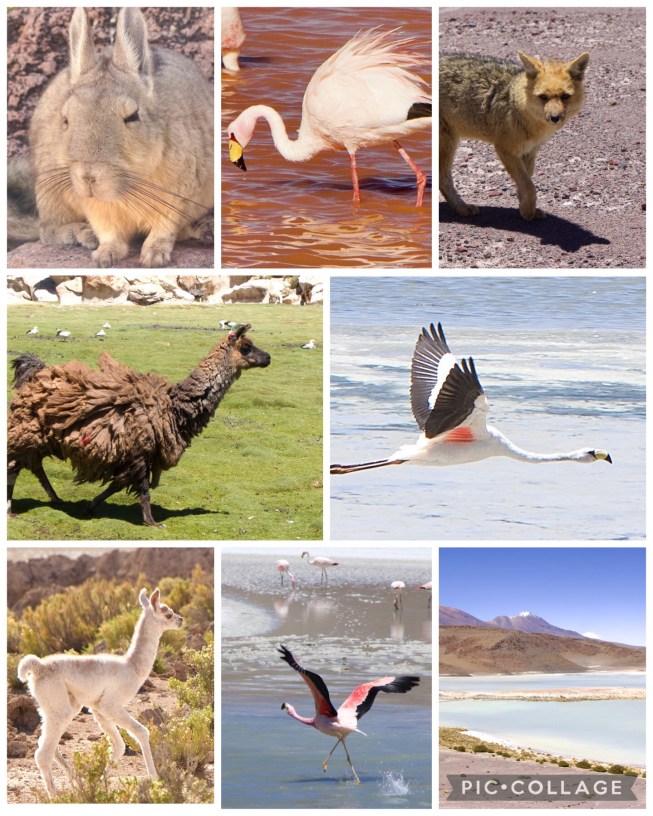
For the next two days, we drove around the desert with our tour group, visiting several lagoons, looking for flamingos, vicuñas (wild llamas), and viscochas (wild, long-tailed rabbits). Ringed by volcanoes and mountains, the altiplano desert in Bolivia is stunning. The second night of our tour, after dinner, we soaked under the stars in a natural hot spring, while our guide pointed out the Milky Way and the Quechua constellations. Wow! A night to remember, for sure.

Salt desert lagoons
The colored lagoons of the Uyuni Desert

Potosí

After our tour, we went to Potosí, home to a silver mine (Cerro Rico) that has been in constant active use for more than 500 years. This small Bolivian city once had more inhabitants than Paris or Madrid! The backbone of the Spanish empire’s mineral extraction, Potosí was home to hundreds of silversmiths. We went on a tour of the Museum de Moneda- which was really fascinating – as well as a tour of a working mine (booked through Koala Den). Well, Chris did. I only made it 20 minutes before I had to leave the mine- claustrophobia really caught up to me! In addition, being one of the highest altitude cities in the world, it was hard enough to breathe outside, let alone inside a mine deep in a mountain.

Potosi Bolivia silver mine
A miner getting ready to go back into the mountain to look for more silver ore. In a good month he will make approximately $100, after paying for his equipment, supplies (including buying his own dynamite), and tax to the mine company and the government

Sucre

After Potosí, we took a bus to Sucre, where we spent New Year’s Eve. The day before the holiday, we went to the Parque Cretacico, home of more than 5,000 dinosaur prints preserved from 65 million years ago in limestone. It was a fun outing! On the bus ride there, we met a gal from our Facebook travel group Every Passport Stamp (for super nerdy travelers like ourselves), as well as two Kiwis that we wound up spending New Year’s Eve with. It was nice to share the holiday- and a meal at a French restaurant- with some new travel pals.

La Paz

I could not face a 12 hour bus ride from Sucre to La Paz, so we found a quick flight and arrived in record time. We stayed three nights in a beautiful, 400 year old building that once housed a monastery. La Paz is… a busy, crowded, bustling city. Technically not the capital of Bolivia (constitutionally, Sucre is), La Paz is viewed as the administrative capital of the country. The best thing I can say for La Paz, and it’s sister-city El Alto, is they have a pretty cool cable car system. With 28 stations and 8 lines, it’s a fun and easy way to get around the two cities, without spending hours in traffic breathing in the fines from the trufli in front of you.

The cable cars can get you from 3000 meters above sea level to more than 4000 meters in no time at all… and for less than $1USD a ride

Lake Titicaca

Several travelers we had met along the way had encouraged us to go to Isla del Sol on Lake Titicaca, which is just three hours from La Paz. We bussed out to Copacabana, at the edge of the lake, and spent one night there. The next day we took a boat to the Isla, which is considered to be the birthplace of the Inca Empire. This simple, peaceful island has no roads or cars, and only about 800 families live there. We spent the next two days hiking along the Inca Camino, visiting the Roca Sagrada, and looking at 500-year old ruins of a small Incan village. The main town of the island, Yumani, site at 4,100 meters above sea level- while the days were warm, the nights were cold! We huddled under our alpaca wool blankets at our hostel, the Palacio del Inca.
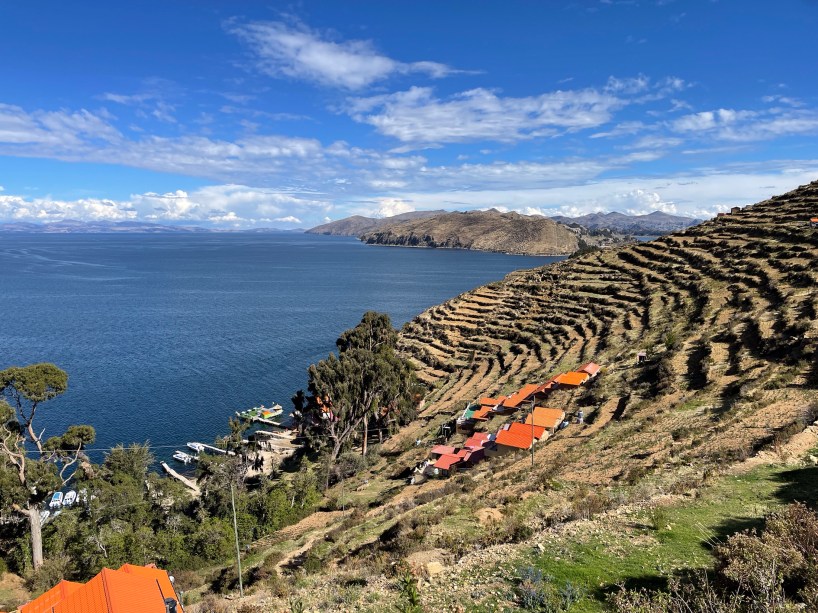
Relaxing on Isla del Sol, halfway between mainland Peru and Bolivia

Samaipata

After Lake Titicaca, we were nearing our time to leave Bolivia. Our exit flight was from Santa Cruz airport, in the eastern sub-tropical part of the country. We flew there (rather than taking a 17 hour bus), and spent our last 3 days in Samaipata, a small village in the hills just outside of Santa Cruz. Peaceful, walkable, surrounded on three sides by Amboró National Park (also called the Cloud Forest due to low-lying fog), this town was a treat to relax in. The hammocks at the Andorina Hostel were the perfect place to read a book, write a blog, or take a nap. On one day we walked into the hills to visit an animal rescue park, but mainly we just… chilled out.

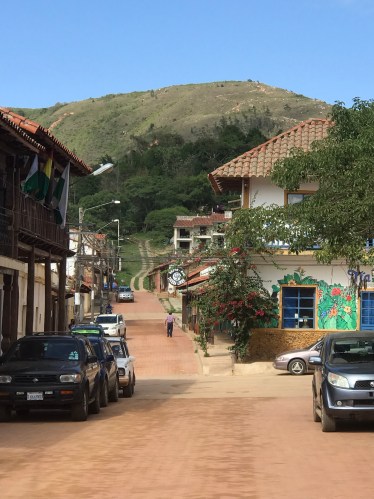
Dirt roads, green hills, blue skies… Samaipata is super relaxing
This part of our travels is tapir-ing off to an end

And then it was time to leave Bolivia. We were ready for a break from our travels, and wanted to codon friends and family in the US for a bit. In a month we’ll continue our South American adventures, probably starting with Brazil. Stay tuned!

South America’s Small, Land-locked Paraguay

Paraguay maté straws

Paraguay seems to be the forgotten country of South America! Nestled amongst its neighbors, it’s easy to overlook this fairly small nation. But Chris and I are nothing if not completionists, so we didn’t want to skip it. And since we were headed to Bolivia anyway, Paraguay was on the way.

Slightly down at the heels, most of Paraguay looks like it’s heyday was a while ago. 📸: B.Jedlinski

Paraguay

After visiting Iguazu Falls on both the Argentinian and Brazilian sides, we wanted to give the Paraguayan side a chance. We crossed the border into Ciudad del Este, and got a taxi up to Itaipu Dam, on the Paraná River. The largest hydro-electric dam in the world (by some measures?), you can go on a free tour by showing up at their visitors center (get there before 4:30 pm!). The dam supplies 90% of Paraguay’s power, and 15% of Brazil’s. Impressive! We enjoyed our bus tour around the dam and seeing its inner workings. If you go at nighttime on the weekends, they put in a light show at the dam. Fun to watch!

The dam spreads across 8 km of water
A fine looking dam, or damn fine looking? Chris at Itaipu Dam

From Ciudad del Este, busses leave several times a day to the capital of Paraguay, Asuncion. At the height of their summer season, it was hot and muggy there. We found a cute little AirBnB to stay in, and enjoyed the air conditioning, Netflix, and washing machine. Perched high in our sixth-floor apartment, we could look out over the leafy tree tops of Asunción and take in the city from above. Several bars and eateries dotted our neighborhood of Tacuari, just out of the central downtown area.

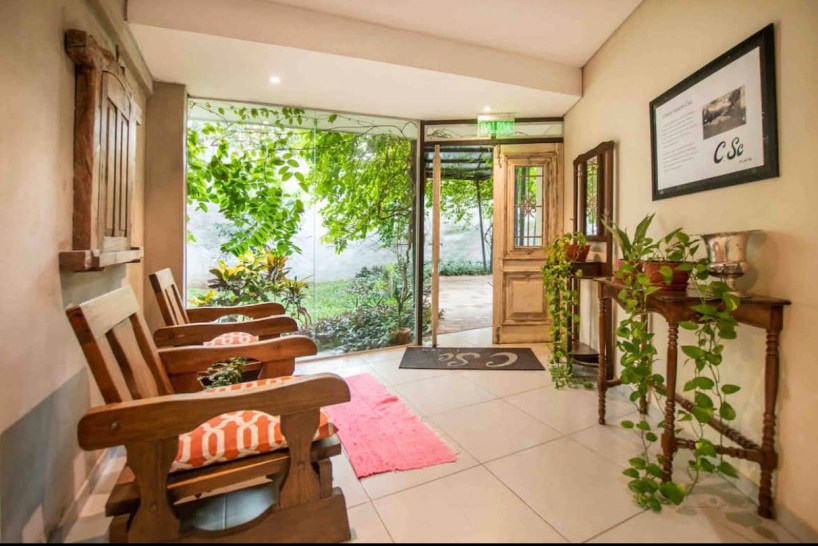
Marcelo’s AirBnB was our home away from home for 3 days!

We did take a walking tour of downtown Asuncion, and our Guru guide gave us a good overview of the history of the area. Like a lot of South American cities, it’s hard to see what’s behind high brick walls and gated entries. Our guide took us inside several of the classic Spanish Colonial architecture style buildings and we got to find out what was inside them.

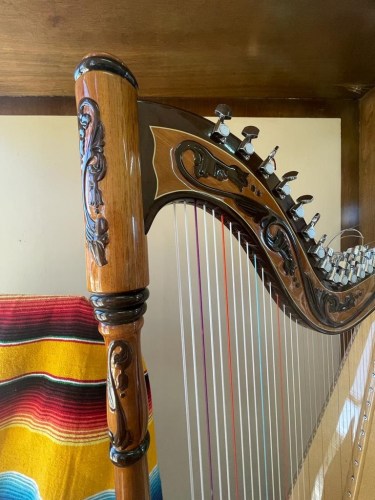
The harp is an important instrument to Paraguayans- they hold the world record for most number of harps played in one concert
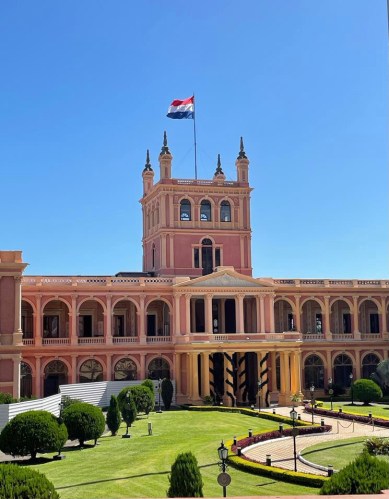
Palacio del Lopez, Asunción
Museum of Sacred Art

Probably the most important thing we did in Paraguay was learn how to drink maté there. In Argentina, they drink it with very hot water, but in Paraguay, they drink it with cold water and sugar. We found a maté seller in the park, and got a pitcher of cold (hopefully filtered) water and a cup of loose herbs ((Paraguayans also tend to use fresh herbs, while Argentinians settle for dried). Using their special maté straws, we sat in the Plaza de la Libertad and sipped the slightly bitter tea, just like the locals.

We could choose between taking a 3-times-a-week, 18 hour bus through Paraguay’s western Chaco (outback), and Bolivia’s eastern Chaco, or taking a bus south into Argentina for a quick visit, and then heading to Bolivia. We still had some Argentinian pesos to spend, and who doesn’t love one more steak dinner? So we hopped on an overnight Norte de Bis bus from Asuncion to Salta (via Resistencia), and spent a few more days in northwestern Argentina. You can read about that here. And then: Bolivia!

Have you visited Paraguay? What was your favorite part? I wish that we’d had time to visit the Jesuit ruins near Encarnacion, but by the time I read about them, we were already on the other side of the country.

From Ushuaia to Iguazu: An Adventure through Argentina and Uruguay

20221105 argentina, buenos aires street art

As it is the world’s eighth largest country, it’s difficult get a trip through Argentina into just one blog post. And to add Uruguay in as well! But I will do my best to give the highlights and most pertinent information from our month here in this beautiful part of South America.

If you are a carnivore, look no further than Argentina

Patagonia

Our Antarctic cruise docked in Ushuaia on Thanksgiving Day, and after making it clear to us that yes, we really needed to leave the boat (or pony up a quick $4000 for the next sailing), we found our guesthouse and set about to getting our land legs back. We took a local bus to Tierra Del Fuego National Park and did some hiking out there ($15 US for the round trip bus tickets, and $10 US/ 3000 pesos for the entry to the park). The park borders the Straits of Magellan, with the snowy peaks of Chilean mountains visible just a few miles away. Later, we listened to the sounds of an entire town cheering as Argentina scored in the World Cup. We also visited the Western Union to get some cash (the “Blue Dollar” rate for USD is twice as good as the “official” ATM rate). Armed with – literally- fat stacks of cash, and nowhere to go but north, we took a night bus up to Calafate.

Once thought to be empty of people, explorers named this area “Tierra del Fuego” when they saw cookfires from their boats

Calafate is the home to several of Patagonia’s national parks, including the Perito Moreno glacier. As our bus rolled through mile after mile of pampas, we saw plenty of rheas (a type of ostrich), guanacas (a type of camelid that looks like a llama), rabbits, sheep, and mara (long-legged relatives of the guinea pig). Calafate is a cute little town filled with great parrilladas (grills) and North Face clothing outfitters, there are endless opportunities in Calafate to get out and enjoy nature. From hiking, to boating, to horseback riding, the Argentinian side of Patagonia does not disappoint. And the long days in the Southern Hemisphere’s summer make it easier to fit it all in.

We spotted these Commerson’s dolphins- also known as panda dolphins- as we ferried across the Straits of Magellan leaving Ushuaia

It’s nearly the same price for the public bus to the Perito Moreno National Park as it is for a tour shuttle, so we opted for Caltour to pick us up, take us the 80km to the glacier, and return us to town four hours later ($25 USD for the bus, and about $13 entry/4000 pesos). While out at the park, visitors can walk along boardwalks that face the huge glacier, waiting for a loud crack! and a chance to film the ice calving, and they can opt for a boat that gets up and close (but not too close) to the glacier at the waterline.

I was so excited to have caught this huge chunk of ice calving off the Perito Moreno glacier!

From Calafate we faced a choice. We could take a 24 hour bus ride along “Route 40” to the picturesque town of Bariloche, in Argentina’s Lake District, and then another 21 hour bus to Buenos Aires… or we could take a 3 hour flight. We decided on the flight.

The Argentine flag flying proudly in front of Buenos Aires’ Congress building

Buenos Aires

Buenos Aires is a lively city, that barely seems to sleep. It has a very European feeling to it, in large part due to the huge numbers of Italians who migrated there during the early part of last century. The Italian heritage of the city can be felt in the high percentage of bookshops, coffee culture, pizza, and ice cream.

The obelisk in Buenos Aires makes an excellent reference point when roaming around the city

We wound up spending eight days in Buenos Ares and were able to experience a few different neighborhoods. We visited Boca, home to BA’s most famous soccer team, and the nearby Plaza Dorrega for a milonga (an outdoor tango show). We had a walk through the Mercado San Telmo, eating a delicious choripan (chorizo sausage on bread, with a chimichurri sauce). We took a walking tour around the Palermo area and Recoleta, and saw Eva Peron’s grave, and another walking tour that taught us about different street art movements.

Tango dancers put on a show at Plaza Dorrega

For a couple of nights, we stayed in a private room at the Viajero Hostel, which was a really fun place to stay. We met some other travelers, took an empanada-making class, a tango lesson, sang in a karaoke night, and enjoyed a pizza tour of the city. Nearby, we visited the Ataneo Grand Splendid Bookstore, voted “most beautiful bookstore in the world” by National Geographic (and by me).

The Ataneo Grand Splendid Bookstore, a former theater

It’s easy to take a ferry ride to Uruguay, so when we were ready to leave Buenos Aires, we booked tickets with Bosquebus ferry ($100 USD by credit card online, or half that if paying the blue dollar rate in cash). We had time to visit the Puerto Madero nature reserve while waiting for our ferry, and then we were off to Colonia, Uruguay!

Uruguay

You can visit the small historic city of Colonia in just one day from Buenos Aires, but we stayed two nights and enjoyed strolling around the cobblestone streets, rhododendrons exploding everywhere, and trying out their “national” dish of chivito (a thinly cooked steak, with mozzarella, ham, tomatoes, mayonnaise and black or green olives, and commonly also bacon and fried or hard-boiled eggs, served as a sandwich in a bun). Colonia is definitely high on my list of places to see, a welcome respite from the hustle and bustle of Buenos Aires.

The lighthouse in Colonia rests against the one wall remaining from the city’s first church

From Colonia we took a bus to Montevideo, where we stayed for four days. You can also take a Bosquebus straight from BA to Montevideo, but it takes longer, and if you have to choose, I suggest Colonia. The bus between the two takes about 3 hours with stops, 2 of you catch an express. We arrived at Tres Cruces bus terminal, found our hotel (it felt strange to deal with credit cards again after using cash in Argentina), and signed up for a GuruWalk walking tour.

Spring has sprung; in fact, summer is nigh

Most of Uruguay’s 3.5 million residents live in Montevideo, but it is still not a super crowded capital city. There is plenty of shopping, the city is lined with beaches (on the Rio de la Plata, not the ocean), and there is a cute little historic center. They claim to have south Americas oldest working theater. I particularly liked their indoor port market, constructed from an old iron London train station. Our favorite experience there was when we happened upon a huge Candombe parade, featuring 25 local groups practicing their Carnival routines with drums, flags, dancers, and more. Wow! It was breathtaking.

From Montevideo, we took a six hour bus north to Salto, to visit the hot springs. Pro tip: take the public shuttle bus from Salto to Hot Springs Daymán, not a taxi! It leaves every half hour and takes just 15 minutes, and costs 50 pesos each person. We were mainly using Salto as a place to break our long journey north, but I did really like the town, and the hotel owners were incredibly kind and let us stay for a very late check out, as we had a night bus. We soaked in the thermal waters as long as we could. We crossed the border back into Argentina at Salto/Concordia, and took a night bus from Concordia north to Puerto Iguazu (13 hours, 15,000 pesos or $50 USD).

Soaking those aching joints!

Iguazu Falls

Arriving in Puerto Iguazu, the most northern city in Argentina, it was noticeable hotter and more humid than anywhere else we’d been so far. Luckily, we got a hotel with a pool, and were able to cool off in the water. The public bus runs to the Iguazu Falks National Park every thirty minutes, so it was easy to catch a bus and visit the park on our own (entry 4000 pesos/ $12 USD at the Blue Dollar rate). And… wow. It is impressive. The sheer magnitude of water forming the falls, 3 km wide and 80 meters tall, is astounding.

The falls from the Argentinian side
Iguazu wildlife: a butterfly, two coaties, a capuchin monkey, and a toucan

The following day, we took a bus over to the Brazilian side. And if I had been impressed the day before? Wow. Seeing the “Devil’s Throat” from the Brazilian side was incredible.

Chris at Foz do Iguaçu, Brazil

And with that, we’d gone from the southern-most city in Argentina to the northern-most. There’s no way to see all of this great country, but we tried our best. Now it’s on to Paraguay, and then Bolivia. Stay tuned!

Salta

(Edited 12/20 to add Salta). We wound up taking a night bus from Asuncion, Paraguay, and re-entering Argentina for a few days more days en-route to Bolivia. We arrived in Salta and spent a couple of days exploring this medium-sized city. We joined a walking tour that meets every night (Mon-Fri) at 6 pm in front of the cathedral and that helped us get oriented. Our guide also suggested dinner at El Charrua, which was probably the best steak dinner we had in Argentina. While we were in town, Salta had a free museum night, and we visited three of them. The most interesting, to me, was the Museum of High Altitude Archaeology, which features three of the child sacrifices from the Incas. Both creepy and fascinating, from a sociological and archaeological perspective!

Salta, the 5th largest city in Argentina

The next day was the final game of the World Cup, and of course Argentina was playing. What a game! We needed to take a bus towards Bolivia, so we watched with our bus mates and we all cheered as Argentina won. Champions of the world!! When we arrived in Humahuaca, our final city in Argentina, the entire town was gathering to celebrate.

Argentina celebrates the World Cup

The next day we spent a quiet day in Humahuaca. From the old town you can see the Andes mountains, and an area called “The Hills of 14 Colors”. The cobblestone streets and small buildings, along with the dark eyes and dark hair of the inhabitants were an indication that Bolivia was just a few miles away. The next day, we took a two hour bus, and arrived at the Bolivian border.

Humahuaca, Argentina