Trinidad and Tobago: Two Islands, One Nation

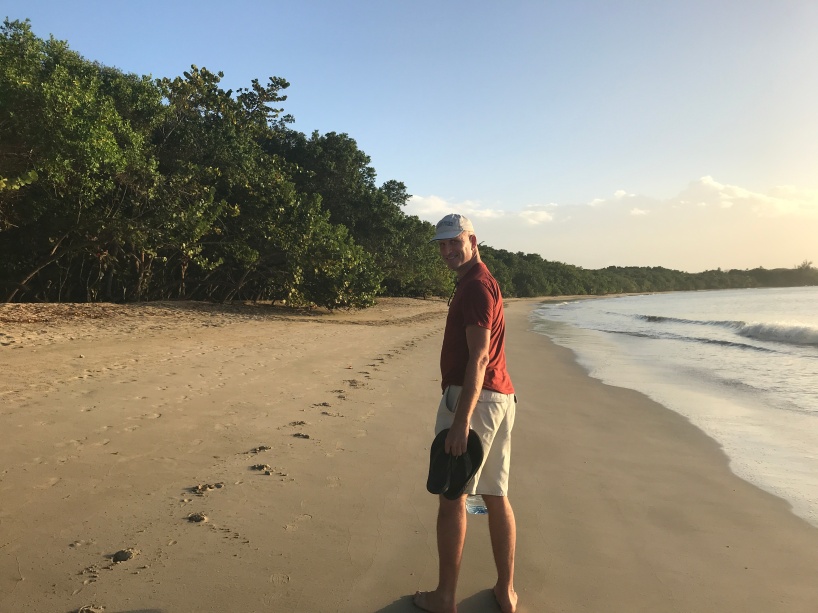
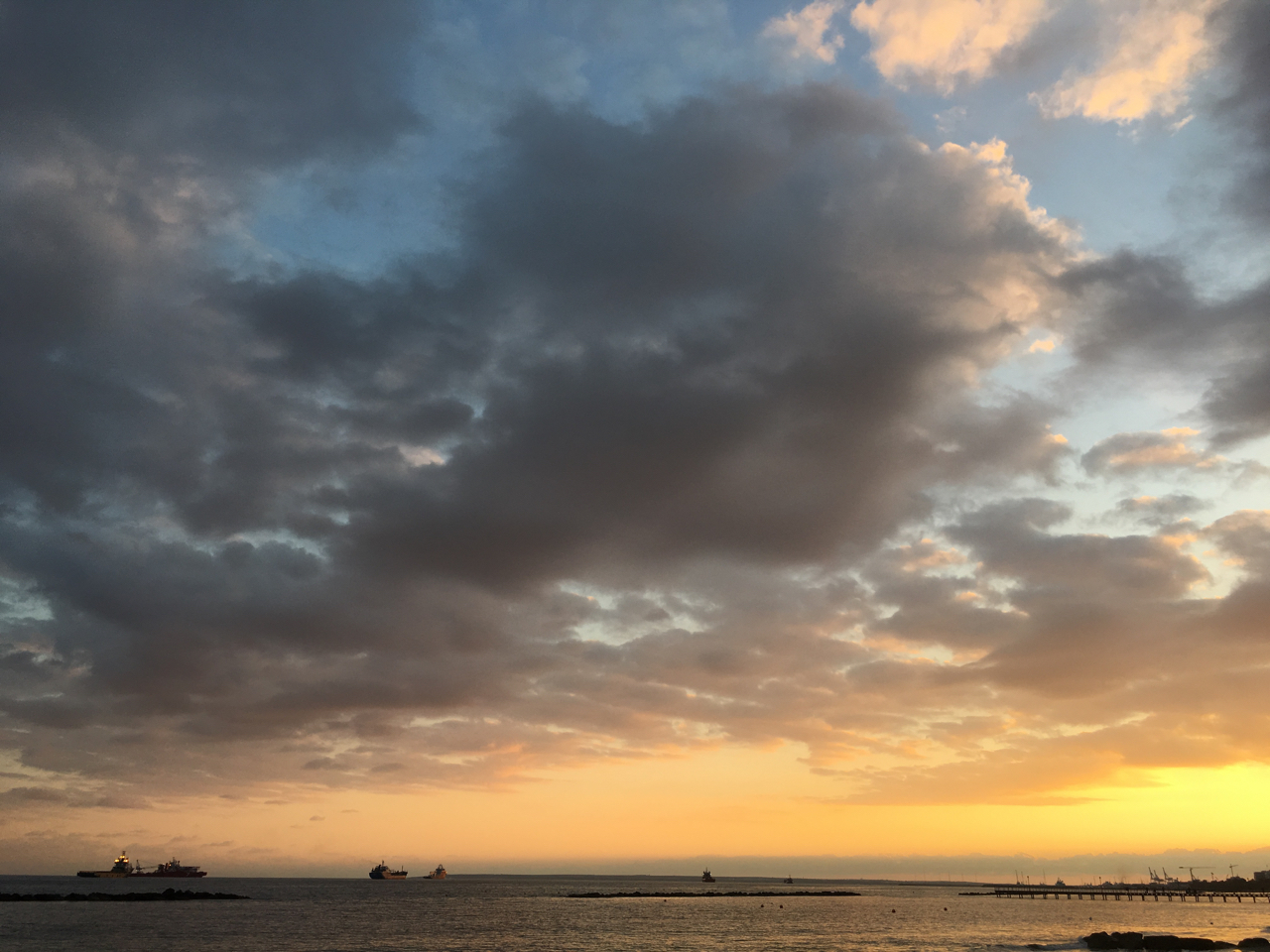
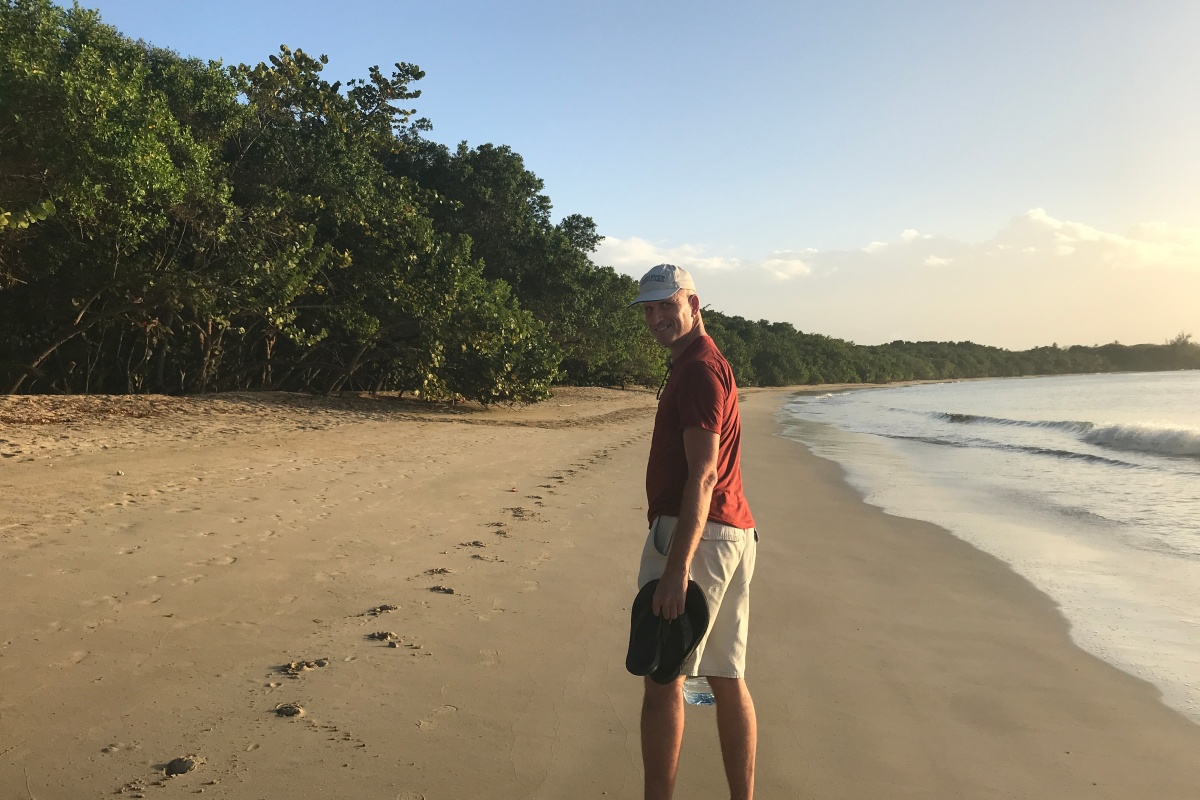
Chris walking beach Tobago horse tracks

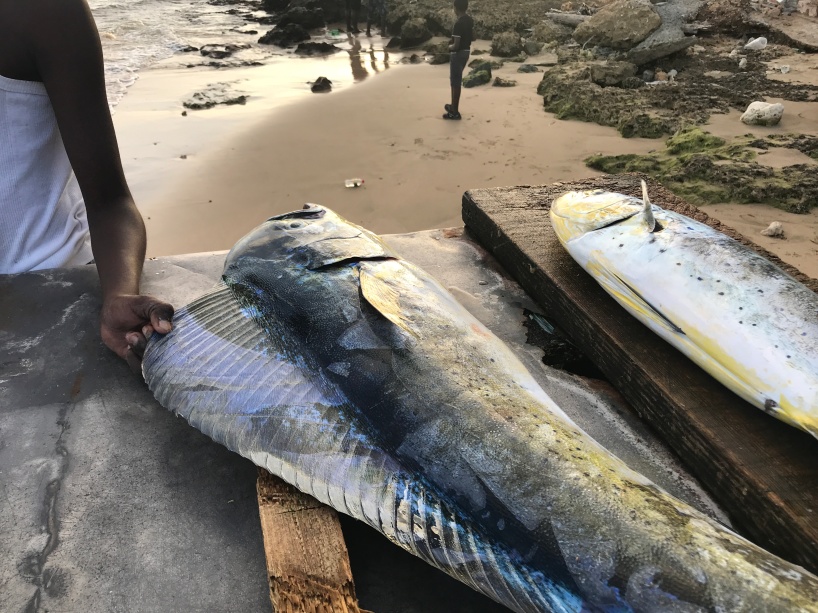
With a week off for Spring Break, we hopped on Air Canada for a flight down to Trinidad and Tobago. We spent the first three nights in Buccoo, a small fishing village in Tobago. Buccoo is very laid back; our days consisted of coffee and buns at the local bakery, hanging around the pristine beach, and watching the fishermen bring in their catch and the goats get ready for goat racing (yes, it’s a thing).

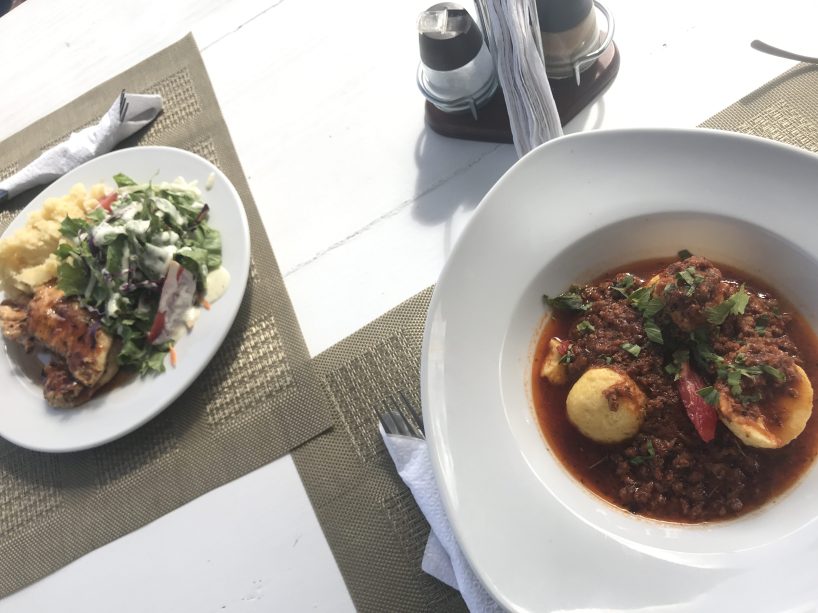
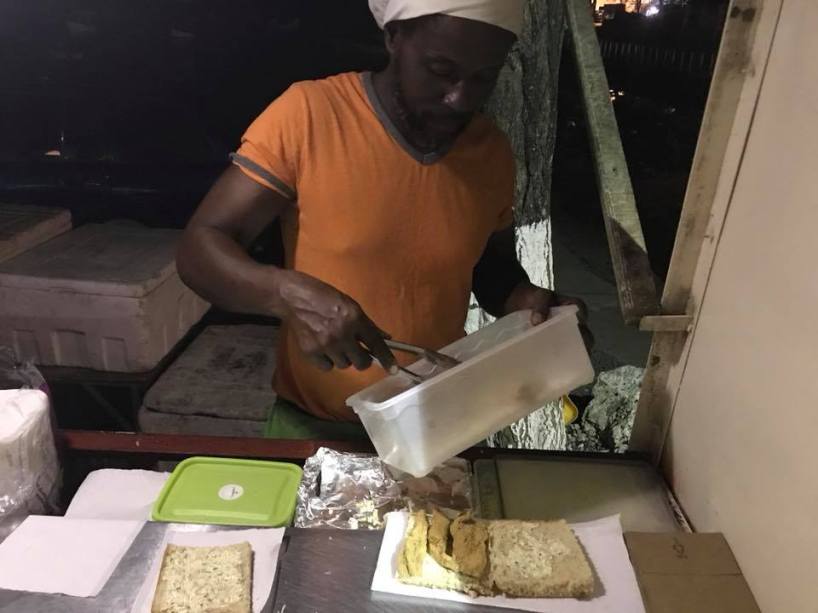
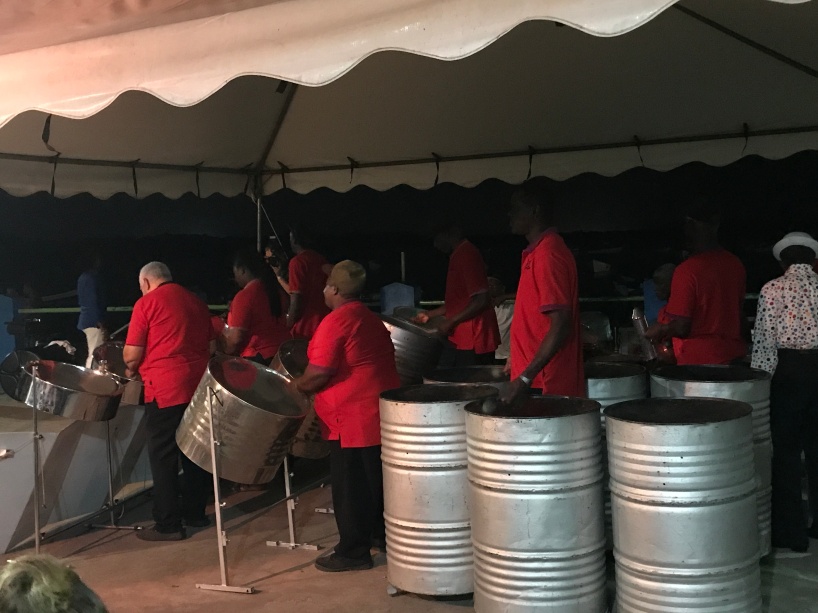
We stayed at Miller’s Guest House, which was an ideal location for us. They have an on-site restaurant, Luvinia’s, where we sampled a few wonderful dishes, but they also have a communal kitchen, where we cooked some freshly-caught cavalli fish with potatoes and carrots and mixed our own Angostura rum and Cokes. Also in Buccoo is the Sunday night party called “Sunday School”, an open-air forum where a steel band plays from about 9-10 pm, then a dj plays and the crowd, both local and tourist, dance until the early hours. A small bar sells Carib beer and rum drinks, and local vendors set up food stalls so you can try Tobago’s traditional treats, such as shark and bake (a fried fish sandwich on local bread), callaloo and saltfish, jerked chicken, macaroni pie, and beans. All of which is, of course, delicious.

From Buccoo, there are options for sightseeing. Pop’s Tours will set up a fishing expedition, a glass-bottom boat to the Buccoo Reef, a swim in the Nylon Pool, or an island tour to see some waterfalls. Healing with Horses is a local stable that will take you on a horseback ride along the beach to the popular Pigeon Point. We decided to take the local bus (always an adventure) into Scarborough, the biggest city on the island. There we visited the library (I’m a librarian, and I always like to see local ones- this one was really nice!! and air conditioned!!) and then we walked up to Fort King George to see the view and tour their museum, well worth visiting. We had a local lunch in town and then took the bus back (another adventure!).
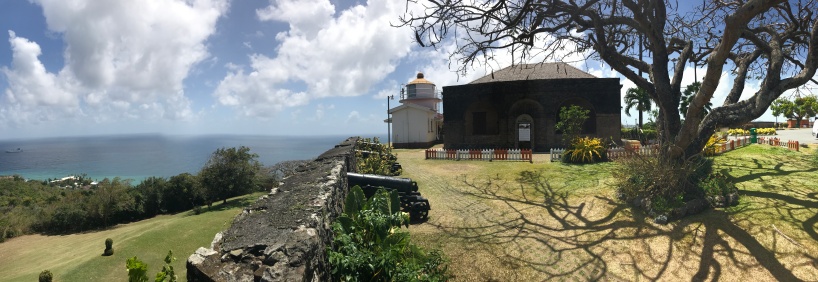
Fort King George Tobago Scarborough
Fort King George

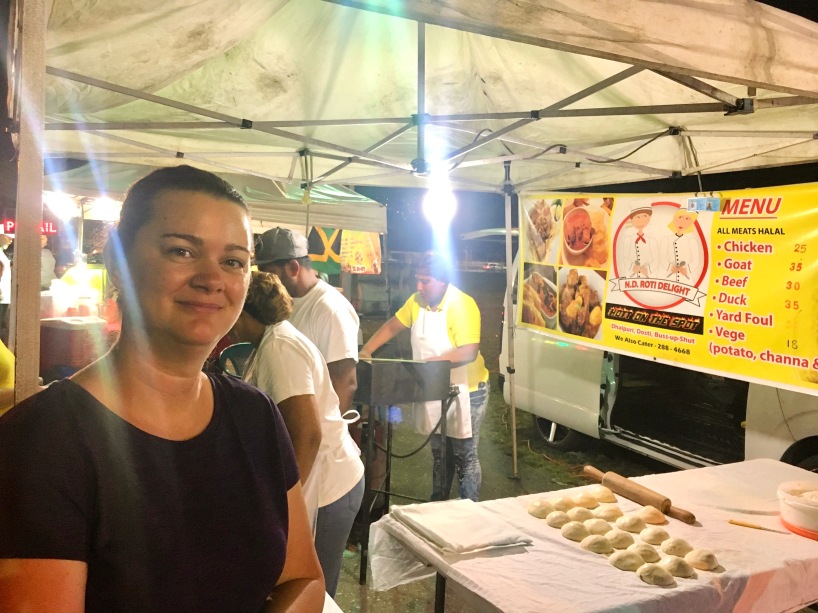
Then we took the 30 minute flight (at just $25, it’s really a much better option than the 4-6 hour ferry, which is often late and one of which caught on fire this week) to Trinidad, where we stayed in the capital city Port of Spain for three days. We stayed at the Inn at 87, a small inn by the Queen’s Park Savannah. Port of Spain is….well, it’s a big city, by island standards, and like all cities it has its high points and its low points. Arapiata Avenue, called “the Avenue” by locals, is where Carnival happens in February and where the bars and restaurants are located. The Queen’s Park Savannah is a large park which features a sporting stadium, and most nights (or at least weekends and festivals) there is a set up of local vendors and food stalls. There we were able to try the Trinidadian specials we had been on the look out for: doubles (a kind of Indian fry-bread topped with chickpeas, hot pepper sauce, sweet chutney, and coleslaw); roti (chapati with meat and aloo and pepper sauce); corn soup; and pholouri (a kind of dough ball, fried, and dipped in mango chutney or tamarind sauce).
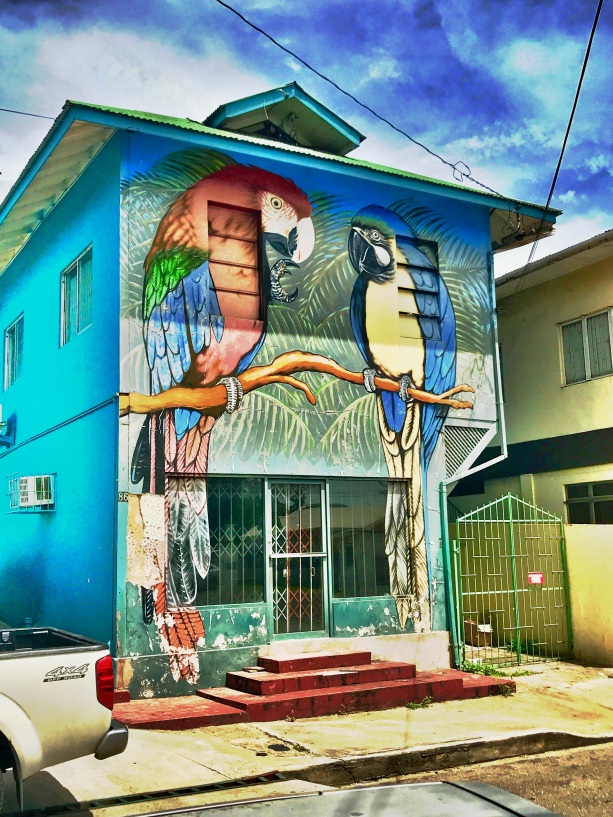
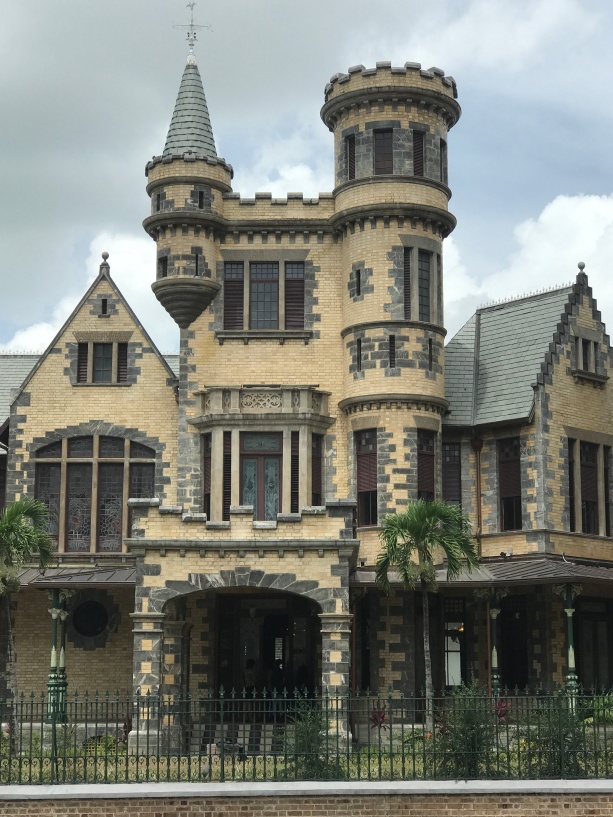
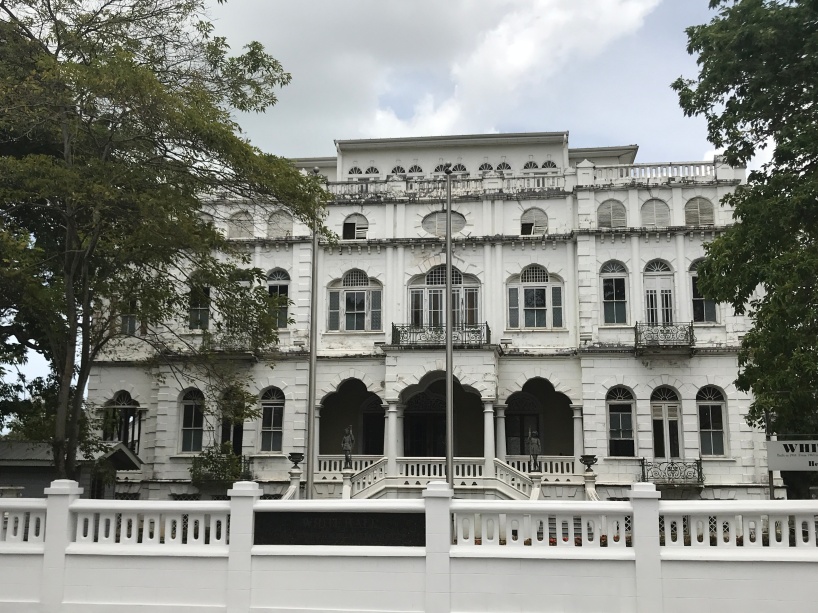
Along the western edge of  Queen’s Park there is a row of the “Magnificent Seven”, some historic buildings that date back to the 1800s, when Trinidad was a British colony. Along the northern edge of the park is the zoo, and next to that is the Botanic Gardens, nice to stroll through.  South of the park (which some say is the largest roundabout in the world, 3.7 km), around the Woodford Square area, you can find the Old Library (a lovely building, being restored), the Red House (the prime minister’s office), the Old Police Station (much nicer than the current “Hall of Justice”), and a museum. We used my GPSMyCity app to go on a self-guided walking tour of these buildings. Unfortunately for us, all of these were closed for the Good Friday/Easter weekend, but we did get to see the gorgeous facades. Happily, Bob’s on Marli (street) was open during the holiday so I didn’t starve (although not much else was open- Trinidadians take their public holiday VERY seriously).
For my last day in town, I hired a driver and explored out of Port of Spain a bit. He took me down to the Pitch Lake, the largest tar lake in the world. I got to walk around the spongy tar surface- don’t stand in one place too long or you’ll start sinking!- and I visited the museum there, which I thought was fascinating. Most of the world’s roads are made with pitch (tar) that comes from Trinidad!  There’s another tar lake in Venezuela (actually it’s the same as Trinidad’s lake, as they used to be connected millions of years ago) and one in Southern California. We visited a hot pepper sauce stand with some amazing sauces (so of course I had to buy a bottle to take home for Chris), and then we went by the Temple by the Sea, a Hindu temple in village of Waterloo (there is a large Hindu population of Trinidad, which greatly influences their cuisine). We also drove along the Caroni Bird Sanctuary, but it started to rain so we didn’t see many birds (there are over 480 bird species in Trinidad, many of them quite rare. They are known for their Scarlet Ibis).
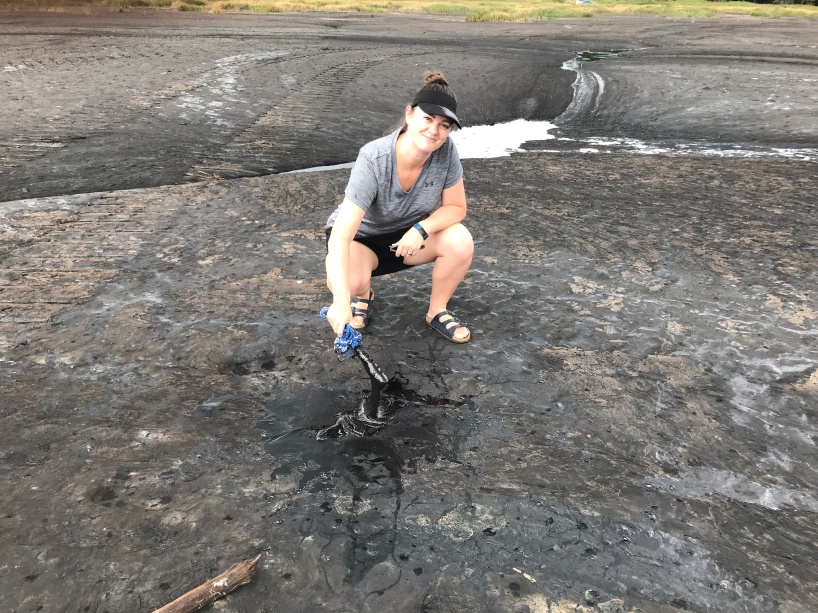
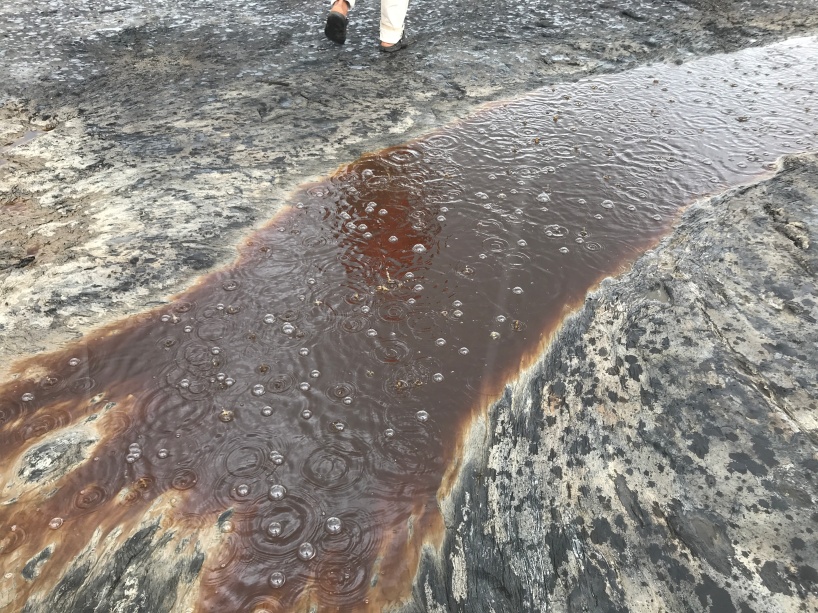
I flew home overnight on Air Canada, and had Sunday to rest up before heading back to work, ready to finish the last quarter of the school year. Chris had left Trinidad the day before me, and is visiting St Lucia for a few days before heading home. Here’s a shot he sent me from his hotel.
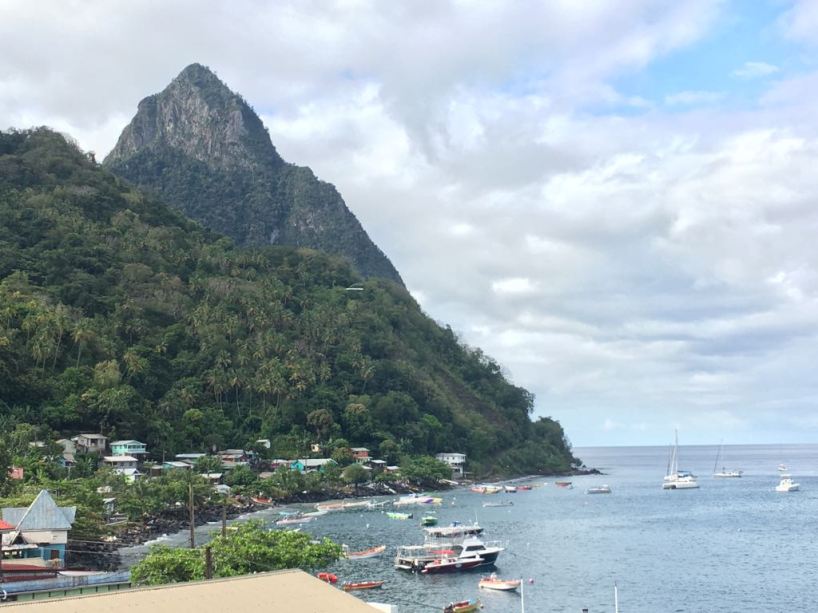
soufriere st lucia view of green mountain
Soufriere, St Lucia

*A note on visiting Trinidad and Tobago: currently, you pretty much have to land in Trinidad first and then fly on Caribbean Airlines to Tobago. However, a possible deal with JetBlue is in the works to get a direct flight into Tobago from some US cities. If I were to visit again, I’d skip Trinidad altogether. But, I am glad that I visited it this week, because that way I can give you all the facts about both islands in this interesting country. (okay, maybe not all the facts but you know what I mean).

Questions/comments about Trinidad or Tobago? Let me know in the comments section:

Three Unique Wineries in Northern Virginia

Wine Glass Two Types Of Wine Grapes White Bottle

There are many, many wineries in the state of Virginia. So many, in fact, that the state is divided into nine wine regions (not to mention nearby West Virginia, Maryland, Pennsylvania,and North Carolina, which all also have tons of wineries). Zeroing in on just the Northern Virginia region, where I currently live, there are 88 wineries officially listed Continue reading “Three Unique Wineries in Northern Virginia” →

Interview with Chris: Bahrain, Kuwait, Eritrea, Jordan, Lebanon, Cyprus

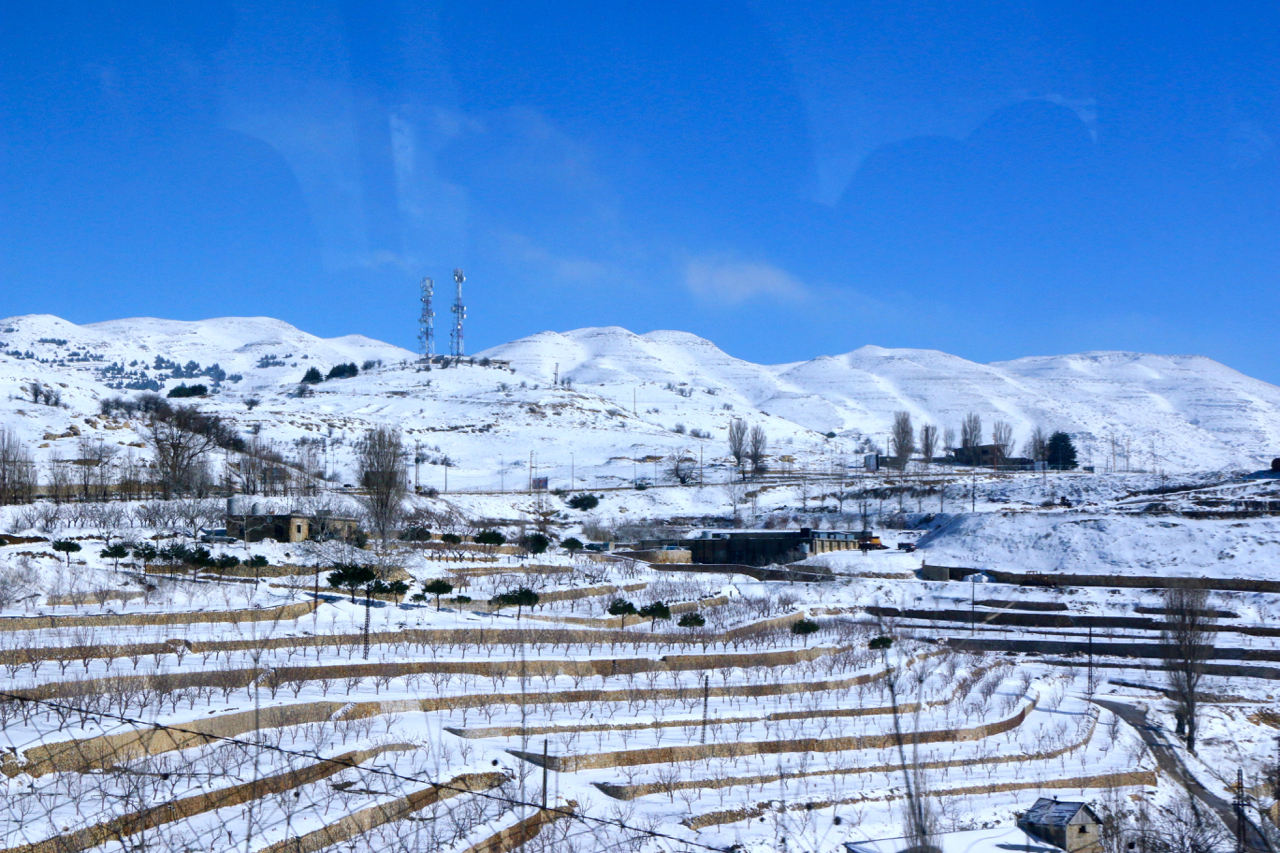
Lebanon, Beirut

After visiting Qatar and Oman for Christmas,  I had to fly back to the States to return to work.  Chris stayed in the Middle East to do a little more exploring. Here’s an interview with him about his six-country tour:

So, tell me about Bahrain.

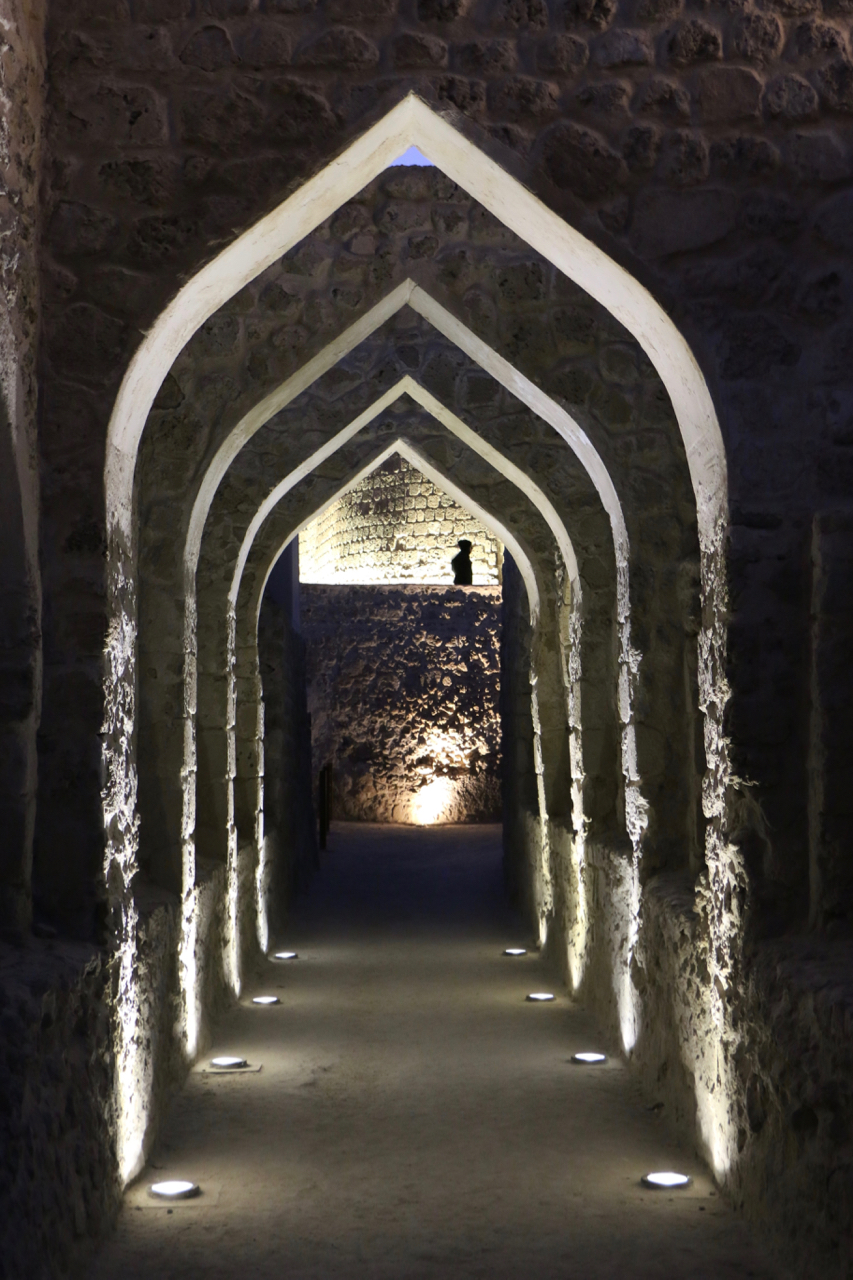
“Well, it’s a small island and most of it is one big city. A lot of bars, nightclubs, and nightlife catering to the Saudis coming over on the weekends. I visited Bahrain fort using public transportation, as well as the old souq, but mainly it’s a lot of skycrapers. The city is pretty spread out, not a very walking friendly.”

What was Kuwait like?

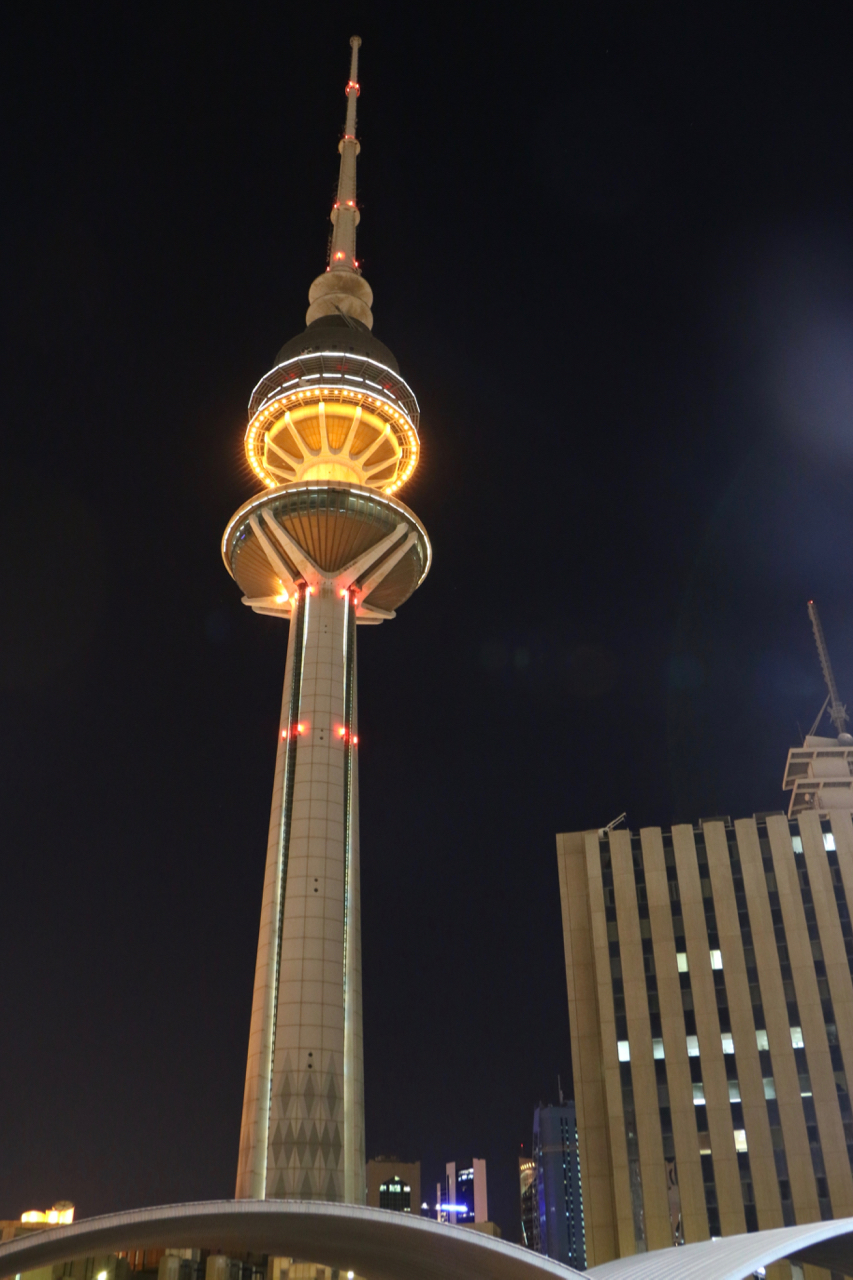
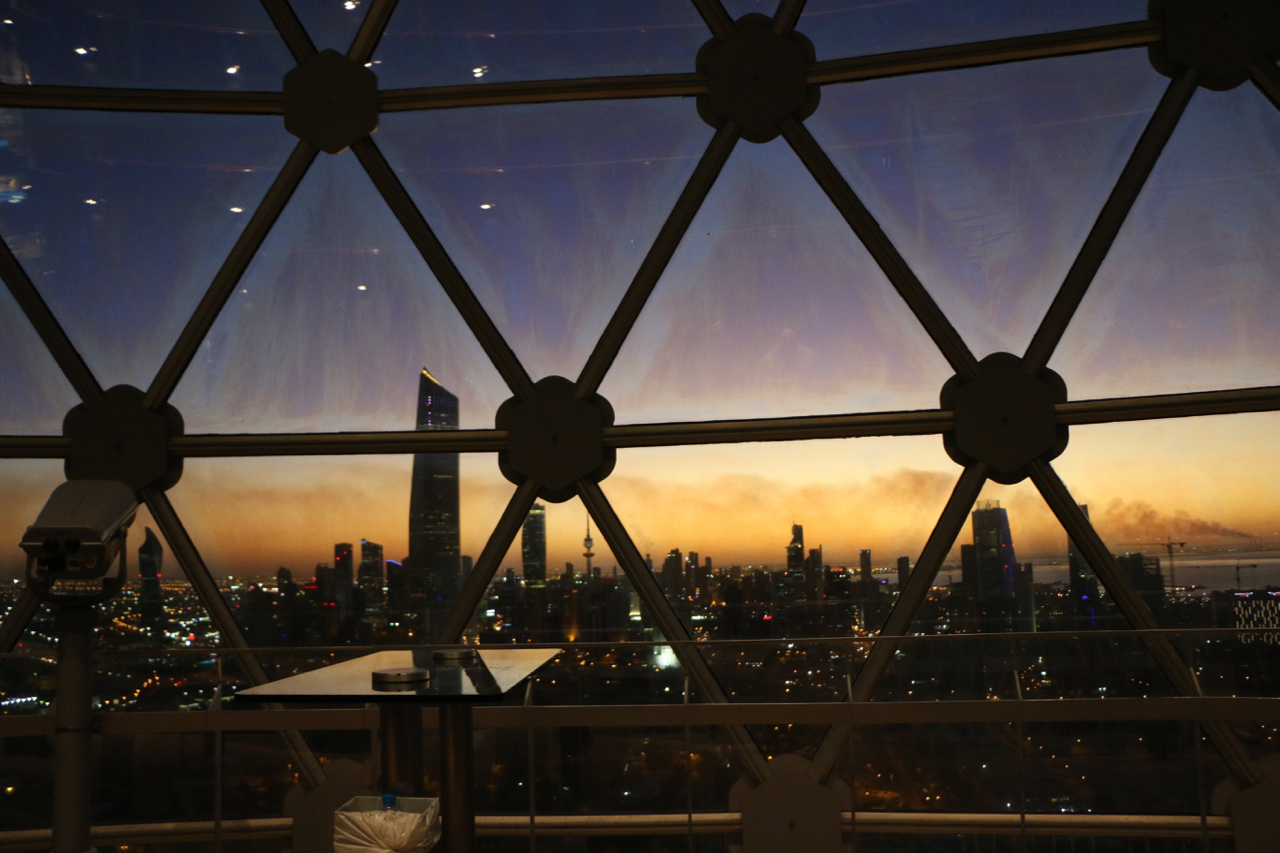
“Kuwait was pretty similar to Bahrain. The main downtown has skyscrapers and businesses, with a big souq/mall area in the center. The biggest tower is closed to the public, but you can go up inside the iconic Kuwait Towers, which look like giant balls skewered on sticks. The view from the inside is very nice. Public transportation is readily available but not all the places I wanted to get to were on a bus line. I went to the Al Qurain Martyrs Museum, where a bunch of Kuwaiti resistance fighters tried to hold off the Iraqis in 1991. It was closed when I got there, but the caretaker let me in after I told him I was in Desert Storm in 1991. The fish market and the corniche are a really nice area to walk around. “

Eritrea is a hard country to visit- tell us about it.

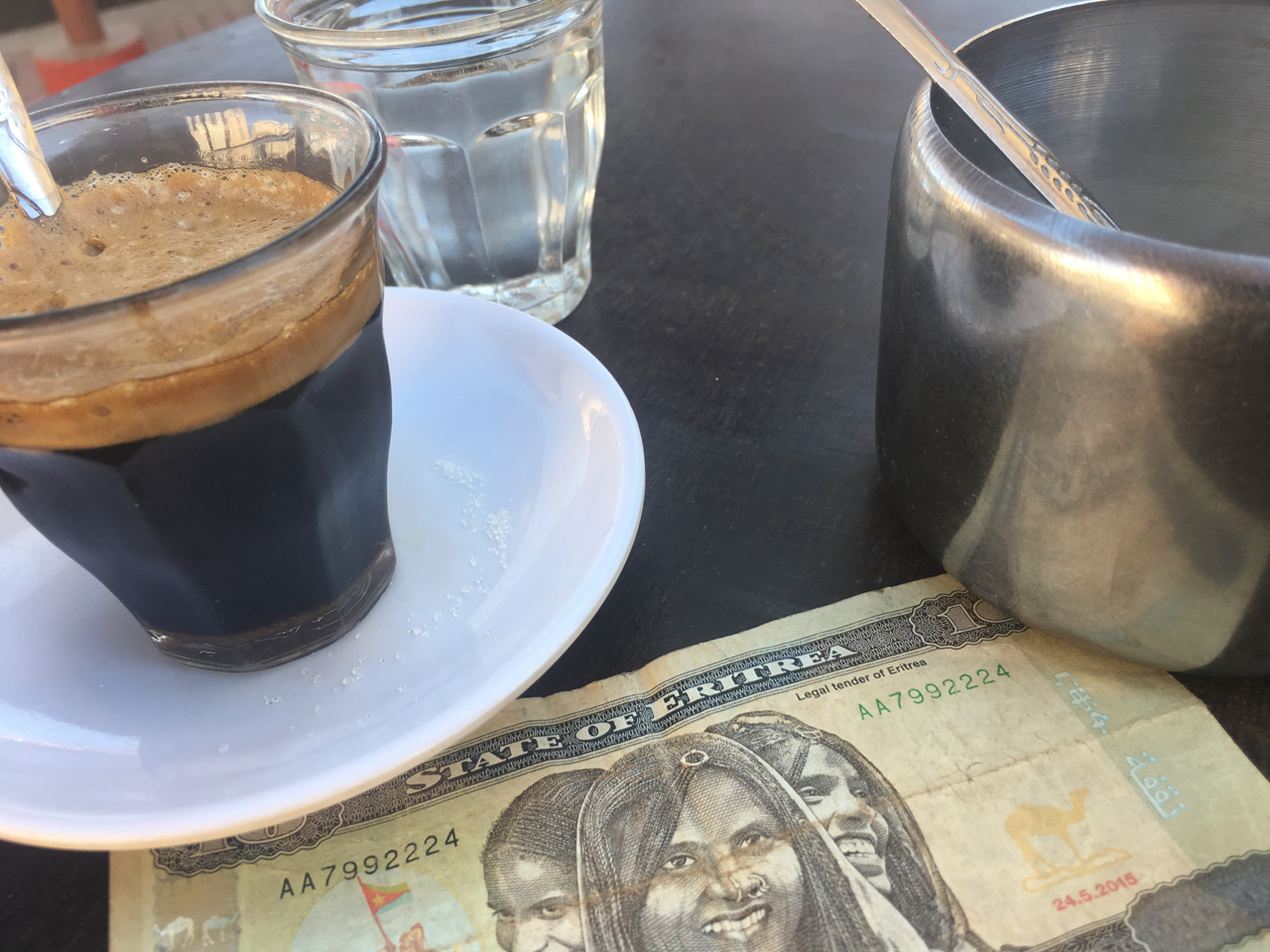
“Getting the visa prior to going was difficult but I finally managed one from DC. The visa only gets you into the capital- if you want to visit another area of Eritrea, you have to get a permit from a government official in Asmara. Asmara is a sleepy town with really nice people who are eager to speak to the few tourists they get. It has some nice old Italian buildings and a coffee culture. You can visit the tank graveyard from the war with Ethiopia (you will need a permit). I took a 3 hour bus to Massawa- spectacular scenery as you go from 9000 feet to sea level. Hardly any guardrails on the road so I was glad the bus was pretty slow. Massawa was practically deserted- it took “sleepy little town” to a whole new level. Very few tourists, a few business owners. I was able to do some snorkeling with their dive center but since there wasn’t any other tourists, we couldn’t organize a dive. Even right off the island of Massawa the coral was pretty good. A lot of the times the restaurants didn’t have much available on the menu but did generally have spaghetti and injera.”

What did you do in Jordan?

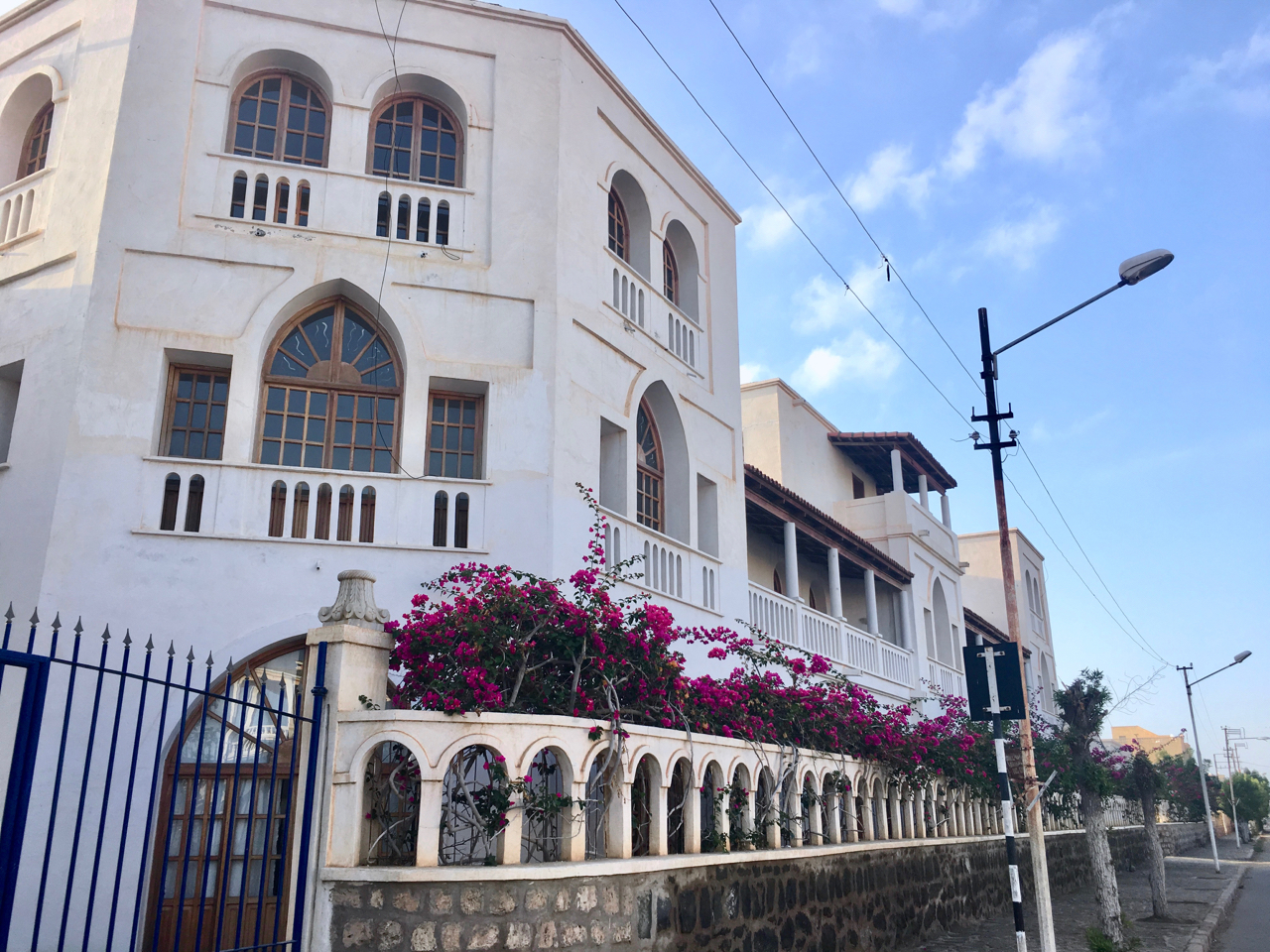
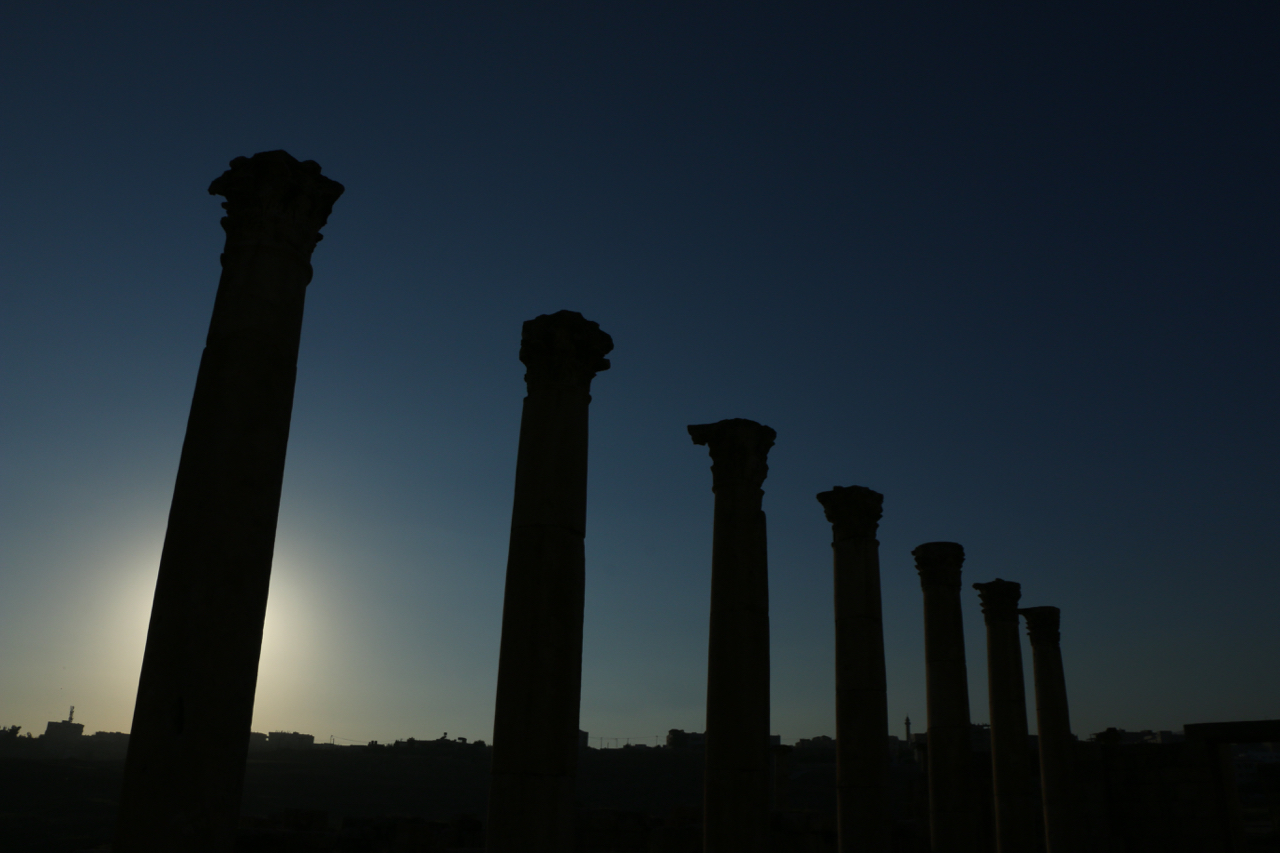
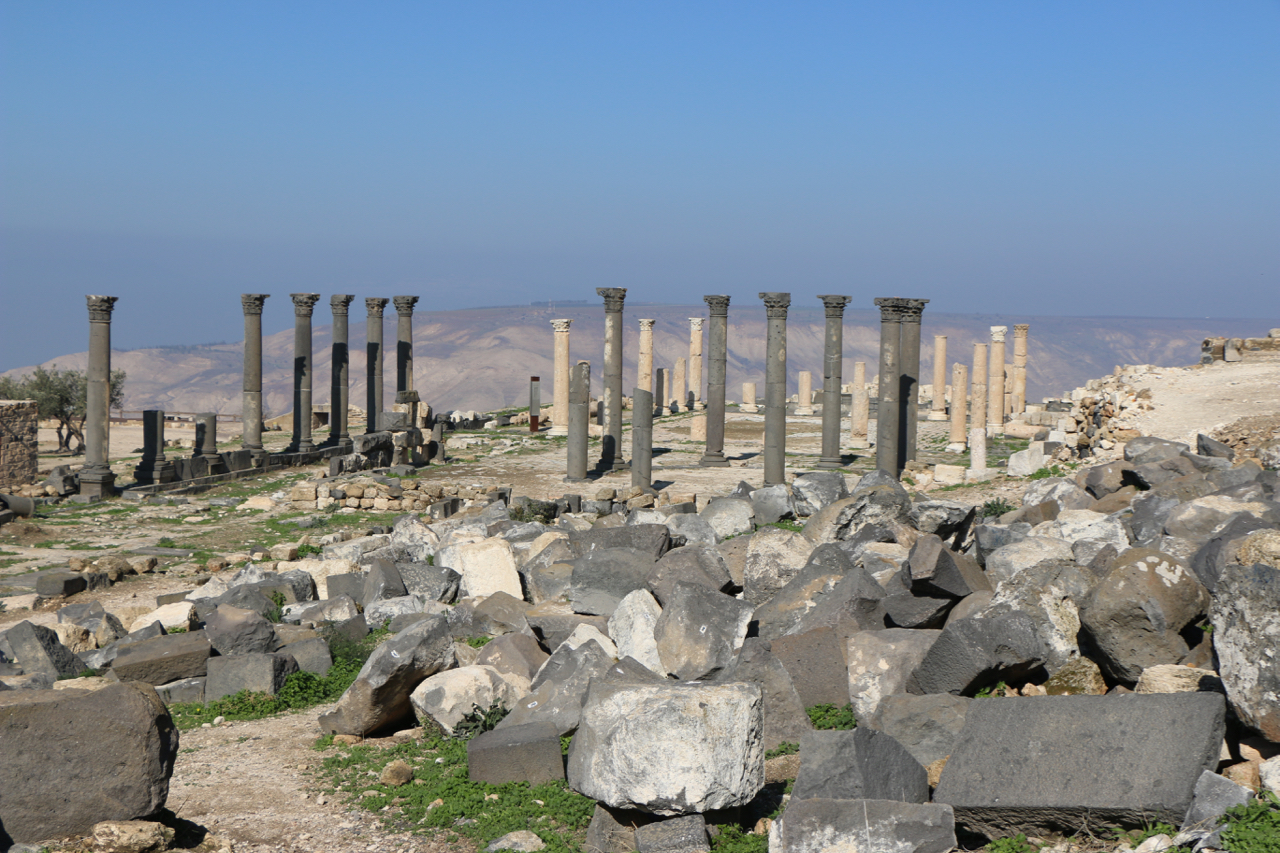
“In Jordan I visited the city of Amman, and then went up to Umm Qais to see the Roman ruins right at the intersection of Golan Heights, Syria, and Jordan. Then I went to Jerash to see other ruins. I took a public bus down to Petra and hiked all around- get the two day pass, it’s worth it. I went very early in the morning and there were no other tourists yet. I met a Swedish guy in the hostel back in Amman so after taking the public bus to Petra, he and I wound up sharing a taxi on the way back to the capital so we could see the Dead Sea. Jordan was great- the food, the beer, the people. A little chilly in the wintertime but not freezing like up in Europe. Definitely worth a visit”.

Did you go to Lebanon just because Deah has already been?

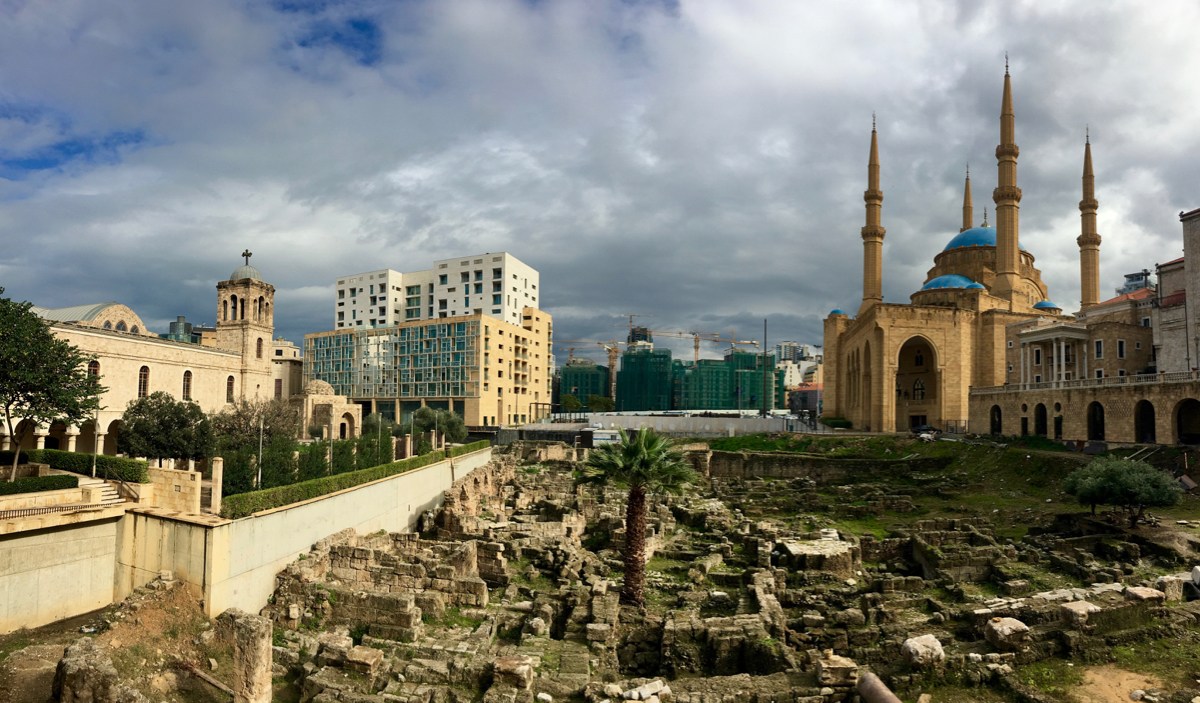
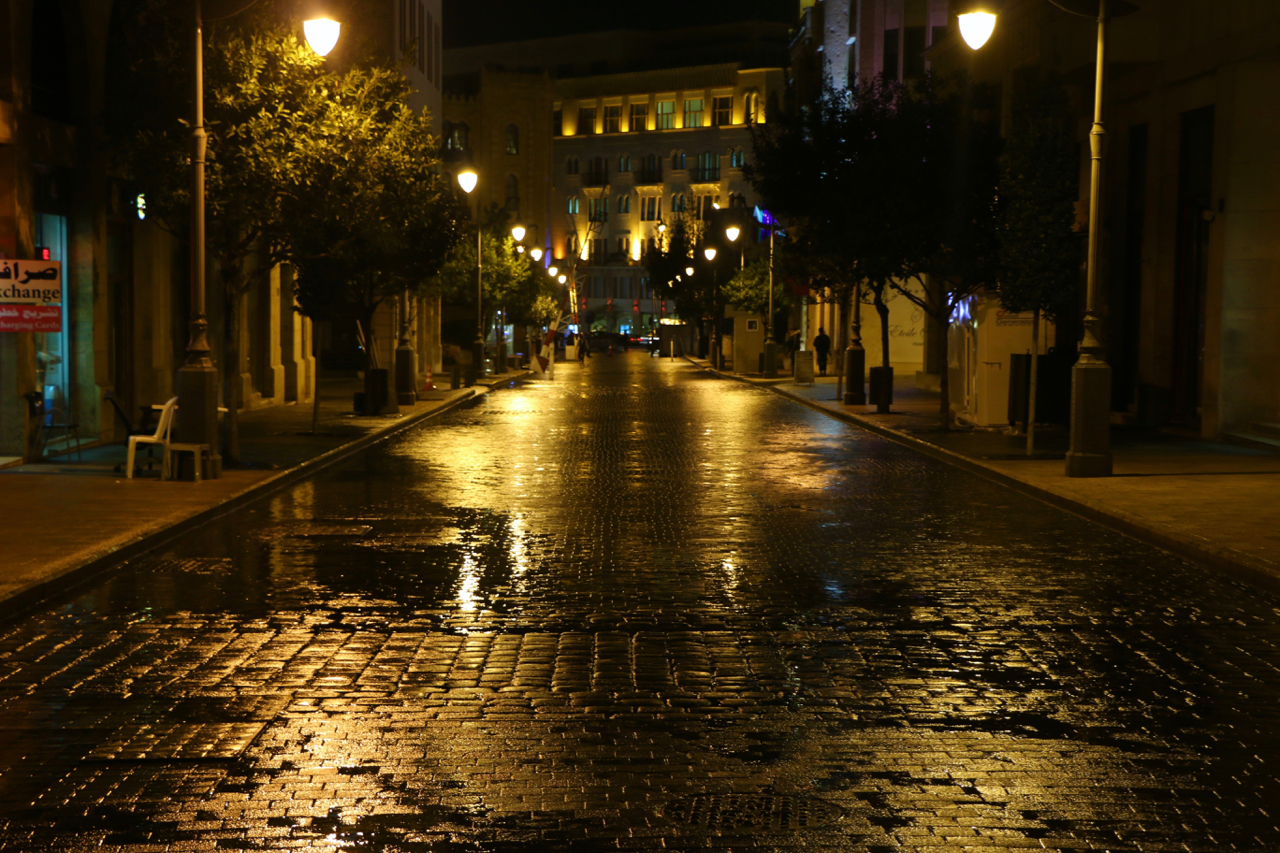
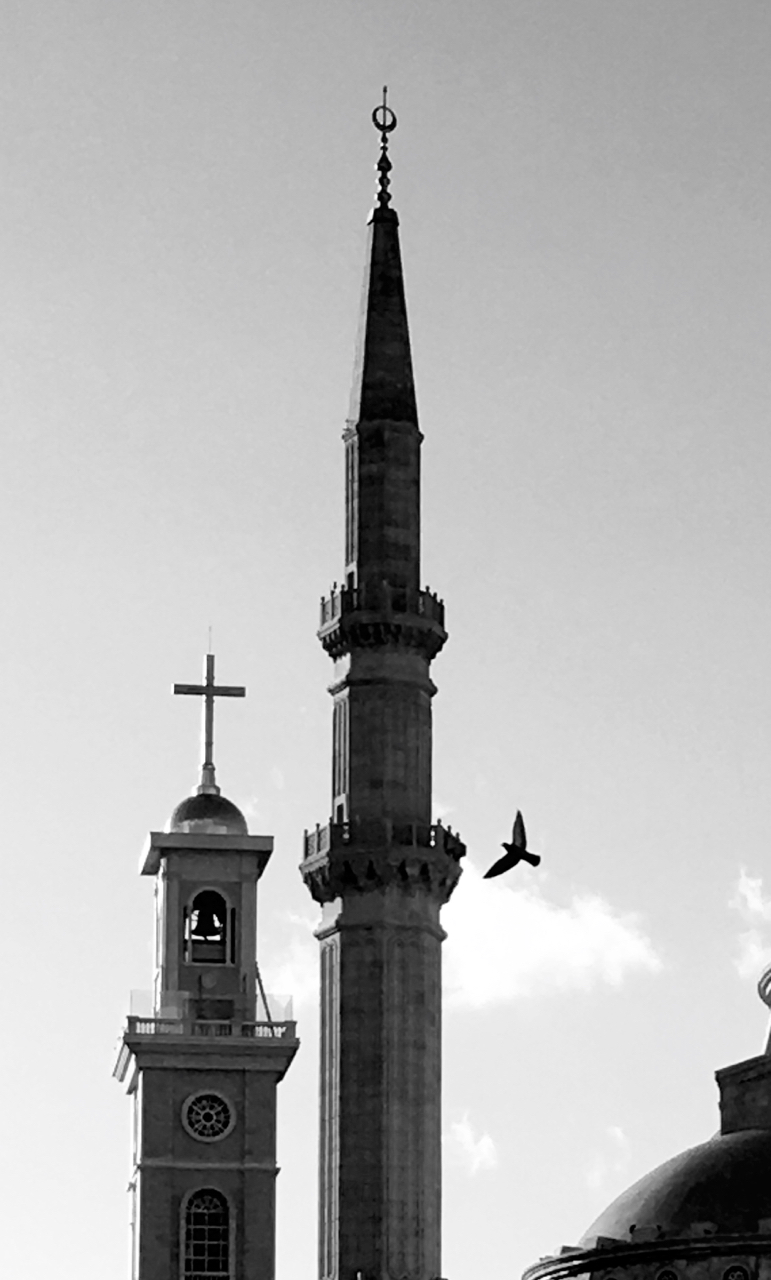
“(Yes). I spent all my nights in Beirut and used it as a base- I did a winery tour in Bekaa Valley where we visited three wineries, and saw the Roman ruins at Baalbek- the local microbus system is easy once you figure that out. Byblos is just a short hop up from Beirut and it’s cool to see the Phoenician ruins and crusader castles, as well as where the alphabet began. Also north of Beirut is Tripoli, kind of like a border town, so close to Syria. They have some crusader castles up there too. South of Beirut there’s Tyre and Sidon, and you can see where soap was originally made. There’s two UNESCO sites down in Tyre- it’s easy to take public buses from Beirut down to the sites. In Beirut itself it’s fun to wander through the various neighborhoods- the walking tour was really nice, and you can visit the big mosque. I stayed at Saifi Urban Gardens hostel, which also has a bar and a language institute, so it’s a nice mix of locals and tourists, and of course great beer.”

What do we need to know about Cyprus?

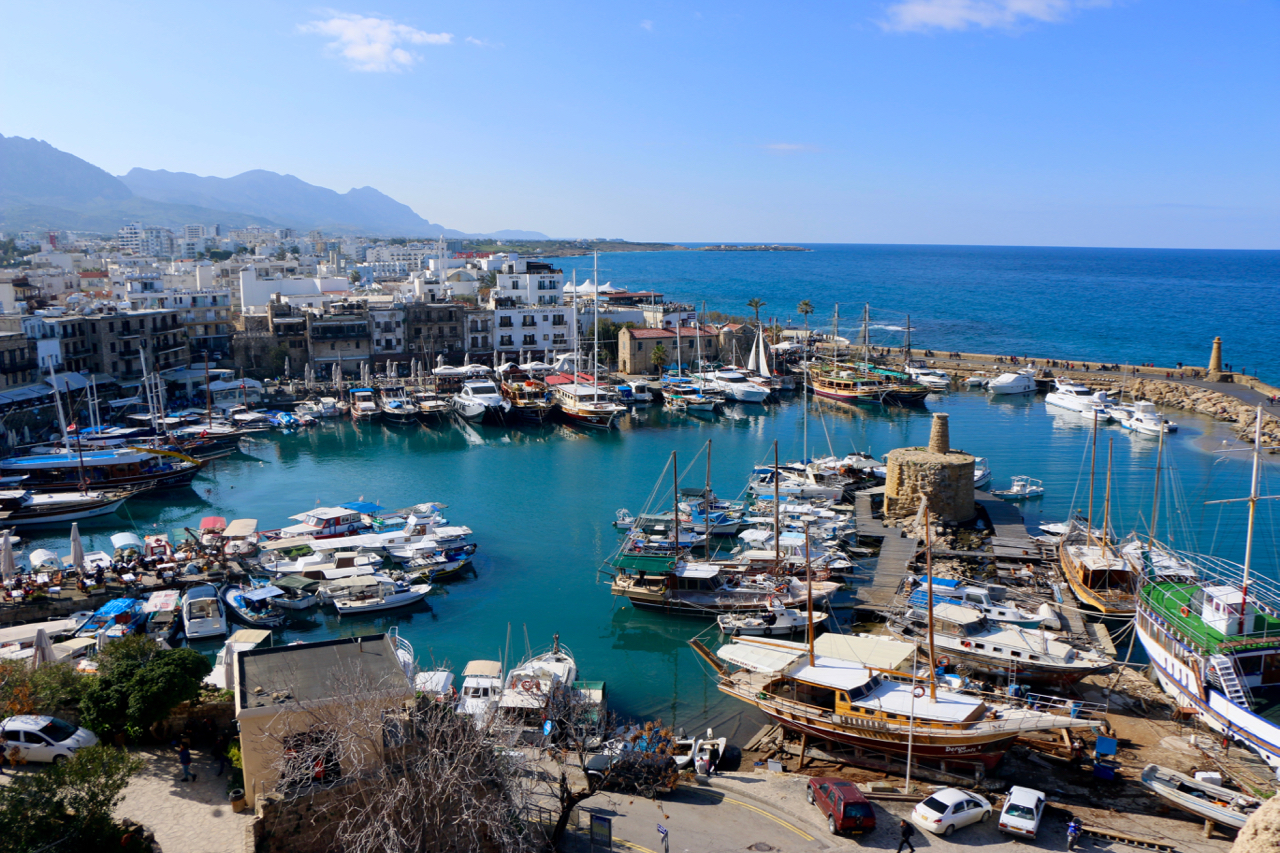
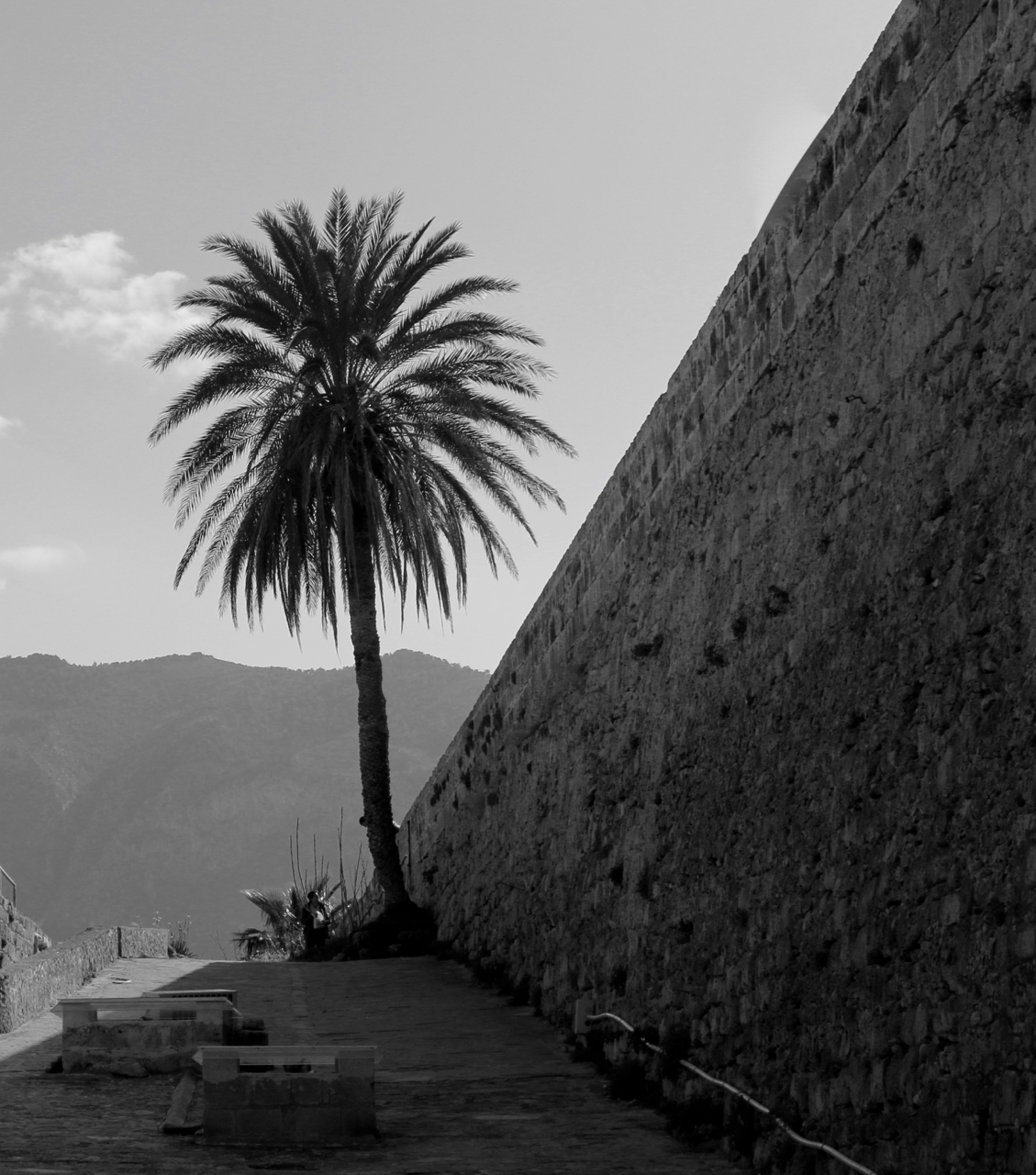
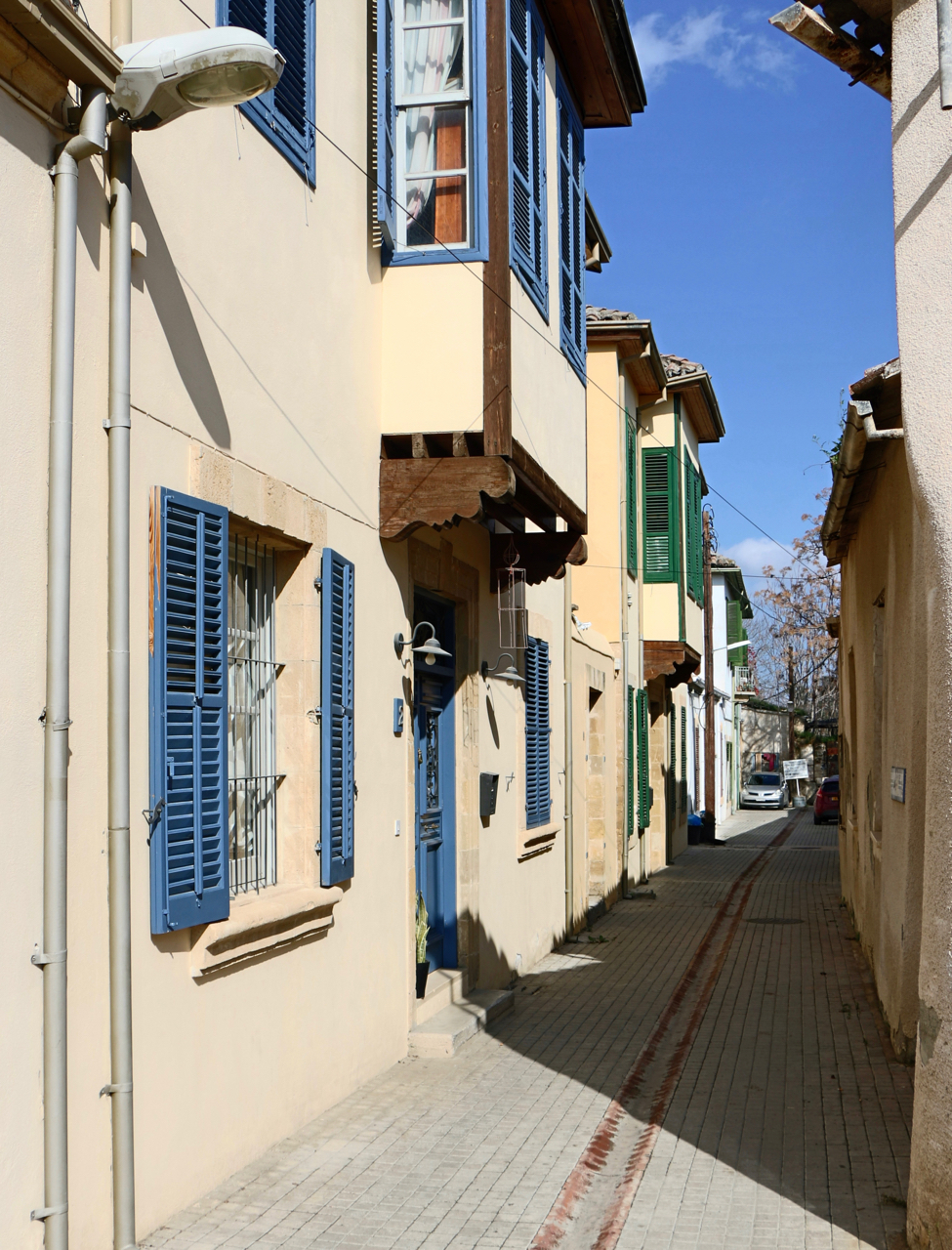
“From Beirut I flew Cobalt Air into Larnaca, which felt like an off-season beach town. I wanted to get to Nicosia, so I took a public bus to get there. Nicosia is a nice walled city, but it’s split in half with a UN-guarded line between the Greek southern part and the Turkish northern part. There’s no problem getting back and forth, as long as you enter Cyprus from the south (the southerners consider it illegal to enter the northern part first). The two sides of the island have a different vibe- Greek food versus Turkish food, lira versus euro, Keo beer versus Eres. While on the Turkish side I took a bus over to Girne, which has a big castle that was variously controlled by all the different empires over time. It has a nice little harbor and locals there spending a day at the coast. I also visited Limassol, which felt like a beach town with a small Byzantine crusader castle.”

From Cyprus, Chris flew Aegean Airlines to Frankfurt, and then Wow via Iceland to Washington DC, taking advantage of their $99 one-way fares. Overall, he says, the hardest part of the trip was the variable weather with lots of rain, but still a fun, off-season foray into an area he’d always wanted to visit.

A Day in DC: Embassy Row, the National Cathedral and Georgetown

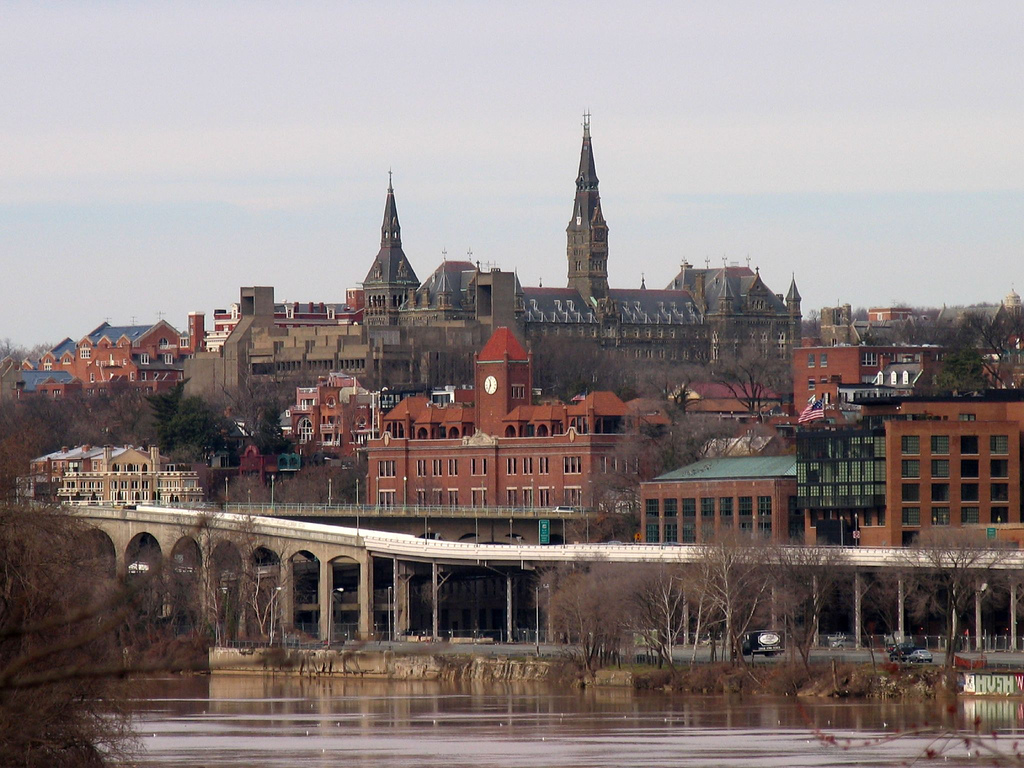
washington dc georgetown

My friend Kelly came into town, and on one of the days I took her to see an area of DC I hadn’t spent enough time in: the northern part, which features Embassy Row, the National Cathedral, and Georgetown.

Embassy Row

Since we were in a car, it was easy enough for us to just slowly drive around the Kalorama neighborhood, near Massachusetts Avenue and Sheridan Circle. You could also take a Zip car- I noticed quite a few Zip cars in the area, and there were Capital Bike docks nearby as well, so a bike ride in nice weather would be a lovely way to see the embassies. DC has more than 175 foreign embassies, residences, and diplomatic missions, so don’t expect to see them all. But focusing on Massachusetts Avenue and nearby streets should let you see close to 30 of them, including Philippines, Portugal, Togo, Luxembourg, Ireland, Cyprus, Latvia, and Japan. My favorite is the imposing Kazakhstan embassy. In fact, here’s a handy map.

Continue reading “A Day in DC: Embassy Row, the National Cathedral and Georgetown” →